In the latest edition of Beet The System, FIAN's annual magazine, our colleague Jasper analyses the medicalisation of hunger.
Hunger is increasing
Hunger is on the rise worldwide, according to a report by the Food and Agriculture Organisation of the United Nations. In 2018, the number of undernourished people in the world increased and is estimated at 821 million. This means that nearly one in nine people suffer from chronic hunger. The coronavirus pandemic will most likely reinforce this trend, not only in terms of chronic hunger but also in terms of acute cases of undernourishment. According to some experts, the number of people suffering from acute undernourishment will double by the end of 2020 to reach 265 million.
Ready-to-use therapeutic food
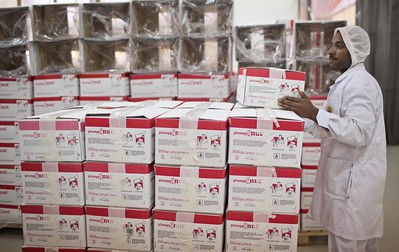
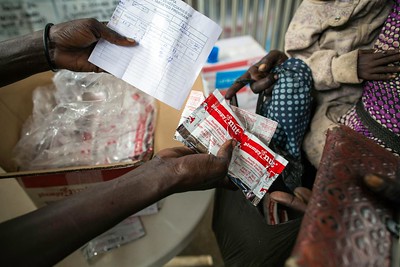
To curb this worrying trend, UNICEF and the World Food Programme launched a plan in early April to tackle child malnutrition. An important part of this plan is the use of ready-to-use therapeutic food (RUTF), such as Plumpy'nut. These are energy-rich food supplements with added minerals and vitamins recommended for severe and acute forms of hunger. They are generally recommended for a period of 6 to 8 weeks and are really useful for getting through the acute phase of malnutrition in humanitarian emergencies, such as during conflict or prolonged drought.
Miracle cure or controversial product?
ATPEs are nevertheless increasingly being used to combat other forms of hunger. Under pressure from large food industries, international organisations such as UNICEF and the World Food Programme are also using these products to treat chronic forms of malnutrition. By presenting their complementary nutrients as a quick fix for malnutrition around the world, multinationals such as Unilever and Danone hope to conquer the huge market of 821 million chronically undernourished people. They reduce hunger to a lack of vitamins and minerals and deny the complex socio-economic and political roots of hunger.
An unsustainable solution
The tendency to medicalise hunger and focus on ready-made solutions offers absolutely no sustainable solution to malnutrition around the world. Products such as Plumpy'nut are useful in extreme emergency situations but are by no means a miracle cure for eradicating chronic hunger in the world. 37 euros per month is not much to save a child from death, but it is a lot to push millions of people into a relationship of dependency that structurally changes nothing. Instead, we must ensure access to existing food reserves and pursue policies that address the causes of malnutrition. The right to food and social justice must be at the heart of this approach.
Read more
Want to know more? Read the full article on the website of FIAN.