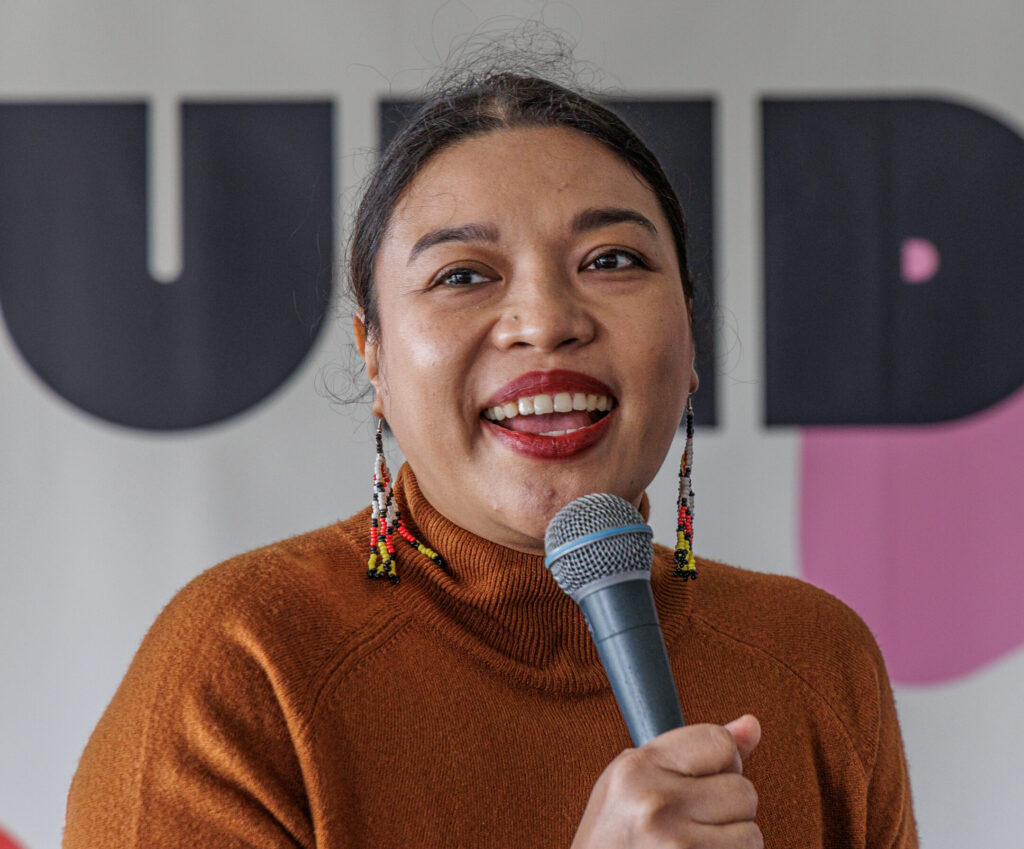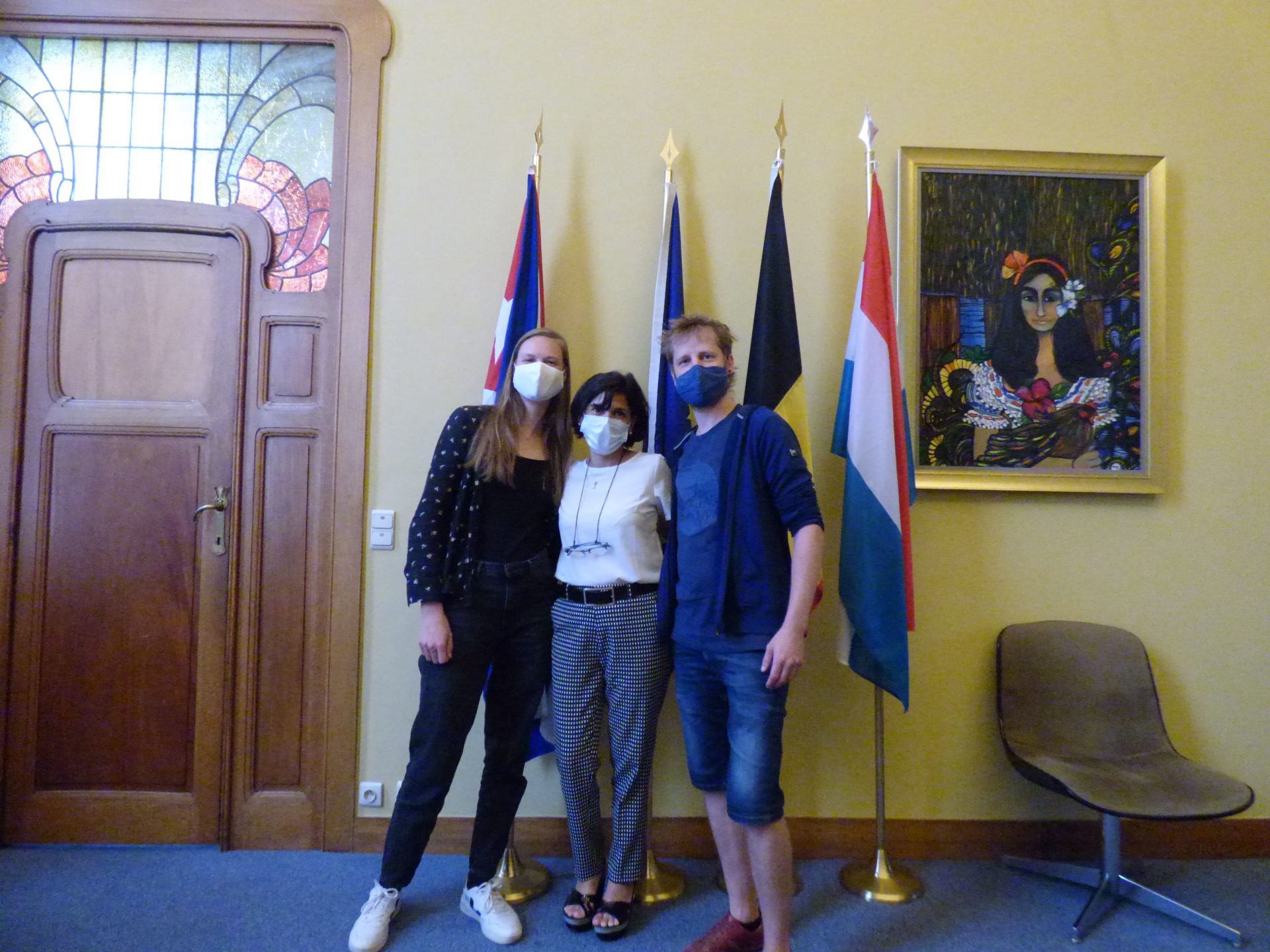
Despite the illegal US blockade, Cuba has already managed to produce two vaccines. We had the honour of meeting Cuban immunologist Tania Crombet Ramos. She answered our questions about the vaccination campaign in Cuba.
Can you briefly introduce yourself and describe your role in Cuba's fight against the coronavirus?
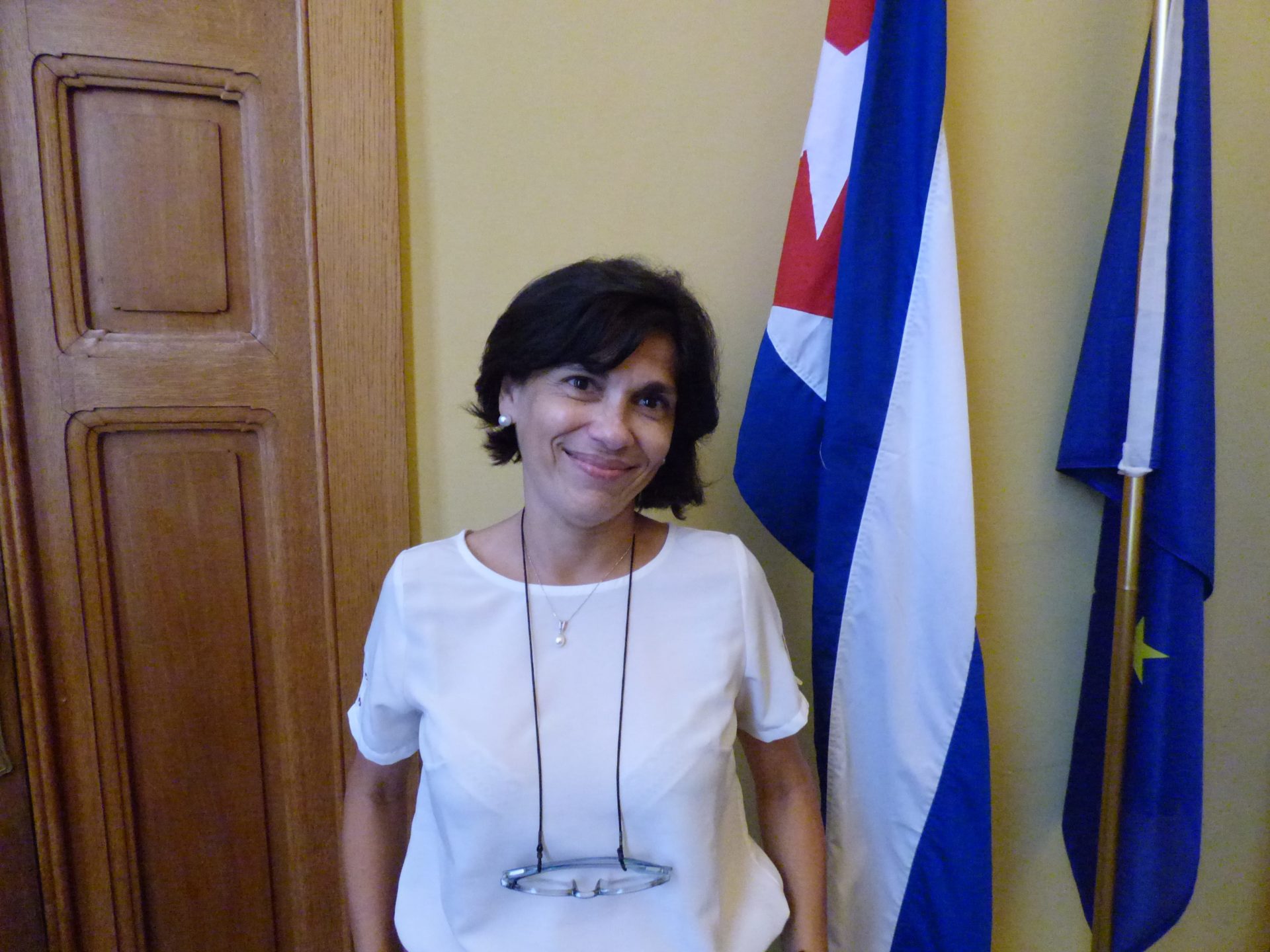
«As an immunologist, I have devoted a large part of my time to cancer research. At the moment, however, I'm a member of the Cuban National Consultative Council. With its sixty members, we discuss the coronavirus situation in Cuba twice a week.
At the institute I work for, we are currently developing remedies and one of the two Cuban vaccines. The institute is also used as a test centre. Of course, my other work doesn't stop there. Cancer did not disappear with the emergence of the coronavirus. We are also developing a new drug against Alzheimer's, a disease that has greatly increased as a result of forced isolation during confinement».»
What is the situation in Cuba at the moment with regard to the coronavirus?
«At the moment, Cuba is reaching a peak in the number of contaminations due to the Delta variant. We have between 5,000 and 10,000 new infections every day. This is obviously a challenge. However, we have a very low mortality rate: almost all patients with COVID-19 recover in Cuba. The mortality rate in relation to the population is four times lower than in the United States. This is because we attach great importance to testing. Thanks to them, we can detect cases very quickly. In Cuba, there are 28 laboratories where PCR tests are carried out. We are also developing Interferon, a drug that weakens the virus.»
How is the vaccination campaign going in Cuba?
«Initially, we had five potential vaccines. Two of them are currently being used in Cuba and a few other countries: Abdala and Soberano. Our aim is to vaccinate 90% of the population by 15 November. This will enable tourism, a major source of income for Cuba, to resume. Cuba is one of the few countries where children are also vaccinated against the coronavirus. The Cuban vaccine could be used worldwide, even if this is impossible for the time being. It even appears to be highly effective as a booster in combination with another vaccine such as Pfizer or Moderna.
Can you believe I wasn't allowed into the European Parliament yesterday with my vaccination certificate? Even though I probably know more about the coronavirus and vaccines than anyone else inside.»
What impact has the blockade had on the testing and vaccination campaign?
«Obviously, we're going to have to deal with shortages. Our economy is having to cope with a lot at the moment. Not least because tourism has fallen and we are currently spending 60 to 70% of our GDP on public health. This was one of the factors that triggered the demonstrations in Cuba on 11 July. However, they were largely amplified by the international media and encouraged by the United States.»
How is Cuba dealing with these shortages?
«Over the last 60 years, we've learned just how far creativity and cooperation can take us! That's how we became pioneers in vaccine development. Preventive and public healthcare, close to the people, has always been at the heart of our policy. We sometimes joke that we live like a poor country but die like a rich one: the main causes of death in Cuba are the same as in rich countries. When the coronavirus appeared, we developed our own ventilation equipment because we couldn't import it from abroad.
The health of the population always comes first in Cuba. That's why we have a very strong primary healthcare system. Doctors maintain close contact with their patients. Cuba has 9 doctors for every 1,000 inhabitants. This is one of the highest ratios in the world. Cuba is also very strong in scientific research, enabling it to develop its own medicines. Of course, sometimes we have no choice but to import certain things, and we do this as far as possible. It's very difficult because it's forbidden to import from the USA or from a company based in the USA. On top of that, there are a number of banks that don't allow any financial transactions to or from Cuba, so recently I haven't even been able to publish my medical research.»
What can we learn from Cuba's healthcare system?
«That the human being must be at the centre of health policy. Everyone must have free access to healthcare. We must be very precise and pay close attention to our patients. And we must work together. Research is not private property; we need to disseminate it as widely as possible. It makes no sense for there to be barriers to access to certain technologies and research, as is currently the case with corona vaccines. Draw up a plan, lift the patents and don't wait for the next wave or the next pandemic!»
Sign the European Citizens' Initiative No Profit on Pandemics and call on the European Commission to lift patents on coronavirus vaccines.
Want to get actively involved for Cuba? Take a look at Cubanismo.be.
This interview was conducted on 9 September. Current figures are available here.