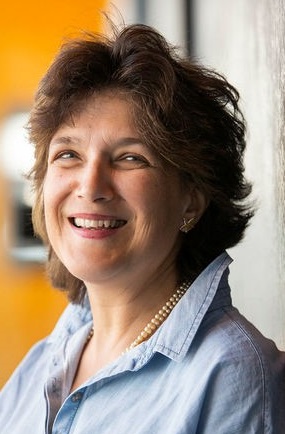
Allyson Pollock is an activist, doctor and public health researcher. We had the chance to meet her at the previous edition of ManiFiesta. How did Allyson become an activist? She doesn't remember. « As a doctor in public hospitals, you are confronted with so many inequalities that you have no other choice.« .
Viva Health: Hello Allyson, at the end of 2022 and during the first few months of 2023, the United Kingdom experienced a historic wave of strikes and protests by healthcare workers. Why did they take to the streets? And did they get what they wanted?
There is no victory to celebrate following these strikes. Healthcare workers are on strike because their wages have not kept pace with inflation, ultimately reducing their purchasing power. In addition, working conditions are very poor. More cheap staff are being recruited than experienced staff. And then the workload is constantly changing, so wage increases are never long-term.
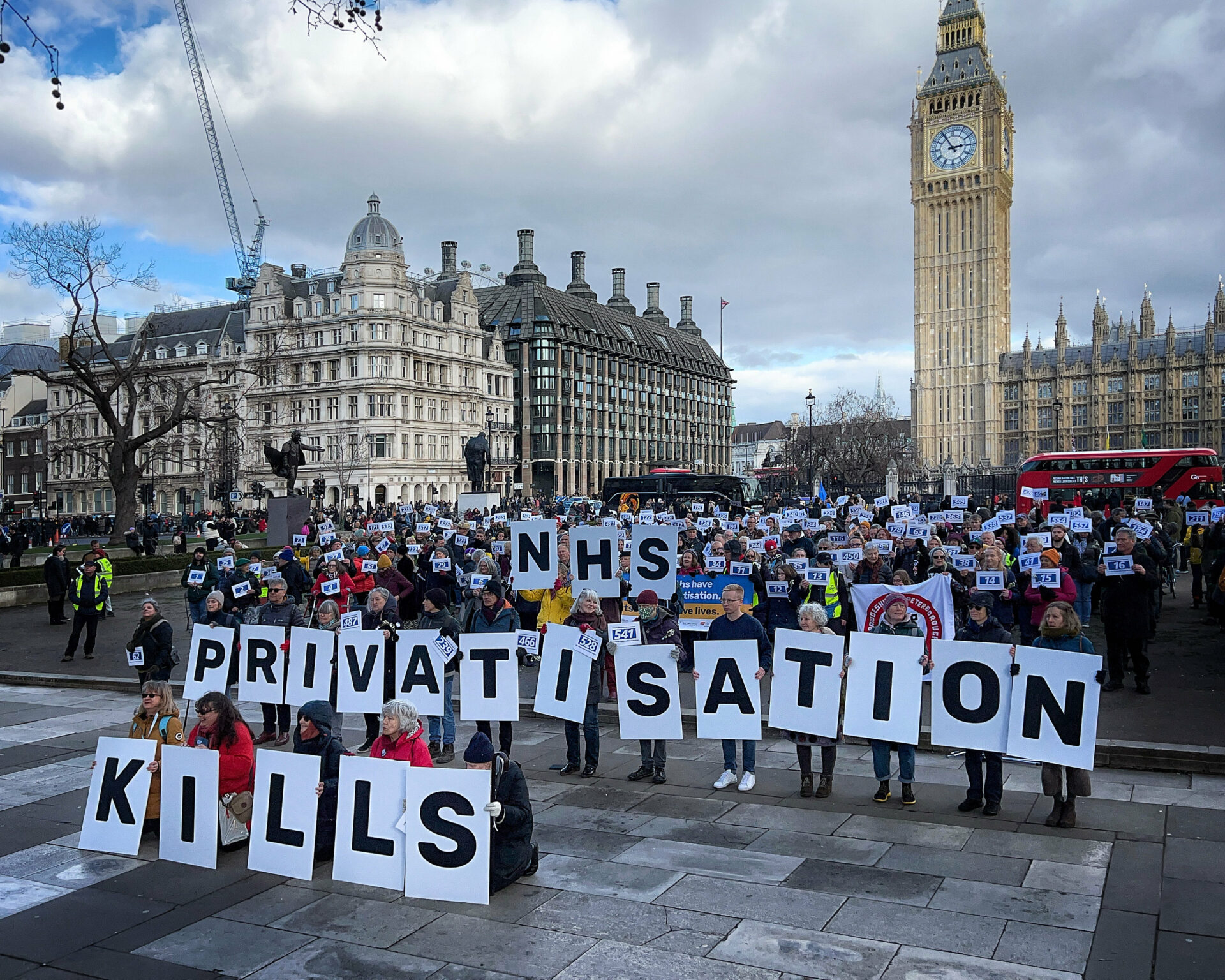
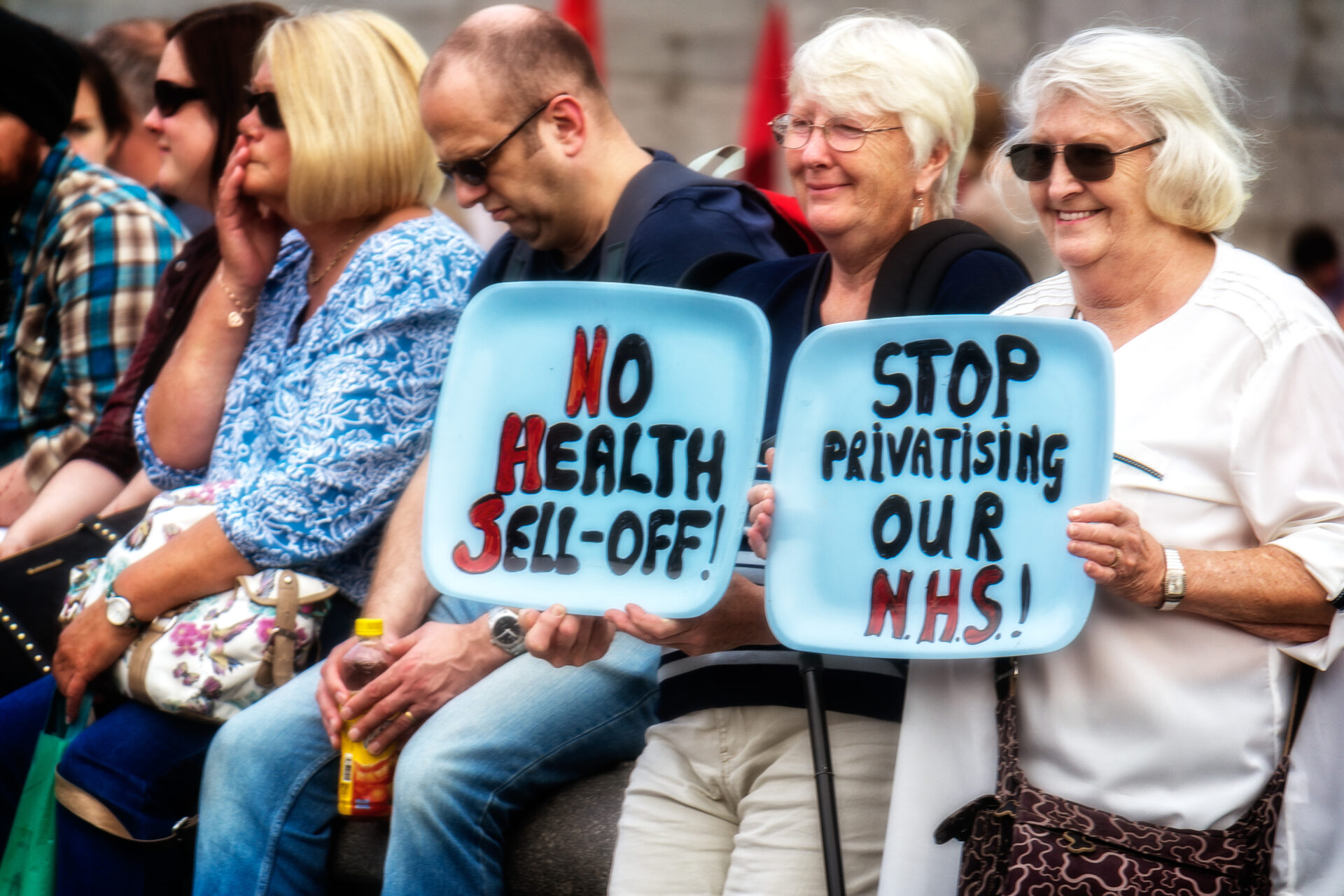
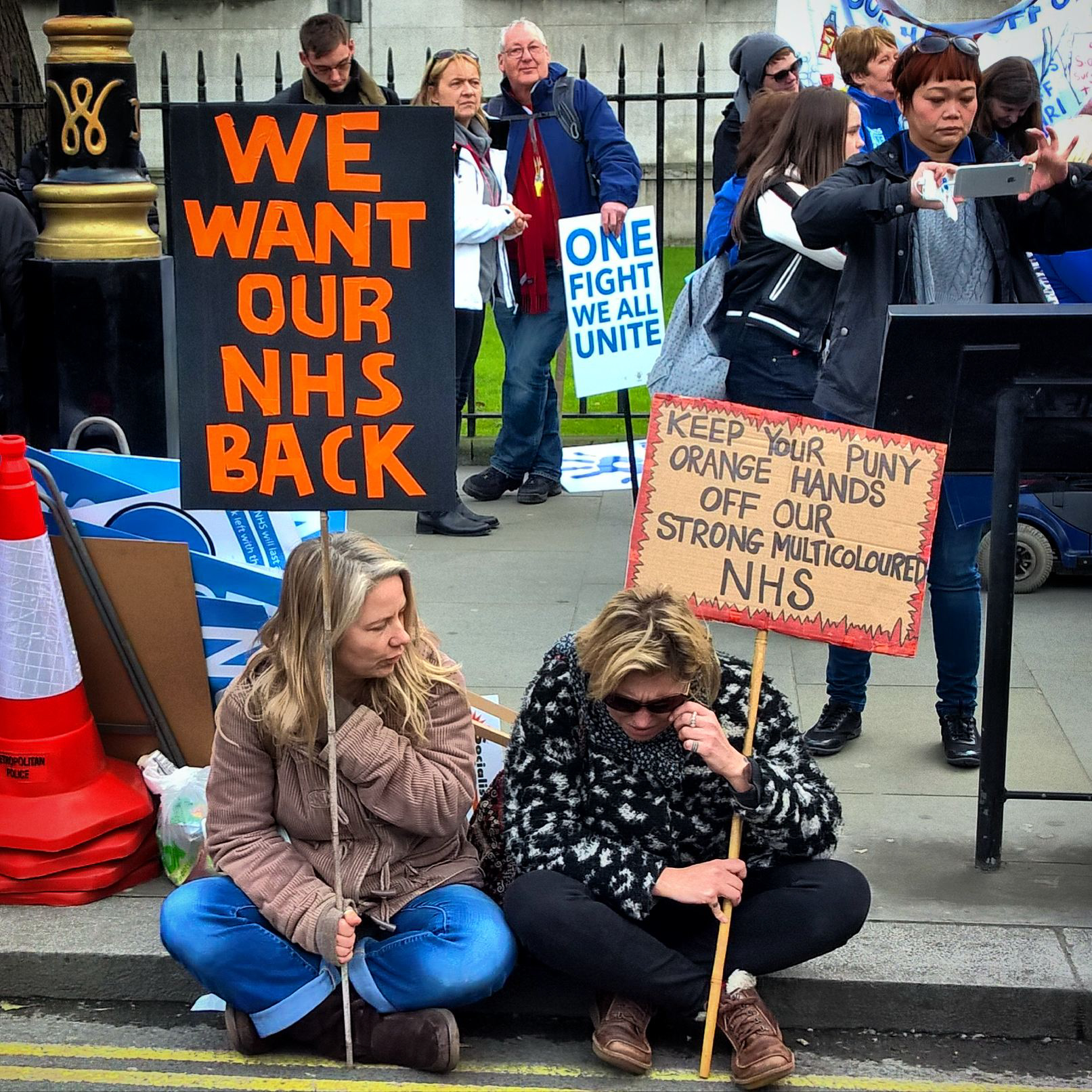
Our national health service, the NHS, is gradually being dismantled and privatised... And yet no: the government is not really taking any real measures to address this collapse of our healthcare system.
| What is the NHS? NHS stands for National Health Service (National Health Service). These are government-funded medical services that anyone living in the United Kingdom can use without having to pay the full cost. Most of these services are funded by taxes. |
The privatisation of healthcare is a global issue. To what extent has the National Health Service (NHS) fallen into commercial hands?
It is difficult to quantify this phenomenon because the government does not publish data on privatisation. However, we know that tens of billions of pounds worth of contracts are awarded to the private sector to provide services that were once provided by the NHS. Today, half of all knee, hip and cataract operations are carried out under contract to the NHS.
This system is very similar to that in the United States: the government pays but does not provide the services. An increasing proportion of the NHS is being outsourced and privatised. The NHS's own responsibility for care is therefore becoming increasingly limited.
How does the privatisation and commercialisation of healthcare affect healthcare workers?
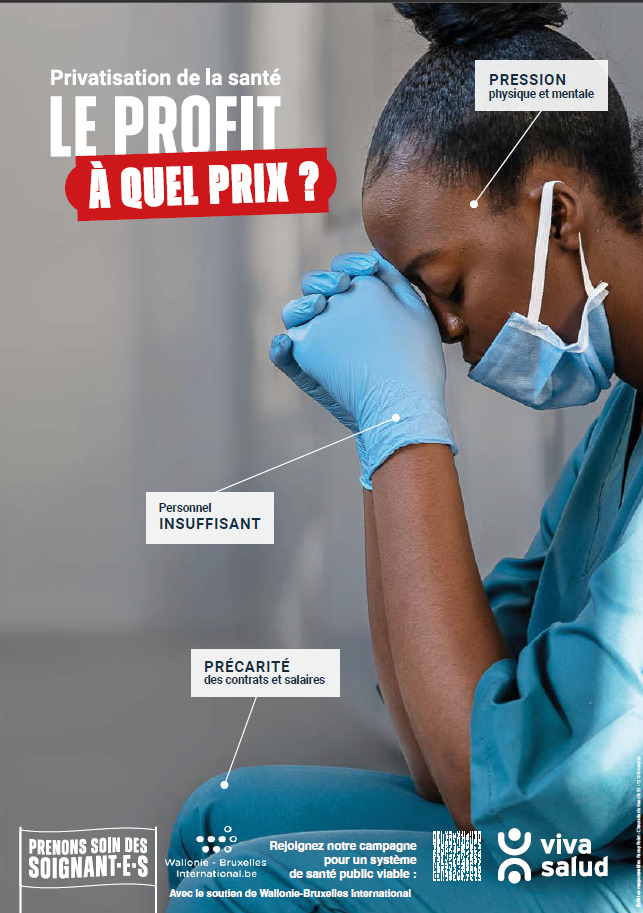
As soon as privatisation begins, the various health services become fragmented and disintegrate. More and more money is also being taken out of the system to benefit shareholders, investors and market costs, which means that staff receive much less money. Whereas in the past 80 or 90 per cent of the budget was spent on staff, today that figure has fallen to 50 or 60 per cent. Yet we all know that staff are essential to the proper functioning of healthcare.
« As soon as privatisation begins, the various health services become fragmented and disintegrate. More and more money is also being taken out of the system, to the benefit of shareholders and investors, which means that staff are receiving much less money.
Allyson Pollock, activist, public health researcher and doctor
Many EU countries are facing a shortage of healthcare workers. They are now trying to recruit people from around the world to fill the gaps. What do you think about this?
This is a mistake. Has Belgium learned nothing from what it did in the Congo? In the past, it was minerals; today, it is people. The low- and middle-income countries where these people are recruited spend a lot of money training staff, only to have them stolen away. Almost all European countries do the same, instead of investing in building up our services and training our doctors.. The private market is not interested in providing skilled labour or meeting the needs of healthcare staff and patients. A public healthcare system, however, provides all of this very well.
How can we resolve the global crisis of healthcare worker shortages?
We need to start at the local level. We need to start saying no. We need to start building the capacity of our own workforce and investing in education. We also need to invest in the system, and not just financially. Sometimes money is invested in the wrong place and investments need to be reviewed. In Belgium, as in many other countries, we see over-treatment and over-diagnosis, while on the other hand, there are people who do not have access to medicines or treatments.
«Leaders insist that privatisation will solve everything. It will take a long process to convince them and the public that this is not the case.».
Allyson Pollock, activist, public health researcher and doctor
It is sometimes difficult to remain optimistic. Where do you find hope?
From you. From your generation, the younger generation. My generation was the one that had everything. We had free education, we had free healthcare, we had everything, and we became selfish. Our hope lies with your generation, the one that suffers the most. We did not experience the same job and housing insecurity, nor the same inflation. What gives me hope is that your generation is taking to the streets and voicing its concerns. Leaders insist that privatisation will solve everything. It will take a long process to convince them and the public that this is not the case.
- For further information, join our campaign Let's take care of the carers