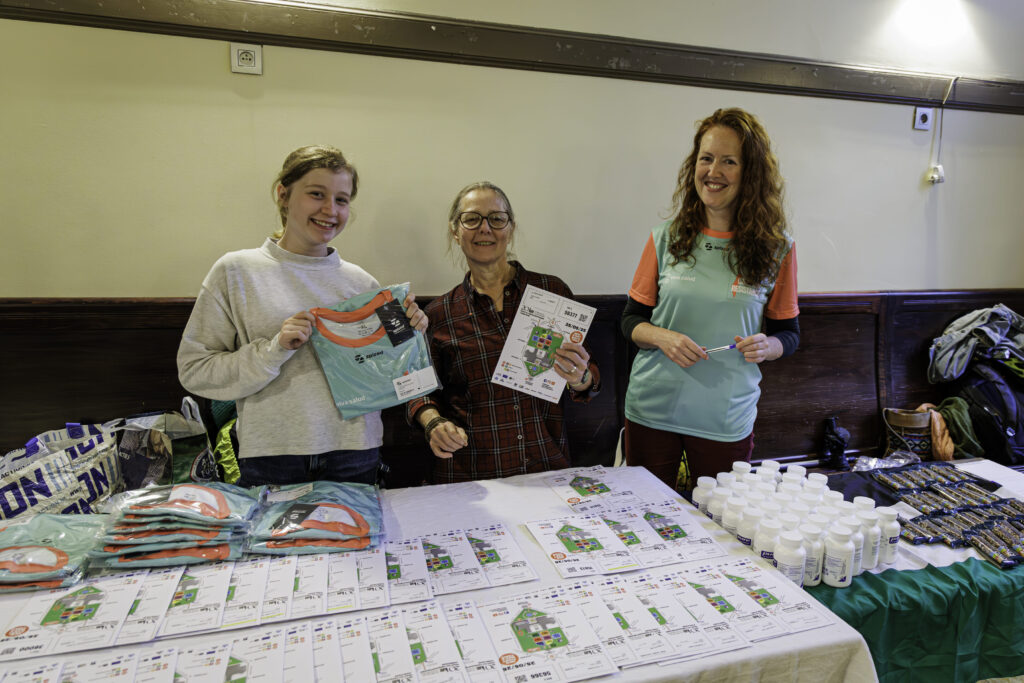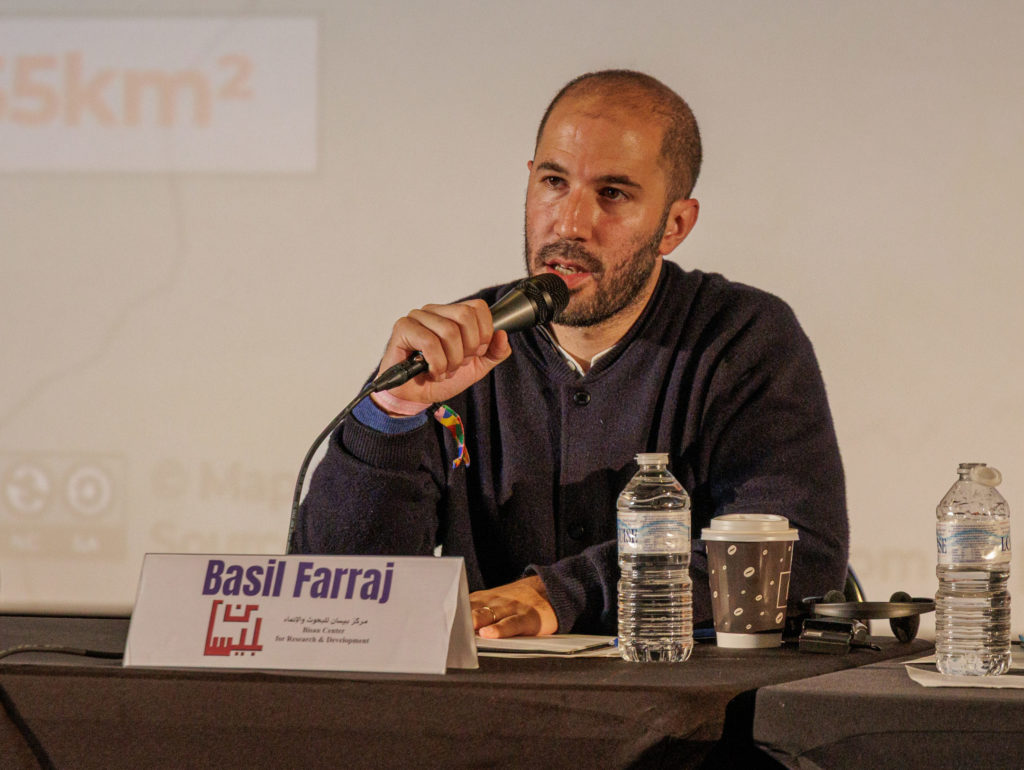
In September 2025, Palestinian academic Basil Farraj visited us. He was one of our international guests at ManiFiesta 2025, where he participated in various debates and discussions. Based in the West Bank, he is a member of the Board of Directors of our Palestinian partner organisation. Bisan Center for Research and Development. We took advantage of his presence to interview him about his area of expertise. : Israeli imprisonment, violence and resistance to continue to exist.
After more than two years of genocide, there is finally a fragile ceasefire in Gaza. However, Israeli violence has not been limited to the Gaza Strip: it has escalated in prisons where, since 7 October 2023, thousands of Palestinians have been systematically abused, tortured and killed without trial.
For Basil Farraj, professor of philosophy and cultural studies at Birzeit University and director of the Ibrahim Abu Lughod Institute for International Studies, The Israeli prison system is not a means of punishing criminals but a fundamental part of the colonial project.
Farraj spoke to us about imprisonment, violence and daily oppression, and all the methods used to make life impossible for Palestinians. He also emphasised the indispensability of international solidarity with Palestine.
A colonial regime built on imprisonment
«Since the beginning of Zionist colonisation, imprisonment has been an instrument of power for Israel., said Farraj. Even under British rule, before 1948, imprisonment was used to break Palestinian resistance. Since the Israeli occupation in 1967, nearly one million Palestinians have been imprisoned. That is one in three men in the occupied territories. No other people in the world has experienced such a high rate of imprisonment.»
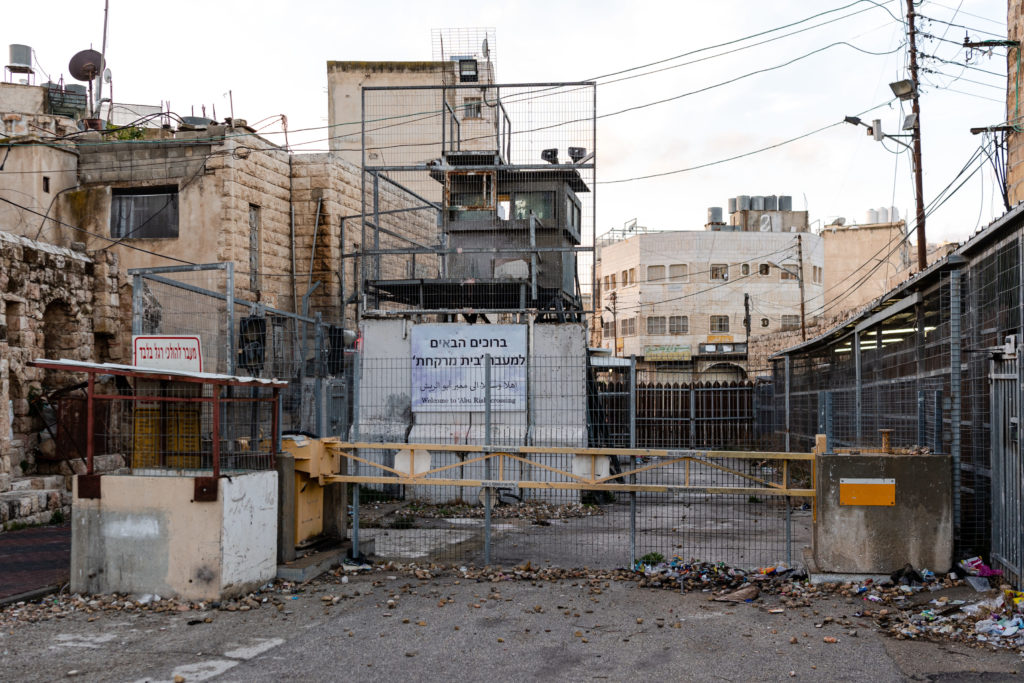
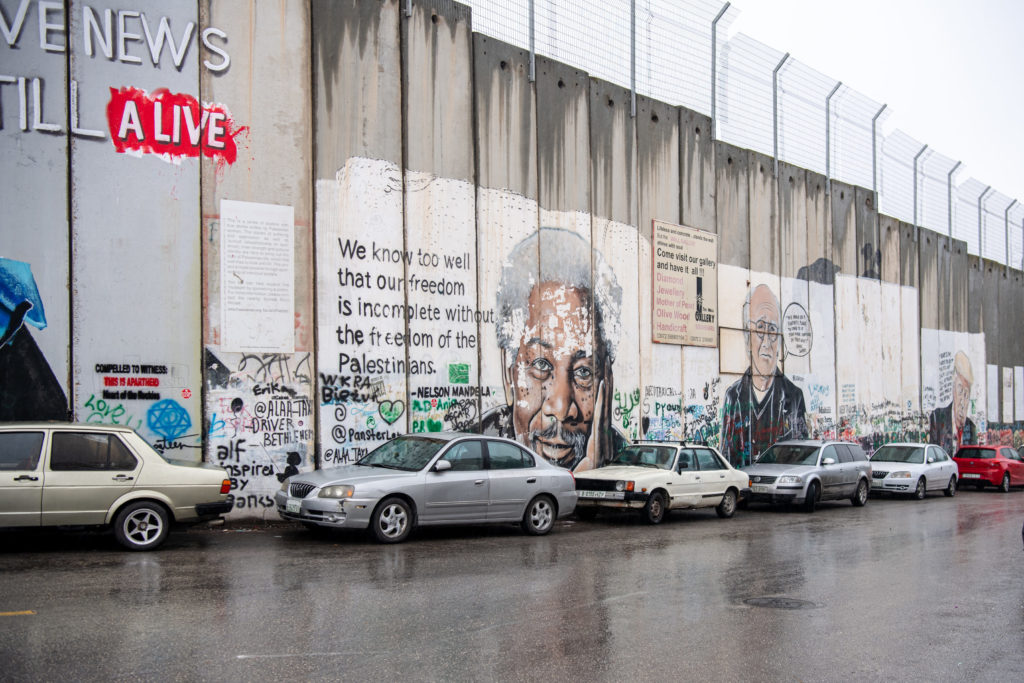
He explains how this tactic of arrests and imprisonment is consistent with Israel's colonial logic. « Prisons are not just buildings with bars. They are an extension of the occupation itself. The entire Palestinian space has been turned into a prison., with walls, checkpoints, permits and surveillance. Prison is a metaphor, but also a material reality.»
Since the Israeli occupation of 1967, nearly one million Palestinians have been imprisoned. It is one in three men in the occupied territories..
Basil Farraj.
«For Israel," says Farraj, Imprisonment is not just about incarcerating bodies. It is about instilling fear, suppressing resistance, and turning the entire Palestinian territory into a prison.«
Since the beginning of the genocide in Gaza, the situation has worsened. « Israel has turned prisons into war zones. The same brutality you see in Gaza is taking place behind closed walls., » said Farraj. « AAt least 77 Palestinians have died in Israeli prisons over the past two years, often as a result of torture, starvation or lack of medical care..«
After the genocide began, Prisoners have lost all their rights: no more visits, no letters, no books, no contact with lawyers.. Even the Israeli Supreme Court ordered prison authorities to give prisoners more food: « a sign of the extreme severity of the conditions, according to Farraj.
Torture, disappearances and humiliation
Farraj tells us about military detention centres, particularly those in the Negev desert. « We have heard testimonies from prisoners who were left blindfolded and tied up for days, beaten, mutilated, and sexually assaulted. Some died due to negligence, their bodies are still held in secret cemeteries or cold storage rooms. »One after another, these are grotesque human rights violations that are well documented, but for which Israel must still be held accountable.
He emphasises that Israel systematically denies lawyers and the Red Cross access to these detention facilities. « There is a deliberate policy of disappearance. Families often do not know for months whether their loved ones are still alive.«
« Violence is the foundation upon which this regime is built. The objective is the erasure of Palestinian existence, physically, socially and mentally.«
Basil Farraj.
According to Farraj, none of this is unusual and is at the heart of the colonial system. « Violence is the foundation upon which this regime is built. The objective is the erasure of Palestinian existence, physically, socially and mentally. »He refers to the Palestinian writer and prisoner. Walid Daqqa, who died in Israeli custody.« Daqqa wrote that Israel is trying to use torture to ‘reprogram’ Palestinian consciousness, to make us believe that resistance is futile. This is exactly what is happening today: an attempt to break the Palestinian psyche.«
Resistance, solidarity and hope
Despite everything, resistance to the Israeli occupation persists. « In prisons, you see small acts of courage,» says Farraj. «A song, a shared word, handmade objects such as instruments. These initiatives are powerful moments of freedom in an environment that seeks to destroy it.«
He also sees hope outside Palestine. « The protests in Belgium and Europe are giving us strength,» he said. «People taking to the streets, calls for boycotts and sanctions, it's having an impact. It's breaking the normalisation of Israel's crimes.«
He stresses that it is still very important today to sever ties with Israel, boycott Israeli products and put pressure on governments to impose sanctions. « Israel must be treated as it is: a pariah state committing war crimes in real time.«
«Existence is resistance.»
At the end of our discussion, Farraj is silent for a moment. « Israel is trying to reprogram Palestinian consciousness. They want us to believe that resistance is futile, that the monster cannot be defeated. But the fact that we are still alive, that we speak and share our stories, that is resistance. Existence is resistance.. »