The right to health in the Congo
The Democratic Republic of Congo is rich in natural resources, yet the Congolese population lives in extreme poverty, which has a direct impact on their living conditions and health. 75% of Congo's inhabitants live below the poverty line and 28 million Congolese face acute food insecurity, including 4.75 million children under the age of 5 who suffer or are at risk of suffering from acute malnutrition.
But how can we explain that one of the richest countries in the world finds itself in this situation?
The catastrophic situation in eastern DR Congo
For nearly thirty years, a war driven by an insatiable thirst for minerals and profits has been wreaking havoc in eastern DR Congo. But since January 2025, the situation has deteriorated at an alarming rate. Rebel groups occupy most of the territories in the east, where human rights are violated on a daily basis.
Health workers who have the courage to denounce human rights violations are targeted by rebels. Despite threats and assassinations, local organisations continue to defend the right to health in a context of extreme violence, permanent insecurity and instability. But they remain present, organising, providing care, training and raising awareness among communities.
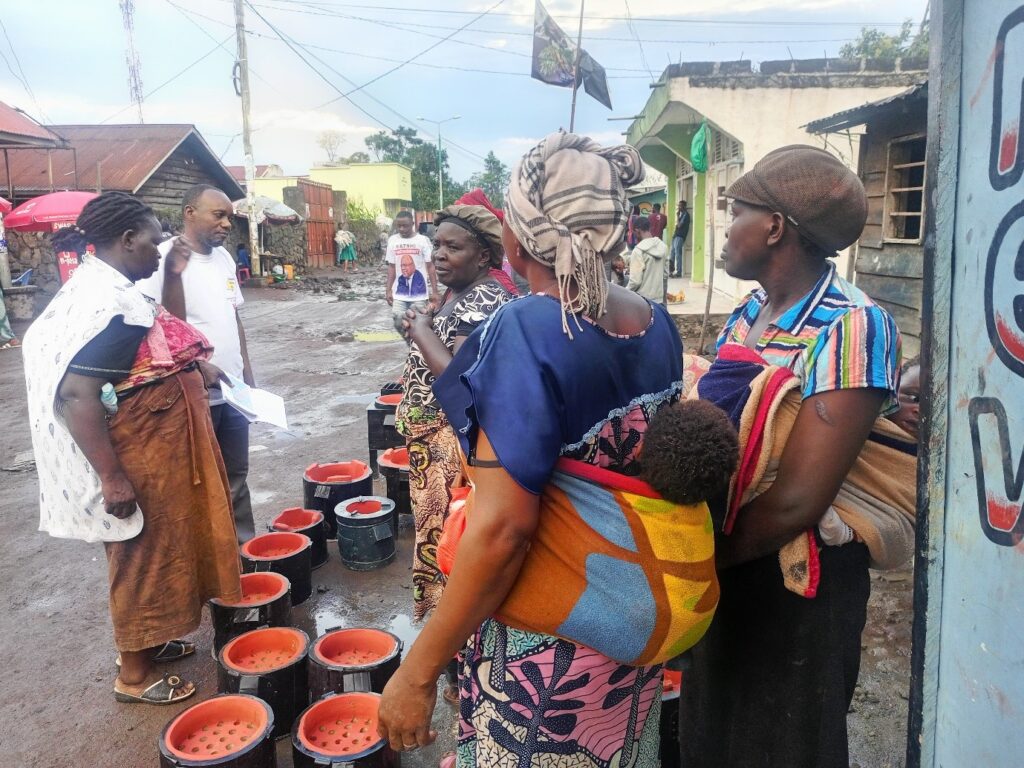
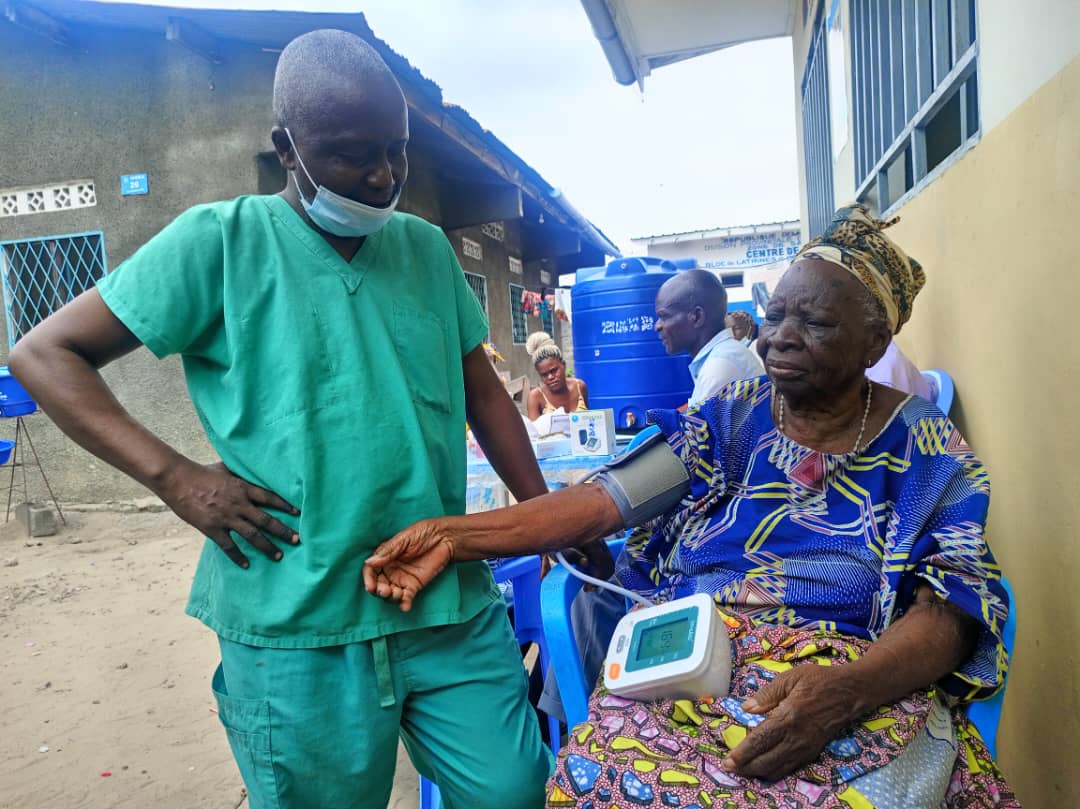
In other regions of the DR Congo that are not affected by war, the right to health remains a challenge. Access to clean water and healthcare is very limited. Rural areas and working-class neighbourhoods in cities are particularly neglected by the government. Heavy rains often cause erosion of roads, leading to the formation of puddles where mosquitoes breed and spread deadly diseases such as malaria.
It is important to take concrete action by supporting local organisations that fight every day on the ground to protect and support the Congolese people. Support local initiatives.
Our Congolese partners
Étoile du Sud (EDS) is a Congolese NGO founded in 2004 that defends the right to health. The NGO aims to raise awareness among people living in low-income neighbourhoods about their right to health. EDS promotes community participation and empowerment through its support for community health committees (CSPs) in various provinces of Congo (Kinshasa, Katanga, North Kivu, South Kivu and Maniema).
These committees organise the population and provide health education and prevention, addressing health issues in neighbourhoods. Their aim is to enable the population to organise itself in order to make its social aspirations known and to demand that more attention be paid to its health needs.
Étoile du Sud and Viva Salud have been partners since 2008.
Examples of concrete actions taken by Étoile du Sud in eastern DR Congo:
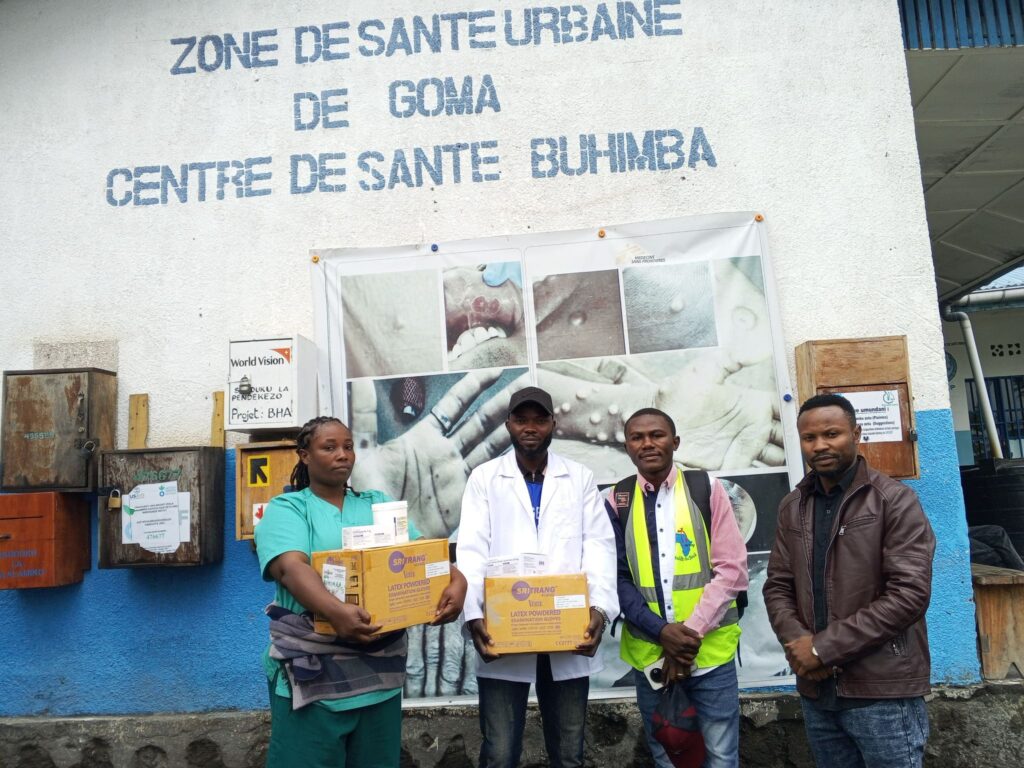
EDS conducted a major awareness campaign on the MPOX virus in five camps for displaced persons located in Goma, in the territories of Nyiragongo and Beni. This initiative mobilised 30 facilitators, who raised awareness among nearly 1,800 people, mainly women, who are considered the pillars of family survival in these camps.
In the rural communities of Kazebere and Batangi Mbumbi, two inclusive agricultural health committees were established following training for community leaders.
In the Mabanga neighbourhood of the city of Goma, local dynamics have established regular assistance for displaced persons, providing food and clothing to vulnerable individuals, including pregnant women and children.
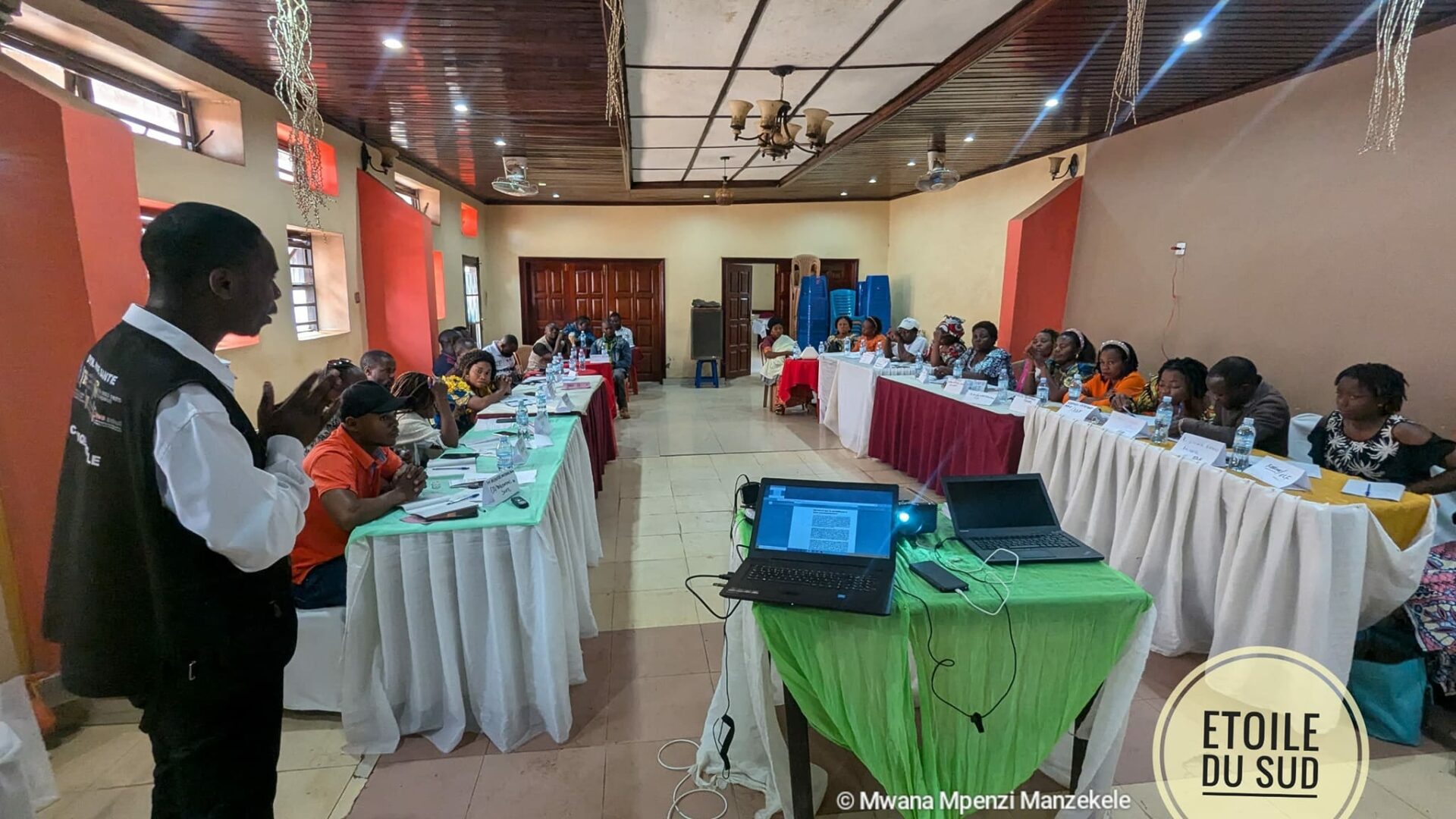
A workshop on abuses in the artisanal mining sector also made it possible to denounce violence against women and children and called for greater involvement of civil society.
Si Jeunesse Savait (SJS) is a Congolese association of young feminists, founded in 2001. SJS works mainly in Kinshasa.
Their mission is to promote and protect human rights, conduct research, provide services and empower all adolescents and young people, particularly girls and sexual minorities, through capacity building and financial empowerment in urban and peri-urban areas of the Democratic Republic of Congo.
SJS aims to strengthen the leadership skills of all these young people so that they can speak for themselves in their own environment.
Their actions cover three areas: Sexual and Reproductive Health Rights; Information and Communication Technologies (ICT); Entrepreneurship and Economic Justice.
Activities include community awareness-raising, training, advocacy, discussions on the impact of ICTs on the lives of women and girls, and mentoring young people through peer education.
Si Jeunesse Savait and Viva Salud have been partners since 2022.
Examples of concrete actions taken by Si Jeunesse Savait:
SJS organised workshops on improving the public health system with nine health centres, bringing together various professionals: doctors, midwives and nurses. These meetings have made it possible to develop more inclusive alternative approaches that better take into account the rights and more accurately respond to the needs of the population.
SJS also conducted a workshop with national health authorities on violations of women's rights in the health system. This initiative strengthened the organisation's legitimacy with government institutions, which are become valuable allies in the fight to improve working conditions for healthcare workers. These constructive exchanges have also encouraged women healthcare professionals who have been victims of violence to speak out.
TOWARDS A COMMON GOAL
Together, the goal is to strengthen the social movement for the right to health. Today, our partners, Si Jeunesse Savait and Étoile du Sud, need your support to continue their vital work. They are not content with emergency measures: they are building the foundations of a fair healthcare system that is accessible to all, even in the context of war.