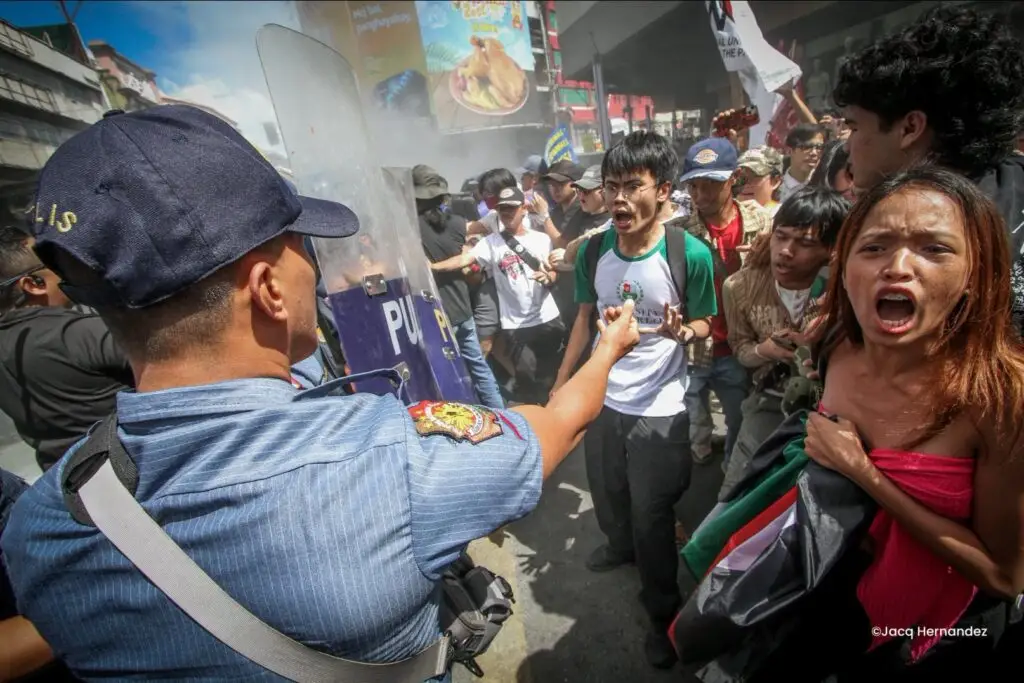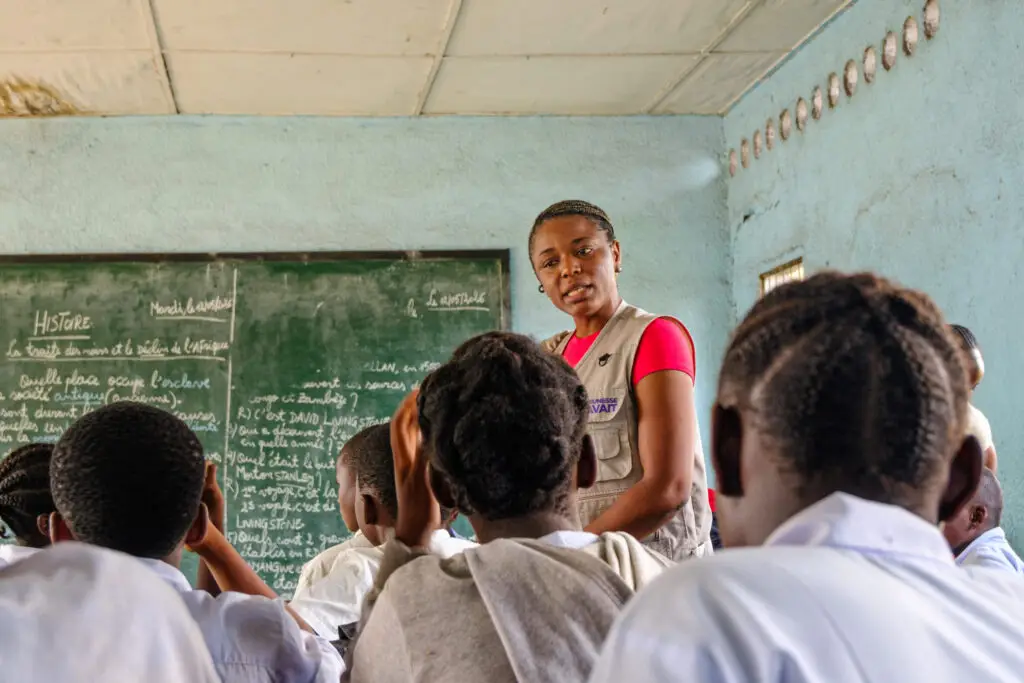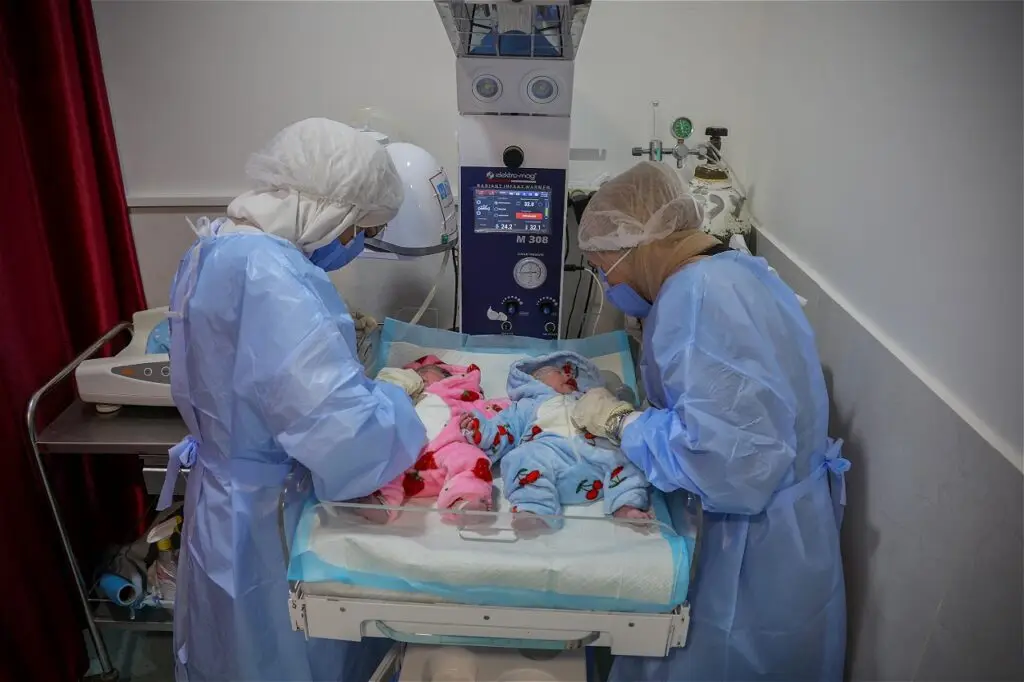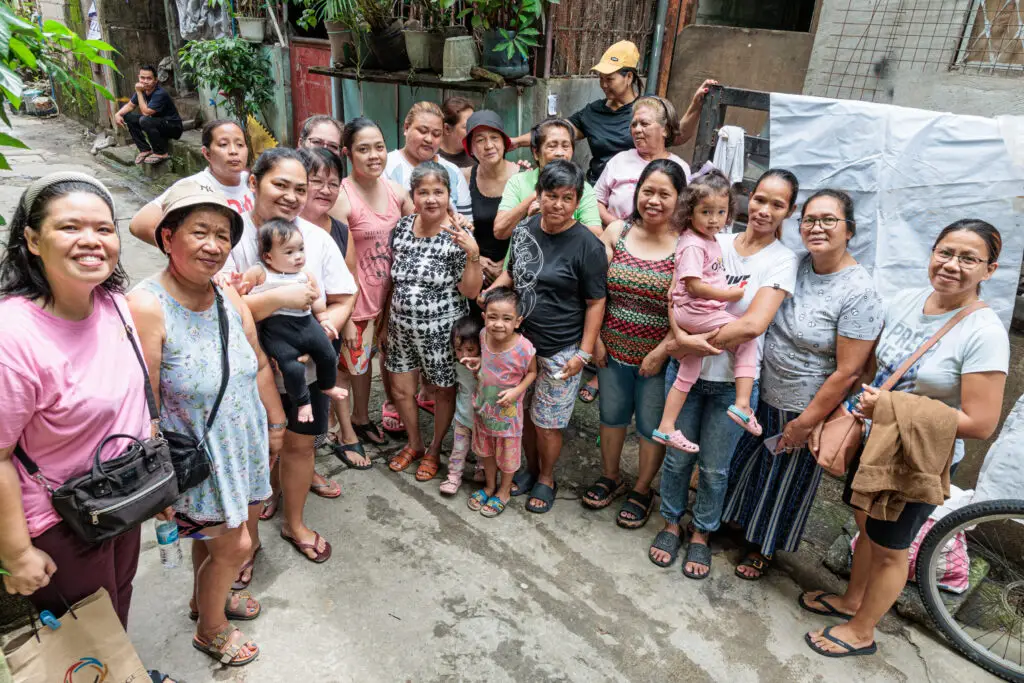
Gabriela is a Filipino women’s organisation, founded during the struggle against the Marcos dictatorship in the 1980s and a lasting social force ever since. Women from the neighbourhoods organise themselves through Gabriela, where they learn a wide range of skills such as small-scale production and providing basic care; they distribute food during natural disasters; and they campaign collectively for women’s rights, for better protection against flooding in their neighbourhoods, and for improved living standards. When it comes to women’s issues, the women of Gabriela are committed to the cause. But without resources, there can be no struggle. This work relies in part on our international solidarity. So please donate to Viva Salud and support women in resistance!
Poverty, inequality and conservatism
The Philippines and Vatican City are the only two countries where divorce is illegal. But whilst Vatican City has only around 800 inhabitants, practically all of whom hold a specific religious role, the population of the Philippines stands at around 112 million. That is about ten times the population of Belgium. For both countries, the reason for the ban is Catholic religious law. The only way to get a divorce in the Philippines is therefore to be Muslim, as Islamic law does permit it. For the same reason, abortion is also illegal in the Philippines.
Despite the conservative cultural influence, teenage pregnancies are a major problem. 4.9 per cent of Filipino girls aged between 15 and 19 are (or have been) pregnant (PSA 2025). By way of comparison: in Belgium, the figure is just 0.4 per cent – ten times lower (World Bank Group 2026). In economically developed countries, this figure is consistently falling. But even within the Philippines, it is clear that wealth plays a role. Among the richest 20 per cent of Filipino girls, “only” 1.9 per cent have been pregnant, whilst among the poorest 20 per cent the figure rises to 9.4 per cent – more than five times as high. It is therefore not merely a cultural issue, but also a class issue.
Poverty therefore leads to a higher risk of teenage pregnancy, but abortion is, in turn, illegal. Raising a child at a young age requires resources that are already scarce, which in turn makes it more difficult to progress and escape poverty. The issues surrounding the conservative culture, on the one hand, and the poverty and widespread inequality in the country, on the other, are therefore intertwined. For Gabriela, the struggle for women is therefore necessarily not only a struggle for rights, but also a struggle against poverty, exploitation and corruption.
From care to campaigning and training
One of the ways in which Gabriela reaches out to women in the neighbourhoods is through its information evenings on women’s health, women’s rights or support for victims of violence against women and children. Women who have received help often want to help others too. The first people to join Gabriela in a new neighbourhood can, together with a few others, set up a new branch and continue the work, with guidance. If they expand into two other neighbourhoods, a city branch can be established, and with a further three city branches, a provincial branch can be set up. Depending on the organisational capacity, an entire network can therefore develop quite quickly.
The local branches have a great deal of autonomy to focus on the issues in their neighbourhood, such as a major demolition or, conversely, a construction project in your area. Gabriela’s local branch is therefore a neighbourhood committee that primarily involves women, but often men and children as well, from which they take collective action and put pressure on the local government.
On the other hand, there are also national campaigns, such as health programmes, campaigns for reproductive rights, the right to divorce, or against corruption. A common problem in the Philippines is the risk of flooding. The countless infrastructure projects launched by the government are notorious examples of corruption. Billions of dollars spent on them mainly end up in private pockets. This is particularly true when it comes to projects intended to improve conditions in poorer neighbourhoods.
This creates a two-way interaction between the local branches and the national leadership. National campaigns, information days and training are rolled out from the national to the local level, whilst local branches’ own initiatives and practical experiences (what works and what doesn’t) are fed back up to the national level, where they can be analysed to prepare the next steps.
Collective action: the power of organisation
The wide variety of activities organised by Gabriela, combined with its consistently collaborative approach – which leaves plenty of scope for individual input and creativity – ensures that Gabriela’s active members also identify with the organisation: there is always something to do. At the same time, this gives the women self-confidence; they develop new skills and achieve successes, sometimes at a local level and sometimes at a national level, such as the extension of maternity leave (Quismorio 2019). Here, too, there is a reciprocal relationship: Gabriela’s members develop themselves within the organisation, which strengthens the organisation and improves its work, thereby enabling the women to develop themselves further. The development of the individual drives the organisation forward, and vice versa.
Gabriela’s work is therefore, to say the least, multifaceted. For instance, Gabriela trains individuals in small-scale production and campaigns collectively for better wages and against exploitation. In doing so, they strengthen women’s economic foundations. At the same time, they work on major rights campaigns, such as the ongoing campaign for the right to divorce and the successful campaign to extend maternity leave. Through these, they focus on legislation imposed from above. Better legal protection creates more scope for economic development, and a stronger economic base in turn strengthens the capacity to fight for rights. The various campaigns operate at different levels that reinforce one another, thereby working towards genuine, concrete women’s emancipation.