2020 will be remembered as the year of the coronavirus pandemic. In the blink of an eye, the virus spread across the globe and brought entire societies to a standstill. According to António Guterres, Secretary-General of the United Nations, we are facing the greatest social crisis since the Second World War. The implications for human rights are enormous. If we are to succeed in the fight against the coronavirus, we must therefore approach the issue from a human rights perspective.
Indeed, the coronavirus pandemic is a human rights issue. In responding to the crisis, these rights have come under pressure at various levels and in different parts of the world, particularly for the most vulnerable groups. Salud, KIYO and Solidagro have produced a video on the rights-based approach as a framework for sustainable development cooperation. The rights-based approach also inspires us in the fight against the coronavirus and its social, economic and political consequences.
The coronavirus crisis highlights structural injustices
This perspective helps us to see the roots of inequality. Rather than focusing on the needs of the population, the rights-based approach exposes the structural injustices of the coronavirus crisis. So, how can one cope with lockdown and hygiene measures when seven people are living in a single room? Or when one has to share a toilet in a refugee camp with dozens of other people?
Nearly 40% of the world’s population has no access to running water or soap. More than 60% of workers are employed in the informal economy and are not entitled to any replacement income should they lose their jobs. Smallholder farmers are suffering a loss of income because they are unable to sell their crops at market. It is not a resilient society that has been affected by the coronavirus; it is a society where the rights of a large proportion of the population are not respected. Consequently, the impact of health risks and the restrictive measures taken to limit these risks is felt even more acutely by the most vulnerable. Alongside an acute health crisis, many countries are also experiencing food and economic crises.
The responsibility of states
By looking at the situation through a rights-based approach, we identify the actors who bear the responsibility for upholding, protecting and realising our rights. If we recognise that someone has a right – the rights-holders – we are in effect recognising that someone else has a duty – the duty-bearers. The coronavirus crisis has shown that the main duty-bearers are the authorities. They are the guarantors of the population’s rights and may decide to temporarily restrict fundamental rights and freedoms in times of crisis.
In order to prevent the healthcare system from collapsing, various states have declared a state of emergency and introduced restrictive measures. Billions of people have been placed in quarantine in one way or another, gatherings have been banned and national borders have been closed. Although international law permits such restrictions, states had committed themselves, by signing international human rights treaties, to ensuring that these restrictions are limited and temporary.
Change from the bottom up
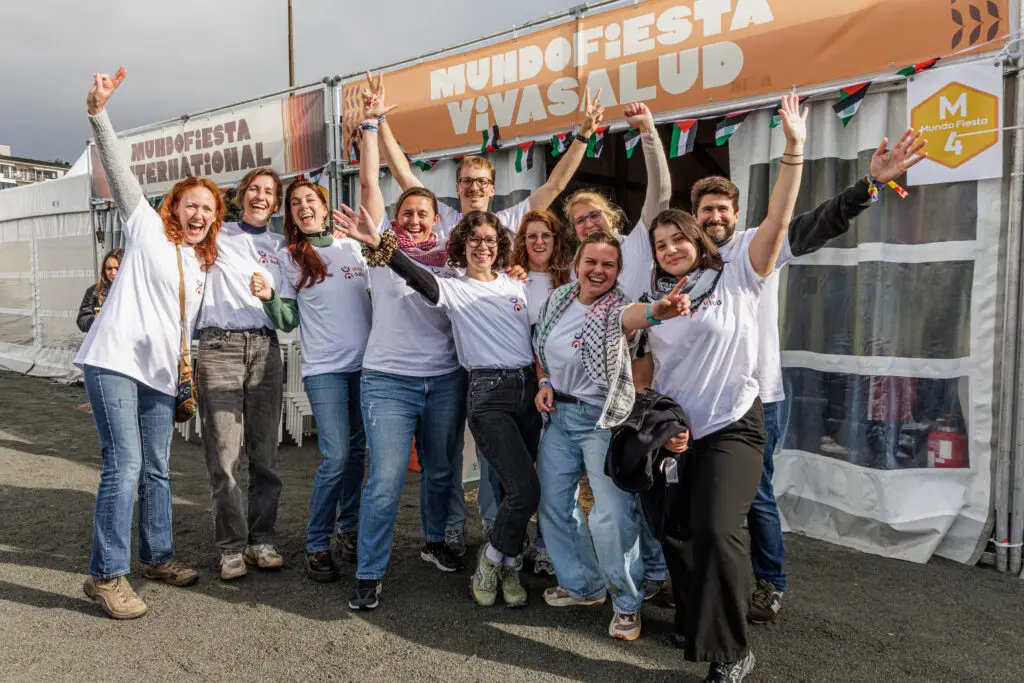
Finally, the rights-based approach places the population at the centre. It is an approach that builds on people’s potential to empower themselves in order to realise their rights and overcome any dependence on aid by organising themselves. Citizens become agents of change rather than passive victims. In various countries – such as Brazil, Palestine and the Congo, for example – young people are going door-to-door to distribute hygiene kits to help combat the spread of the virus.
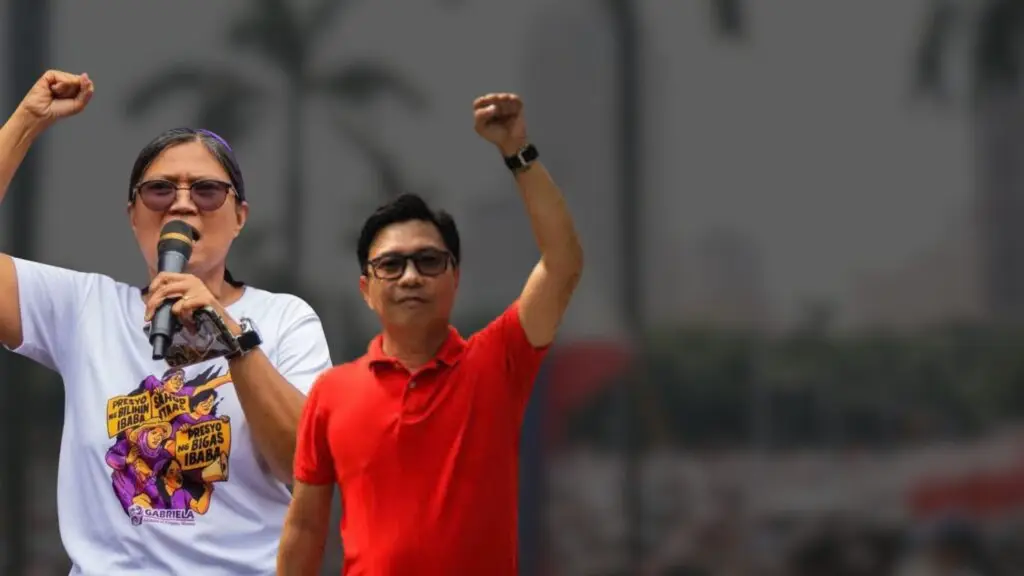
Elsewhere, too, citizens have taken their fate into their own hands and taken to the streets to demand changes to ensure their rights are respected. The death of George Floyd has sparked a global movement against police violence and structural racism. In Lebanon, people have been protesting for months against government corruption and in favour of social justice. And in the Philippines, social movements are organising in opposition to President Duterte’s repressive measures.
It is only when people come together and stand up for their rights that they can ensure those rights are upheld and that structural change becomes possible.