Joaquim is a Viva Salud volunteer who has already made three solidarity trips to Lebanon. There he met our partner Human Call, with whom he visited the Palestinian refugee camp of Ain al-Helweh. Today, he is writing to tell us about this Lebanon that is so dear to his heart, and to appeal for international solidarity.
Lebanon is a beautiful country dear to my heart, and I've visited it three times. How did it come to this? What can we do to help the Lebanese victims of the explosion on 4 August?
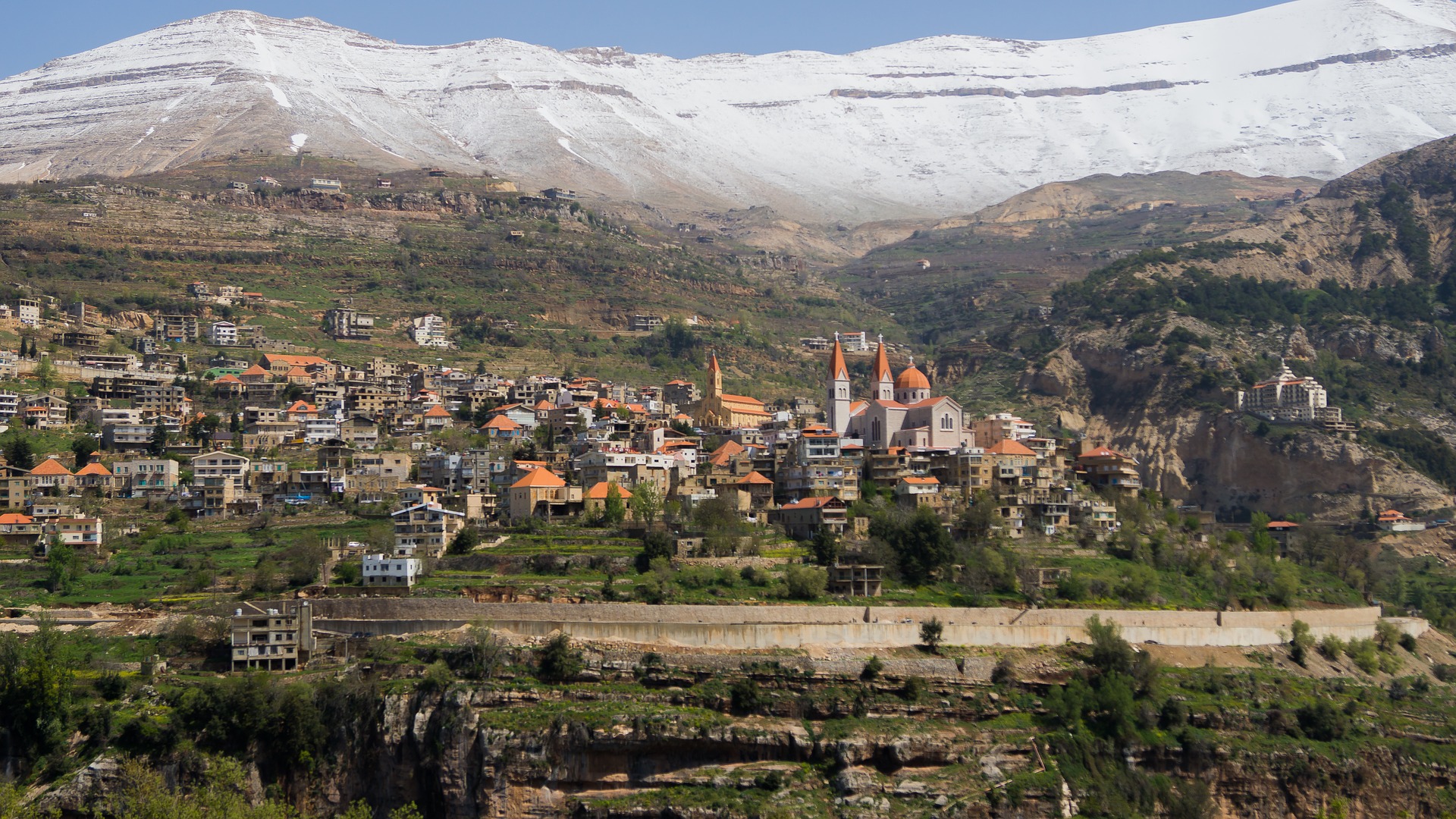
For hundreds of years, families, farmers, resistance fighters, poets, musicians and sailors have lived on the Mediterranean coast and on the peaks of Mount Lebanon in the Bekaa valley. This small country (slightly smaller than Flanders) is home to 5.5 million people, many of them Palestinian and Syrian refugees.
Since its independence, Lebanon has constantly been the victim of internal and external conflicts.
Lebanon was detached from Syria and occupied by France between 1919 and 1943. The French colonial power set about dividing the Lebanese population into religious groups. As a colonial legacy, in Lebanon you can only vote for a political party that is attached to your religious group. This is one of the most divisive and anti-democratic electoral systems in the world.
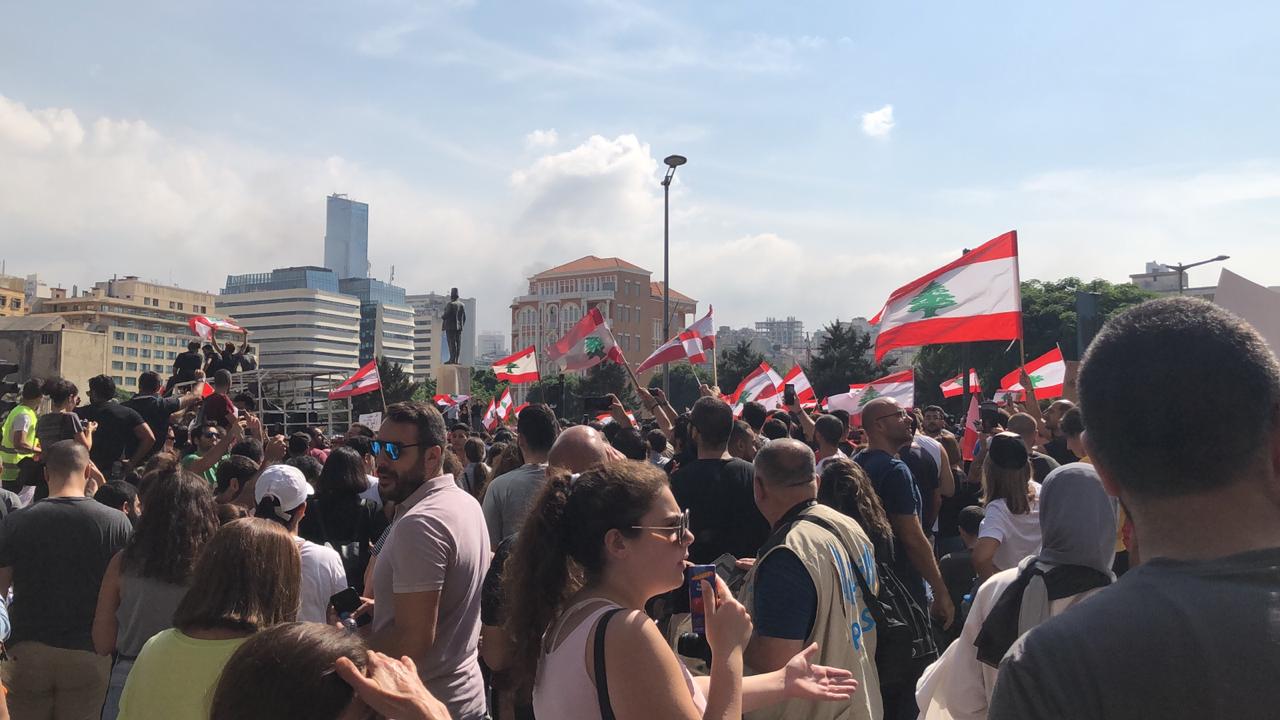
Since its independence, Lebanon has constantly been the victim of internal and external conflicts. A long civil war ravaged the country between 1975 and 1990. Israel invaded and occupied southern Lebanon between 1978 and 2000. The Israeli army invaded and bombed Lebanon in the summer of 2006. On several occasions, it bombed its capital, Beirut.
In addition to the ravages of armed conflict, the Lebanese population is currently suffering from an ultra-liberal economic system. The country produces very little, importing almost all its food, even though Lebanon is one of the most water-rich countries in the region.
In this small country, social inequalities are enormous. 1% of the Lebanese hold 30% of the wealth. 50% of the Lebanese have to share 10%.
Lebanon is being strangled by the state's debt to Lebanese banks such as BLOM Bank and Audi. This debt amounts to 92 billion dollars. 170% of GDP. More than half of the state budget is devoted to repaying this debt. As a result, there is no investment in services for the population. Education, health and leisure are privatised and reserved for the wealthiest.
In this small country, social inequalities are enormous. 1% of the Lebanese hold 30% of the wealth. 50% of the Lebanese have to share 10%. To replenish the coffers, the state is taxing the consumption of families already in great difficulty. In fact, it was a new tax on WhatsApp messages that provided the spark for the popular uprising in autumn 2019.
Today, the health crisis linked to COVID has made the situation even worse. More than half the population is suffering from hunger or malnutrition. A litre of milk can cost as much as €8. In order to get out of the crisis and obtain further aid from the International Monetary Fund, the government is planning to cut public spending even further!
The terrible disaster of 4 August is symptomatic of the State's lack of interest in the Lebanese people.
In 2013, a ship chartered by a large Russian fortune and carrying an extremely dangerous product (ammonium nitrate) bound for Mozambique made an emergency stopover in the port of Beirut. It was stopped by the customs authorities. The cargo was unloaded. Since 2014, Lebanese customs have reportedly informed the government on six occasions that this dangerous cargo had to be quickly processed and neutralised. Nothing was done. And unfortunately, the explosion on 4 August is a tragic consequence.
Human Call welcomes everyone, whatever their origin, community or religion. They do extraordinary work with very little resources.
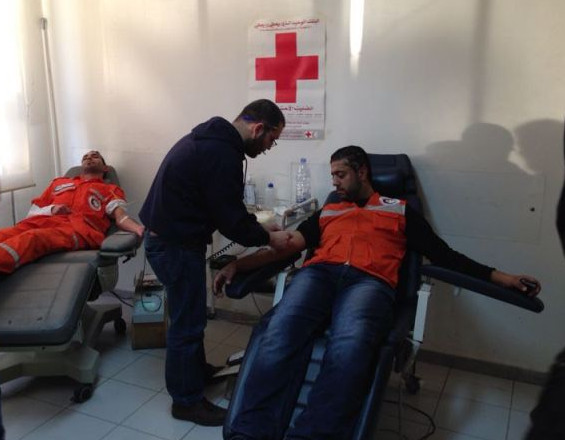
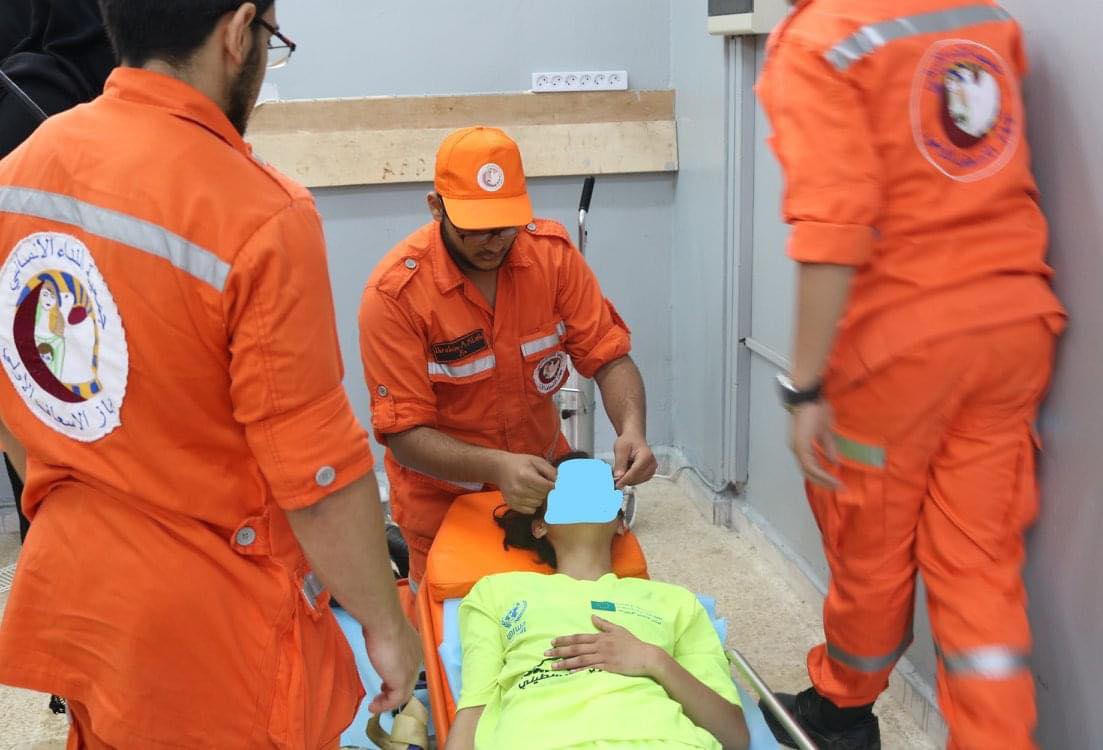
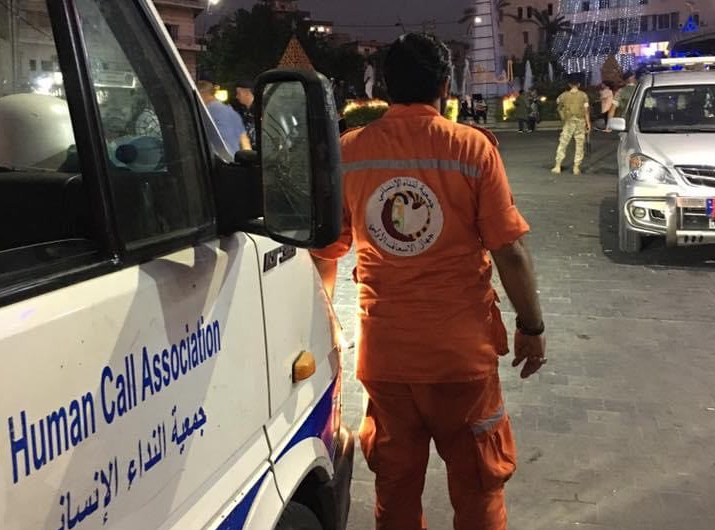
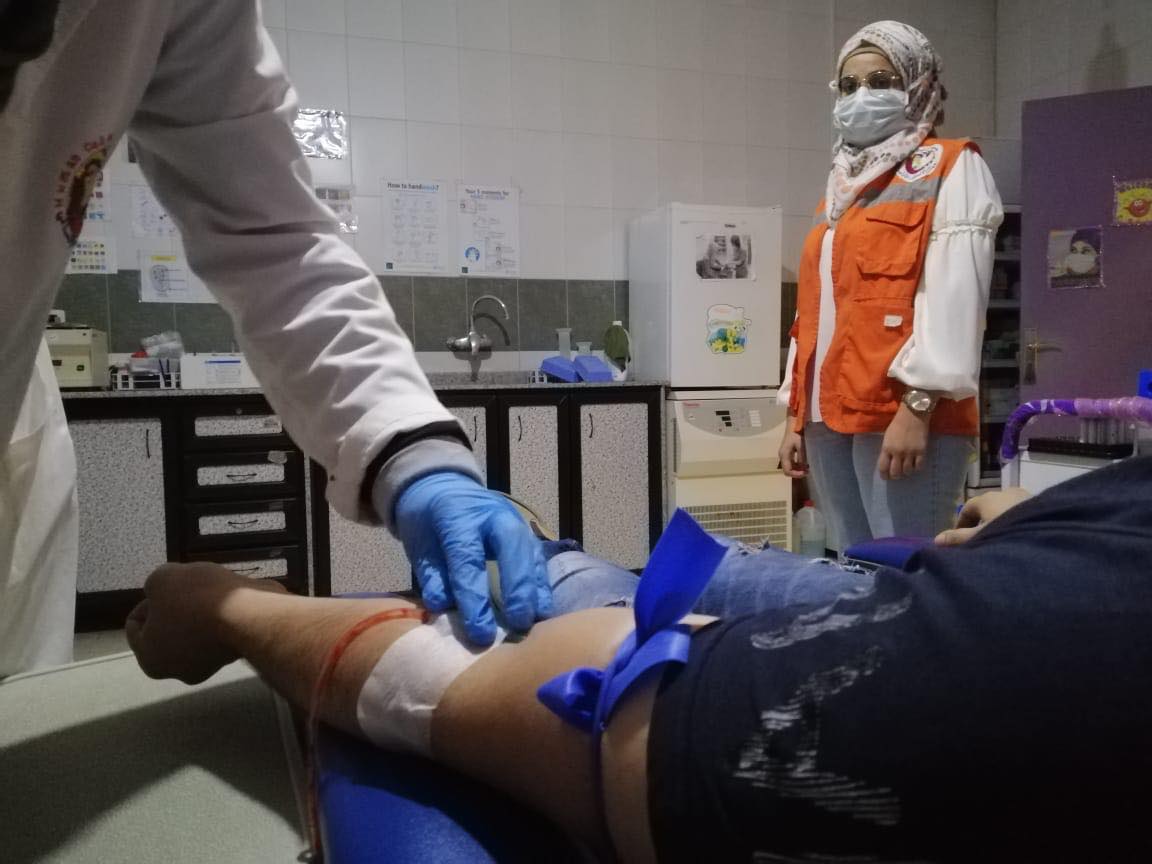
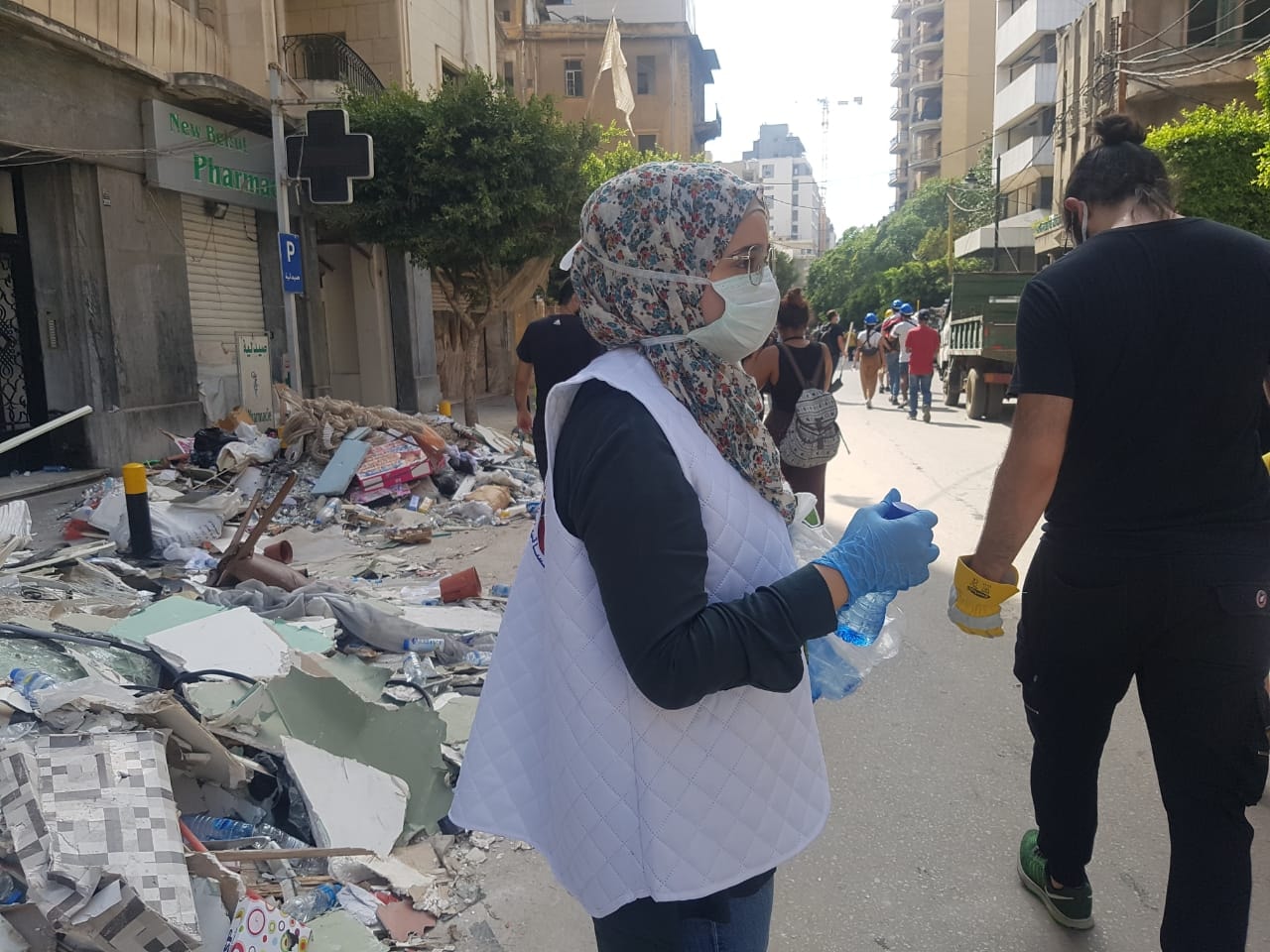
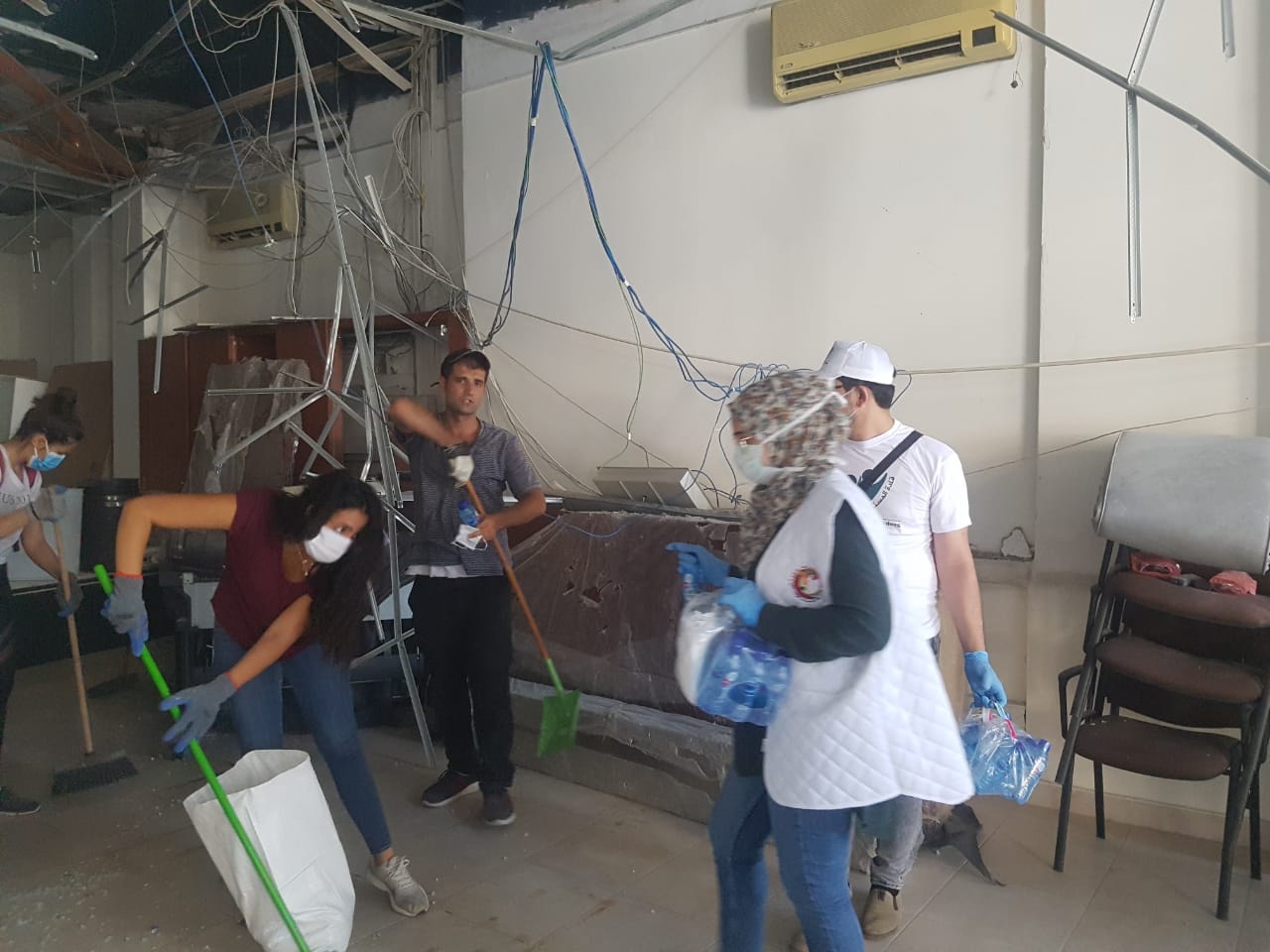
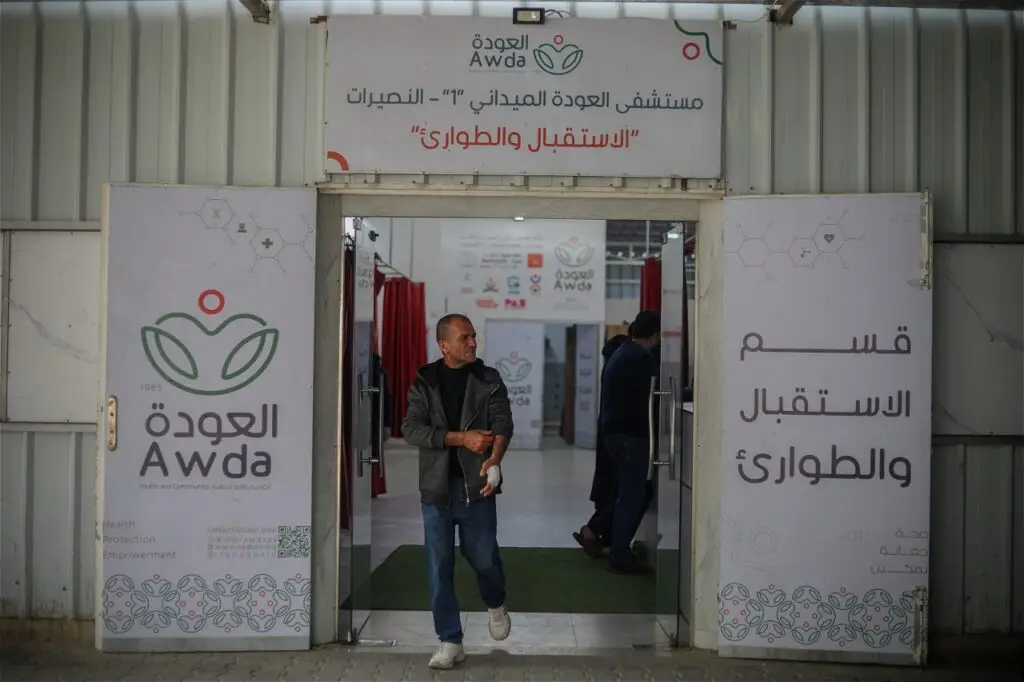
In the face of this huge disaster, it is urgent to come to the aid of Lebanon, in particular via the Belgian NGO Viva Salud, which is collecting funds for its Lebanese partner: Human Call. I was extremely lucky to meet them during one of my visits to Lebanon. This health organisation treats people who cannot afford to pay for private healthcare, which is financially inaccessible to many of Lebanon's inhabitants.
Human Call works in several Palestinian refugee camps and has a hospital in one of the largest camps, Ain al-Helweh. Human Call welcomes everyone, whatever their origin, community or religion. They do extraordinary work with very little resources. On 4 August, Human Call did not hesitate for a second to go to Beirut to take care of the injured, to help clear away collapsed houses to find survivors, and to take care of the volunteers who were in turn injured by the rubble. They all have my support, and I hope they have yours too.
Over and above the urgent need for reform, Lebanon is further proof of the economic, ecological and political violence of this system.
I also give my full support to the Lebanese resistance, which is calling for far-reaching and urgent reforms: A non-confessional political system, cancellation of the public debt, taxation of large fortunes, massive investment in the public and productive sectors.
Over and above the urgent need for reform, Lebanon has shown me once again the economic, ecological and political violence of this system. It reinforces my conviction that we must act here and there to get rid of capitalism. We need to pool our wealth, distribute it fairly and preserve our beautiful planet, especially this magnificent region, Balad al-Sham, the cradle of so many beautiful stories, courage, tenderness, magnificent landscapes, sublime music and poems.
#OnlyFightersWin