Whilst Israel has already vaccinated more than half of its adult population, the Palestinian people are facing a vaccine shortage. Worse still, because of the Israeli blockade and occupation, vaccines sometimes do not even reach their destination. We interviewed Dr Ahmad Mohanna, director of the UHWC’s Al Awda Hospital, our partner in Gaza.
How is the vaccination campaign going in Palestine, particularly in the Gaza Strip?
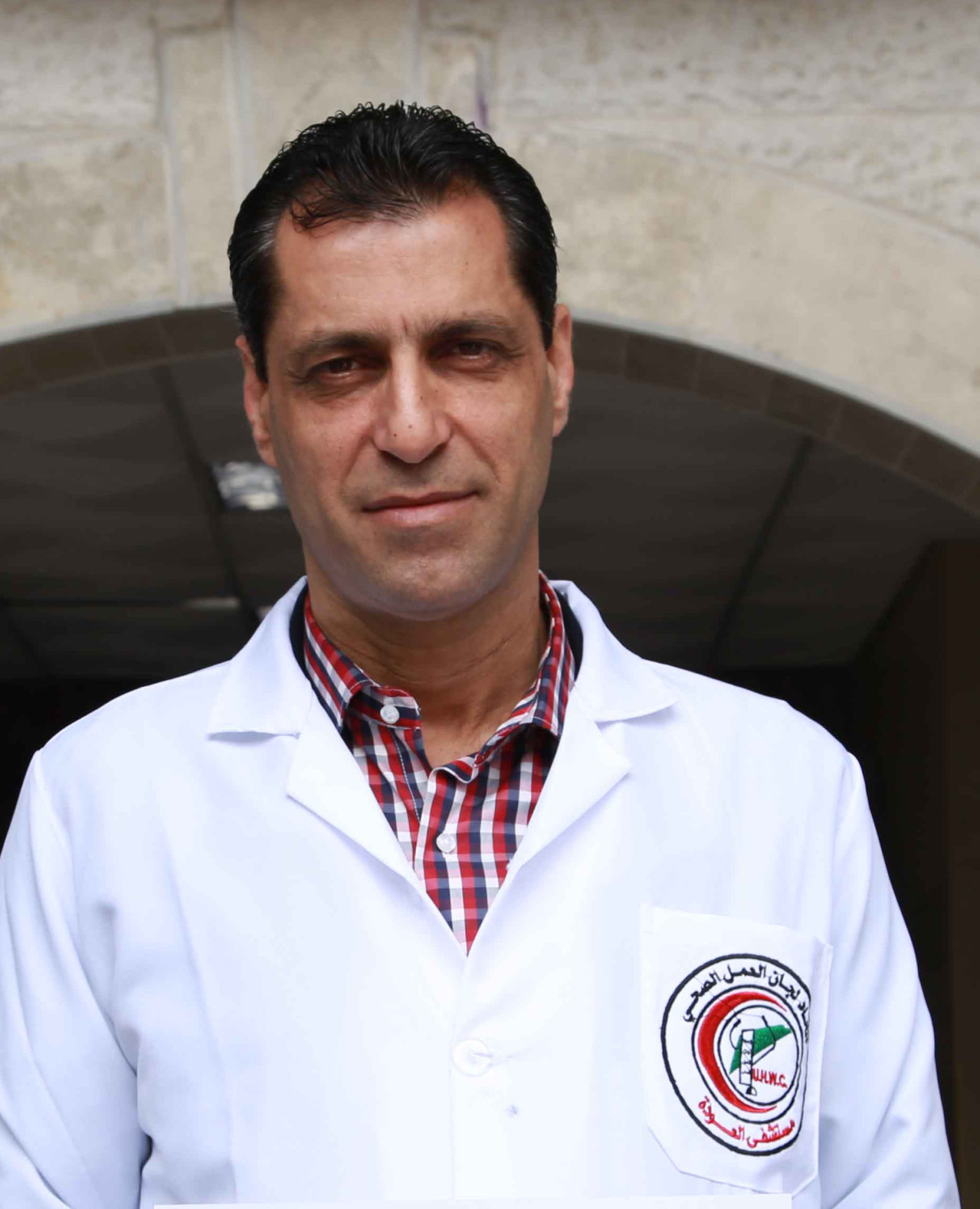
At present, the number of infections in Gaza is rising day by day. As a result, restrictions have once again been tightened. A curfew after 7 pm has been reintroduced. The vaccination campaign in Gaza is struggling to get off the ground and is only taking place in Ministry of Health hospitals for people over the age of 50 or those with chronic illnesses. Those under 50 must still wait as we are short of vaccines.
What are the main obstacles?
The Israeli occupation is a major obstacle. It is delaying the delivery of vaccines to Gaza, which is causing problems for the administration of the second dose. And there are also obstacles amongst the population. The many rumours circulating about the vaccines are causing confusion and raising doubts about their benefits and safety.
Hospitals are desperately short of monitors, as well as oxygen and ventilator equipment. The rise in the number of infections is only making this shortage even more acute. Hospitals’ operating costs have risen sharply as a result of purchases of masks, gloves and hand sanitiser.
What solutions can you think of?
The international community must pay greater attention to the critical situation in Gaza. Awareness-raising campaigns by NGOs and medical organisations play an important role in informing the public and raising awareness.
Furthermore, the occupying forces bear a heavy responsibility towards the people of Gaza and the West Bank. They must ensure that vaccines reach the occupied territories in sufficient quantities and in good time. However, some of these territories are currently completely sealed off, which is preventing vaccines from reaching hospitals.
What is your role, and that of social movements, in response to this situation?
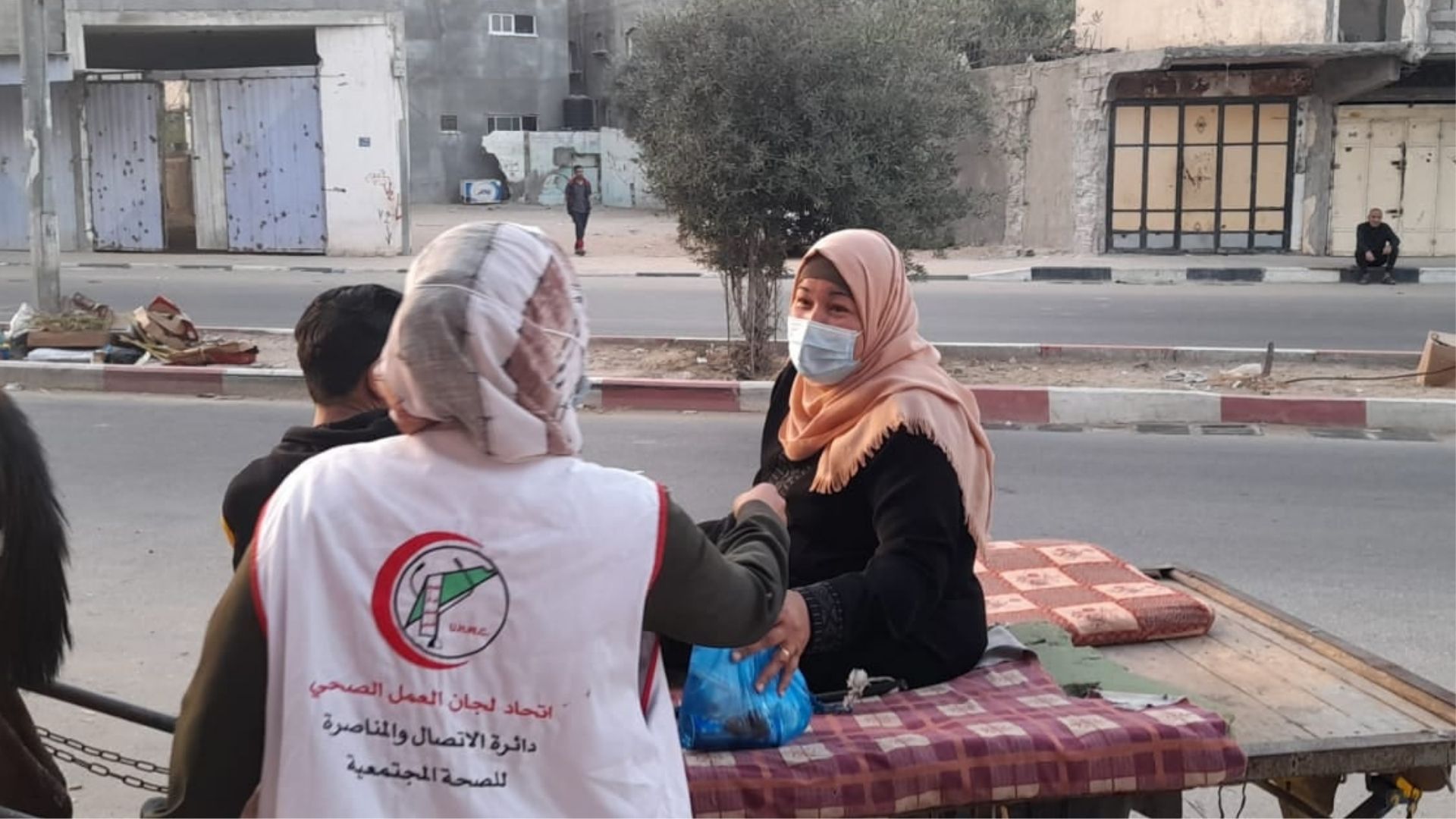
At the moment, we are focusing primarily on the fight against coronavirus. With the help of our volunteers, we are raising awareness amongst the public about safety measures, both online and through our health centres in various neighbourhoods.
We also organise training sessions on how to deal with the coronavirus, on the benefits of vaccines, and on how we can encourage social media platforms to play a part in raising public awareness. In short, we try to bring people together through a range of initiatives.
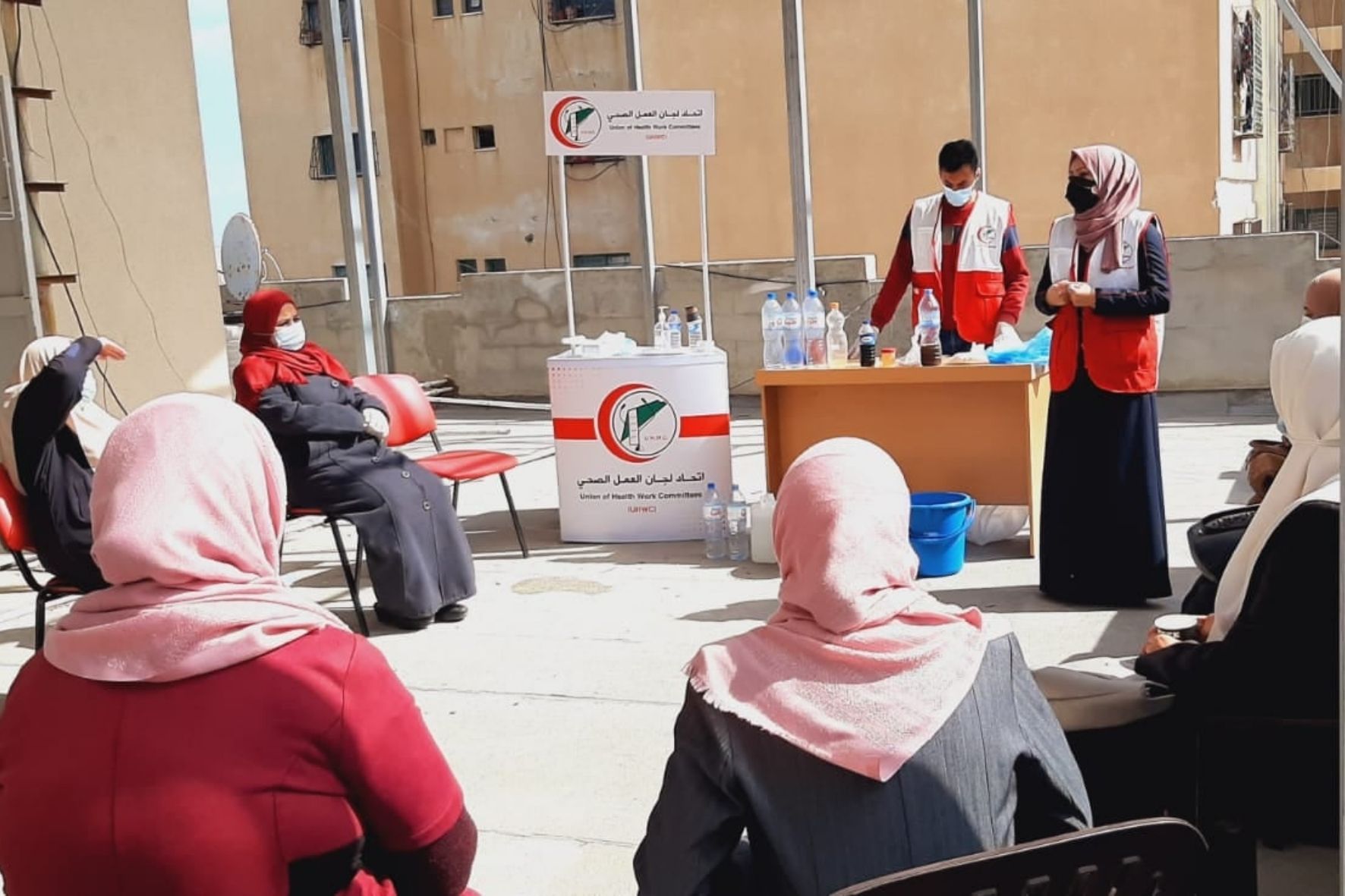
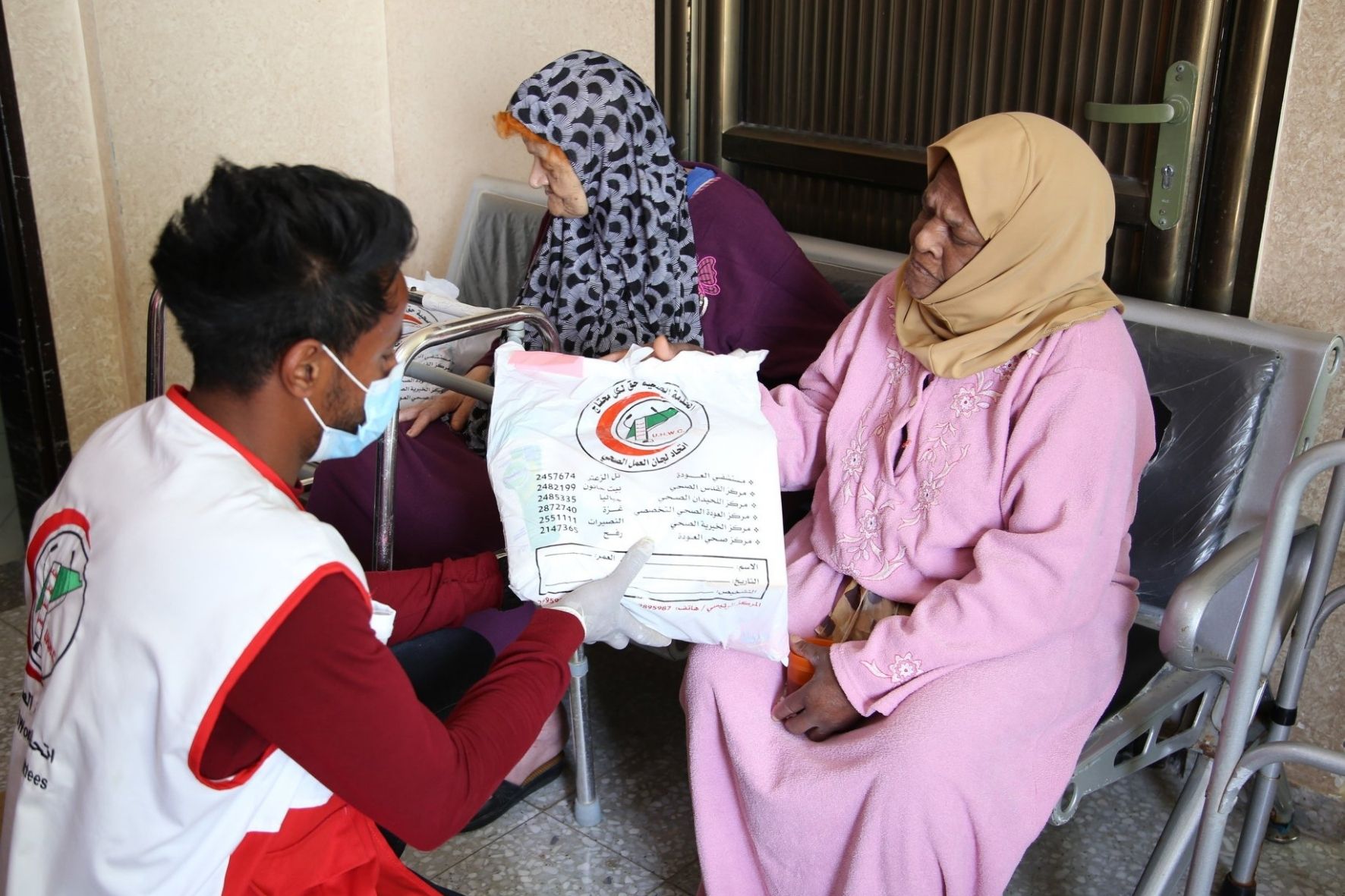
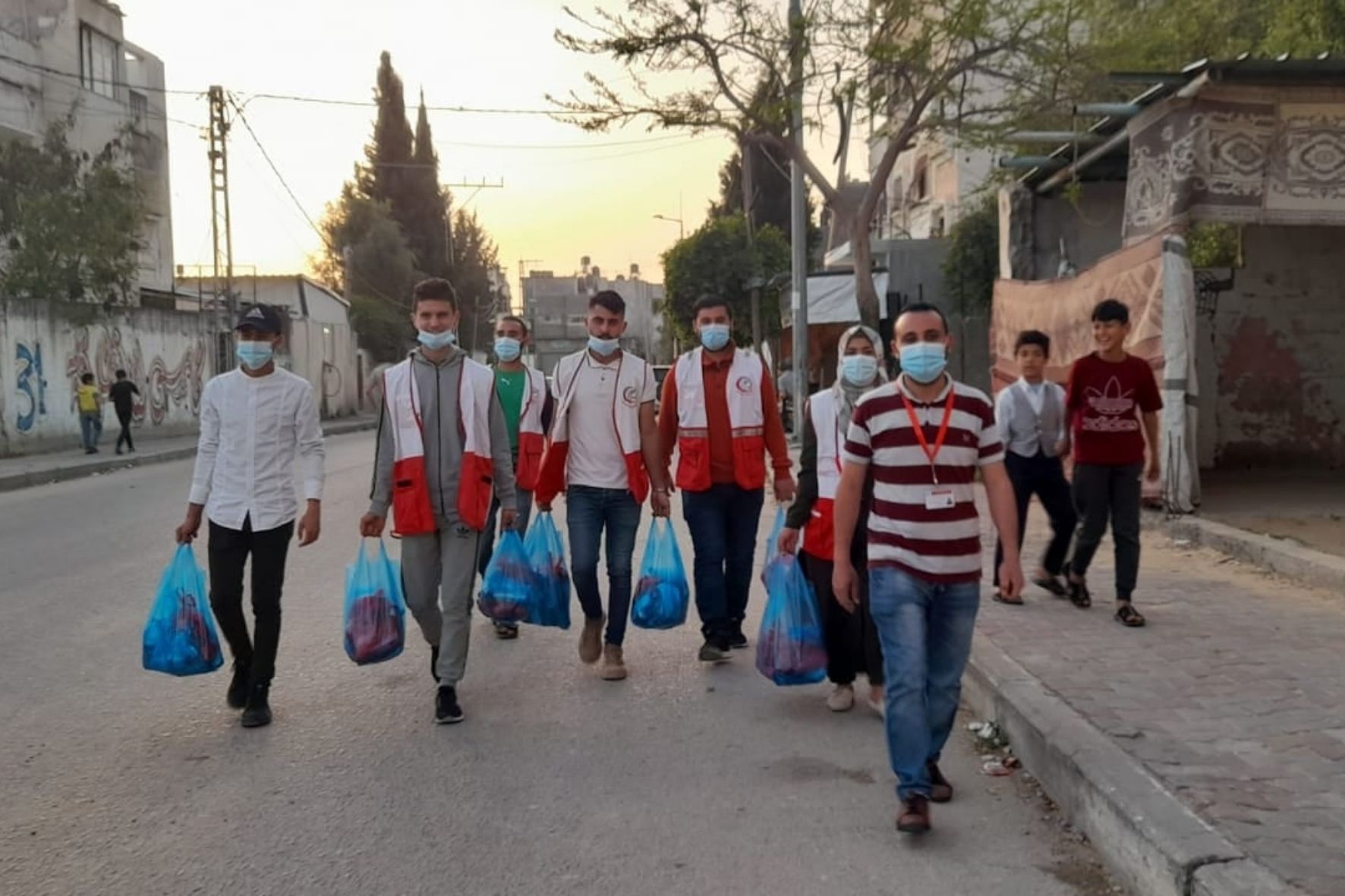
Social movements have an important role to play in supporting public health institutions in the fight against the pandemic. This is particularly true during these difficult times and against the backdrop of an economic situation in the Gaza Strip that was already dire. Social movements can mobilise people, for example through street protests to draw attention to the courage of healthcare workers and those on the front line, and to raise additional funds to strengthen local institutions in the fight against Covid-19. They also organise fundraising campaigns to help the poorest families.
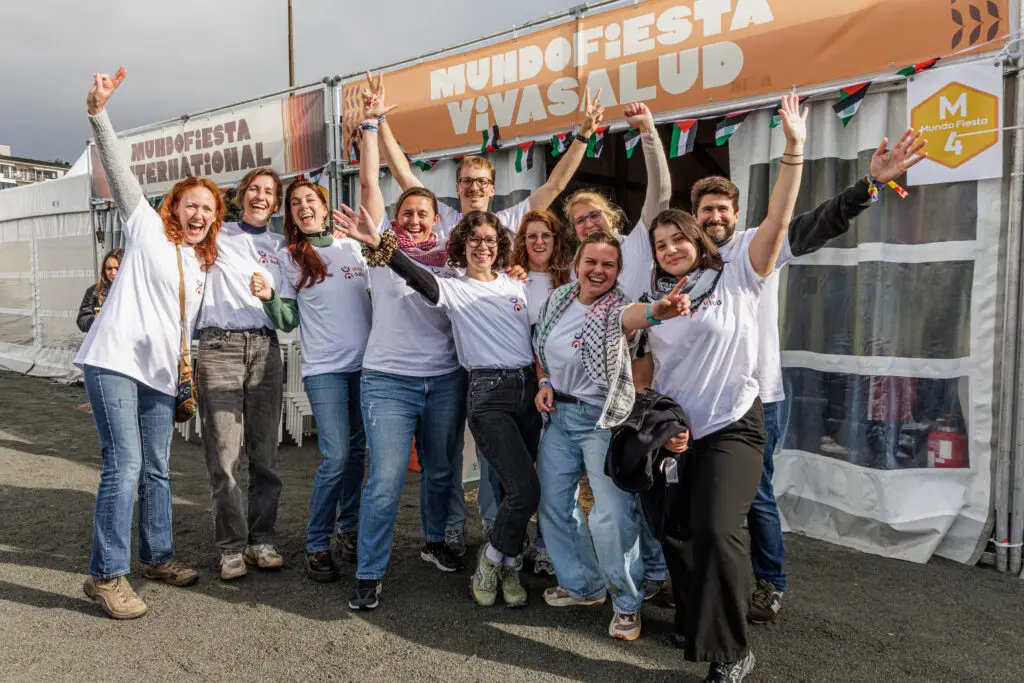
Through our collaboration with Viva Salud, we can also contribute to the international policy debate on the waiving of vaccine patents and the accessibility of these vaccines worldwide.
Do also watch the webinar on Israeli vaccine apartheid with Ubai Aboudi, director of the Bisan Centre for Research and Development, our Palestinian partner.
Interview conducted on 22 April 2021