Confinement of patients, astronomical bills, refusal of care... The stories in Oxfam's latest report, Sick Development, The abuses committed in private hospitals in Kenya and India are shocking. Worse still, these hospitals are funded by European taxpayers' money. We spoke to Anna Marriott, health expert at Oxfam International and lead author of the report.
Why did you launch this study and what are its main conclusions?

Over the past decade, governments have increasingly involved the private sector in development cooperation. Including in the healthcare sector. In the study, we take a close look at the investments made by several European development banks and the World Bank in the private healthcare sector.
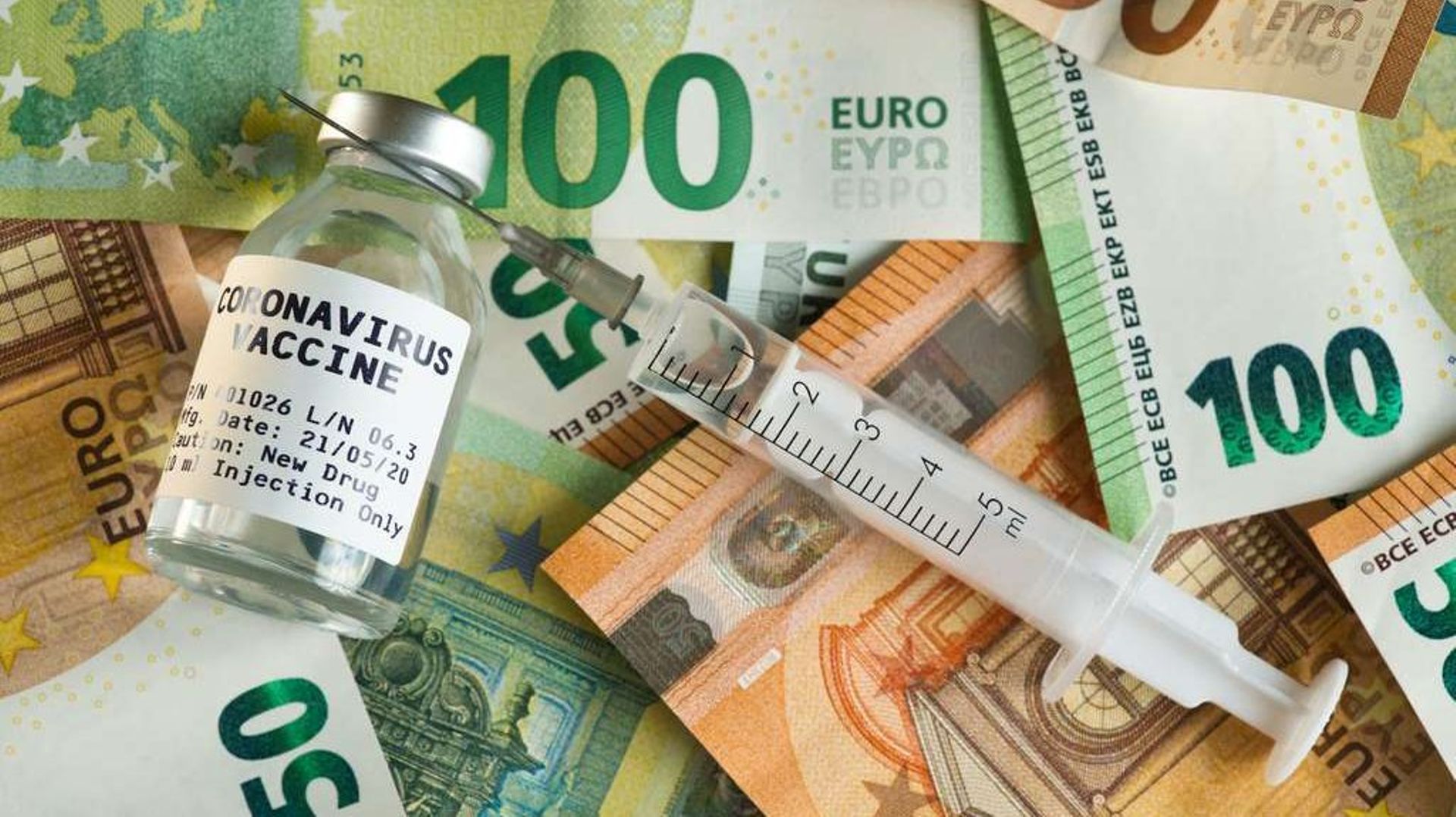
We have observed that they spend hundreds of millions of euros of taxpayers' money on expensive private hospitals in low-income countries. Sometimes these hospitals deny patients access to care, bankrupt them, or even lock them up if they cannot pay their bills. At the height of the pandemic, some of these hospitals refused to treat patients with Covid-19. Others sold their intensive care beds to the highest bidder, at obviously exorbitant prices.
The stories recounted in the study are shocking. Can you tell us about some of them?
It was very difficult to report abuses and unethical behaviour in private hospitals. Especially when we know that the damage is caused in the name of development cooperation and the fight against poverty.
For example, The women's hospital in Nairobi, Kenya, kept the body of Francisca's deceased mother for more than two years because Francisca and her siblings could not pay the hospital bill.. During our investigation, we discovered 37 alleged or confirmed cases of patients being detained by the same hospital group since 2017. Even more shocking is that most development banks continued to invest in this hospital after the hospital director boasted about this inhumane approach in an interview with the media.
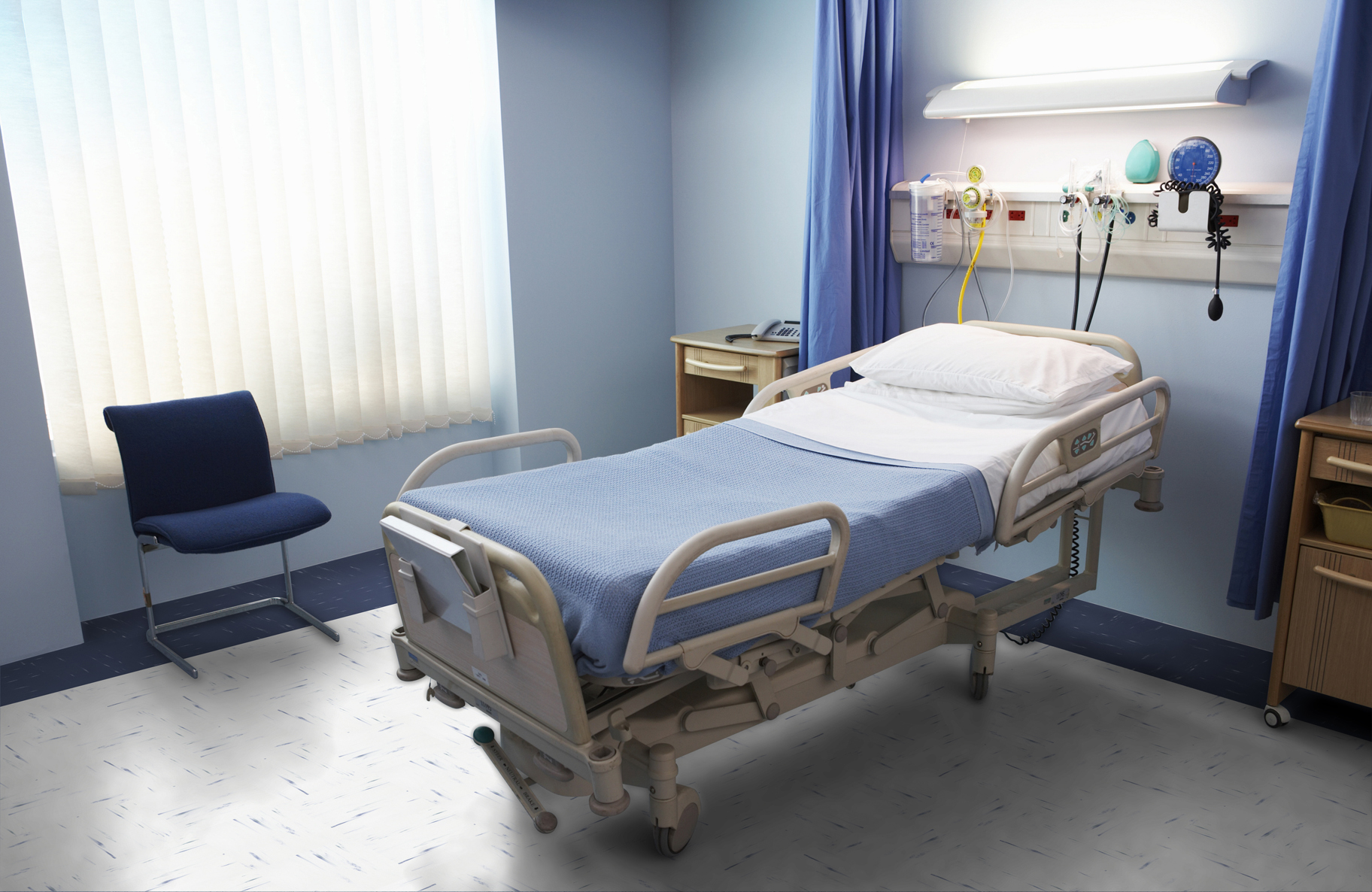
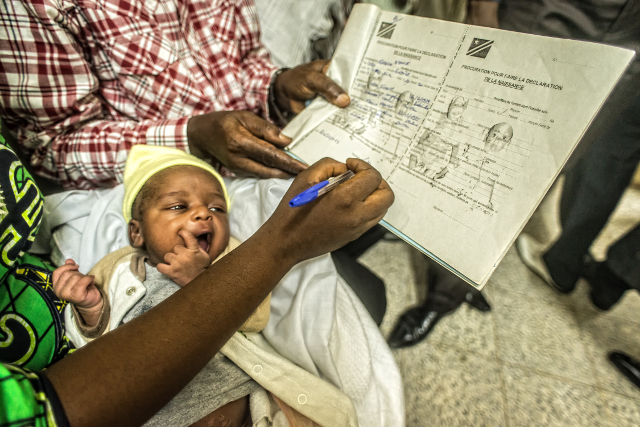
Many patients we interviewed with Oxfam told us that they were not allowed to use their state-provided health insurance, which normally entitles them to free treatment at Narayana and CARE hospitals in India. As a result, they all faced significant financial hardship. For example, Eva's mother's hospital bill cost as much as Eva and her father's total income for seven years. Eva told us how CARE had destroyed her family life and career by plunging her into heavy debt.
Finally, during the pandemic, Nakasero Hospital in Kampala, Uganda, reportedly charged nearly €1,750 per day for a COVID-19 bed in intensive care.. The bill for a patient who died of the virus in hospital amounted to an extraordinary €110,000. It is completely unacceptable that we should invest taxpayers' money in such establishments.
How much money do European development banks invest in private healthcare?
Development banks are not at all transparent about their investments. It is very difficult to get an accurate picture of the situation. Our figures are therefore probably lower than the reality. Our research has identified more than 350 direct and indirect investments in private healthcare in low- and middle-income countries by British, German, French and European development banks for the period from 2010 to 2022. More than half of these investments went to private hospitals or other forms of for-profit healthcare. Since 2010, the four European development banks studied have invested at least €2.25 billion in private healthcare. They have also invested €3 billion in financial intermediaries, such as investment funds, which invest in sectors other than healthcare.
Governments must stop encouraging and funding the privatisation and commercialisation of the health sector.. Development banks and private healthcare providers must be subject to increased oversight, and we must invest heavily in strengthening public healthcare.
Anna Marriott, health expert at Oxfam Internationalal
It is very worrying to note that at least 81% of investments in healthcare pass through a complex and often invisible network of intermediaries who evade tax. Of the 140 financial intermediaries, 80 are based in tax havens, mainly Mauritius and the Cayman Islands. European development banks are therefore actively encouraging the plundering of healthcare in low- and middle-income countries.
If European development banks do not contribute to access to healthcare, who will benefit?
Firstly, the European development banks themselves. They invest money and reap the profits. Furthermore, Banks mainly invest in large companies whose owners are extremely wealthy. For example, the president of Rede D'or (the largest private hospital network in Brazil), who is also the 10th richest person in the country, and Ranjan Pal, owner of the Manipal Group (a hospital network in India), both own establishments supported by European taxpayers' money. So instead of improving access to healthcare, we are seeing a growing concentration of power and wealth in the hands of large corporations and their millionaire and billionaire CEOs and investors.
What can we do to change this?
The investment model of European development banks in private healthcare is unacceptable and unsustainable. It drains citizens' wallets, increases healthcare inequalities and exposes patients to unacceptable situations. Urgent action is needed to protect the health sector from this neo-colonial dynamic.
Oxfam calls for development banks to cease all future investment in the private health sector. All current and past investments in this sector should also be urgently reviewed. If problems are identified, patients should be reimbursed. Furthermore, Governments must cease encouraging and financing the privatisation and commercialisation of the health sector.. Development banks and private healthcare providers must be subject to greater oversight, and we must invest heavily in strengthening public healthcare. Public healthcare is equitable, universally accessible and promotes gender equality.
| What is a development bank? A development finance institution (DFI) is an investment fund wholly or largely owned by the government or an international institution such as the World Bank. Development banks use taxpayers' money and the profits they make on their investments to finance their activities. Belgium also has a development bank: BIO Invests. Their aim is to stimulate the private sector and encourage economic growth in low- and middle-income countries, thereby reducing poverty. In practice, however, many questions have been raised in recent years about the impact of development banks on human rights and sustainable development. |
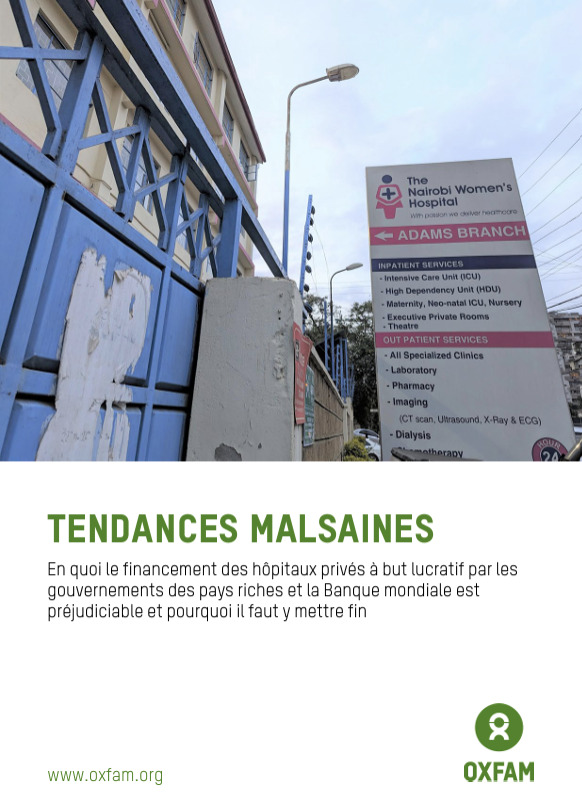
- For further information, see the report « Sick Development »https://www.oxfam.org/en/research/sick-development
- For further information, consult the Sick Development podcast https://feeds.acast.com/public/shows/64ba9507e0e71800115c2a65