The end of 2023 in the Democratic Republic of Congo was marked by tumultuous presidential elections. As politicians prepared for the election campaign the Southern Star (EDS) had already launched an innovative popular democracy initiative with its Popular Electoral Committees (CPP) and its youth movement.
We asked Billy Mwangaza and John Volume, one president and the other member of the EDS youth movement, to talk to us about the work of Etoile du Sud during this unusual period and their views on these elections.
Can you briefly describe the political landscape during the election campaign in the DRC?
Billy Mwangaza: The election campaign is a crucial time for democratic life. It is a period for challenging candidates and proposing ideas to them. In the Democratic Republic of Congo, the campaign has been turbulent. On the one hand, the presidential majority, united in the Sacred Union, wanted to run for a second term, despite previous achievements that have not yet had a visible impact on the health of the population. Several programmes, such as free maternity care and free medical care for part of the population, had been put in place to satisfy political interests in the run-up to the elections.
On the other hand, the political opposition has failed to present a clear programme, raising doubts about its ability to lead the country. These doubts have been reinforced by accusations made by the majority regarding incidents of looting involving the opposition and armed groups, which have been causing grief in the country for decades.
The election period should also be a time for reflection and dialogue between the public and candidates on the changes they want to see. Can you explain how Etoile du Sud approached this opportunity?
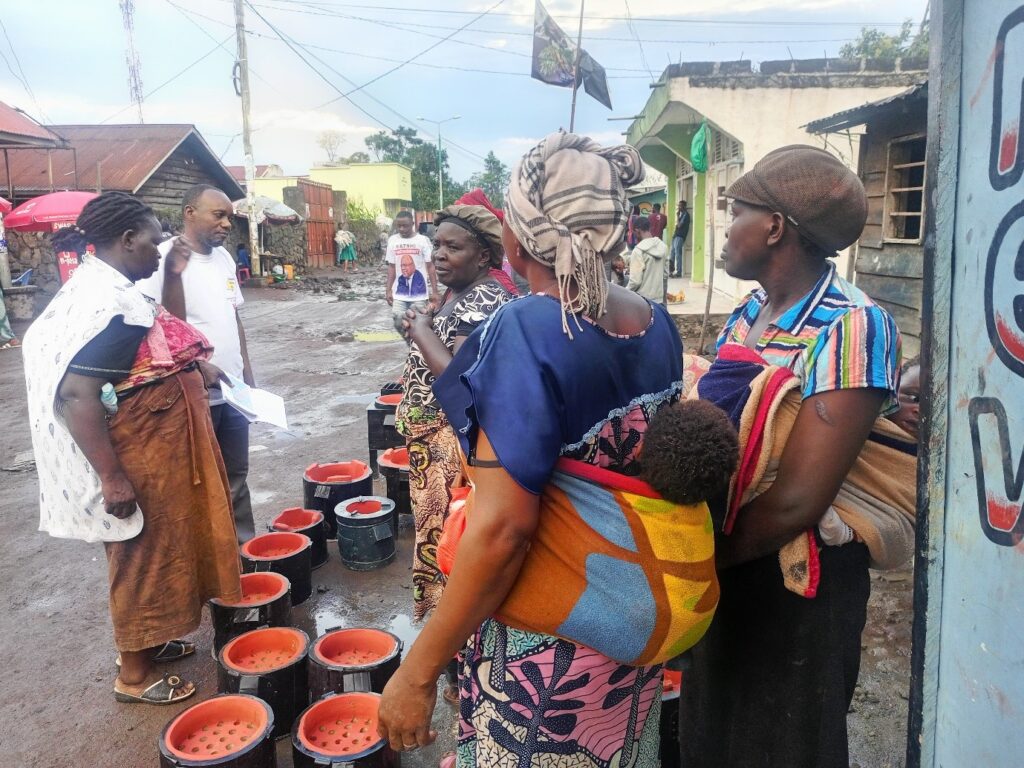
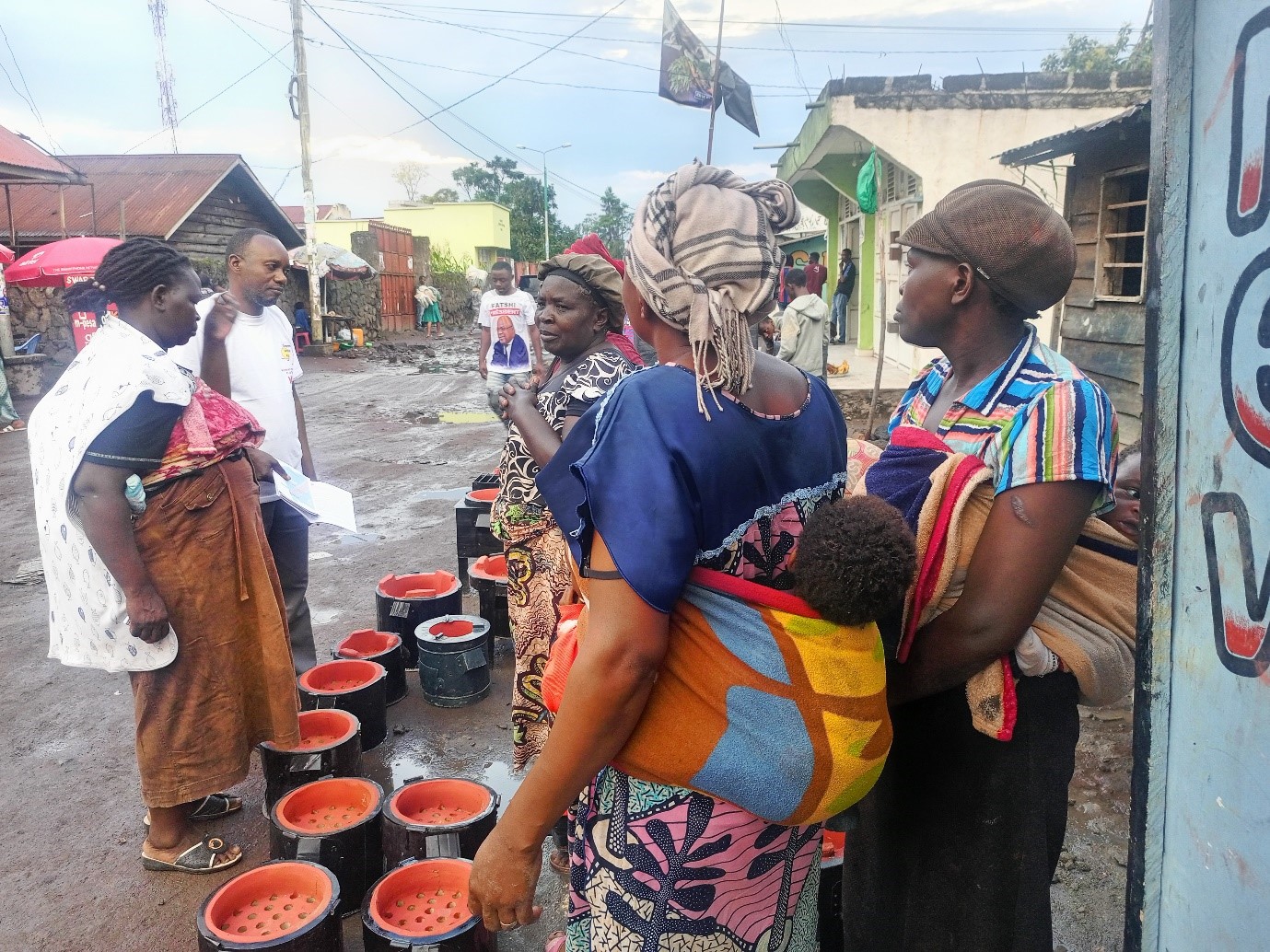
Billy Mwangaza: The Southern Star launched «Popular Electoral Committees» through its grassroots structures to inform the population about citizen oversight of candidates« programmes and strategic voting. For example, from 18 November to 18 December 2023, in addition to activities with grassroots structures, the youth movement launched an «Intensive Electoral Education Programme in Preparation for the Elections".
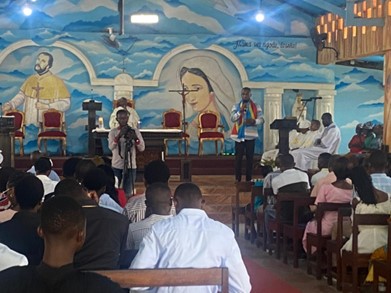
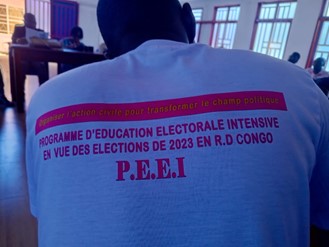
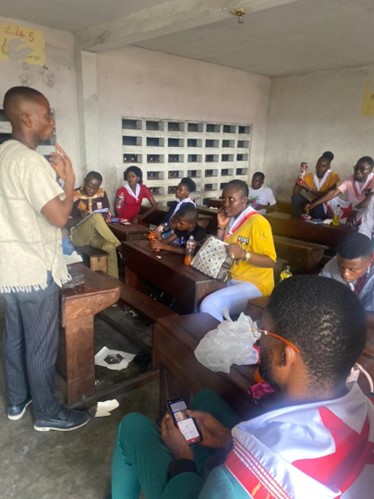
This programme aimed in particular to raise awareness among members of Catholic and Protestant churches about the importance of asking the right questions and challenging candidates. In North Kivu, this programme reached 21 communities of the Church of Christ in Congo (ECC) and 43 Catholic parishes in Kinshasa. In each of these parishes, a group of five people was created to raise awareness.
Proud of this awareness, Étoile du Sud wanted to contribute to the emergence of a responsible political class, capable of working for the good of the population, for the right to health and the social determinants of health.
Several reports have indicated that the voting process was chaotic.
Billy Mwangaza: On 20 December 2023, elections were held in the Democratic Republic of Congo for the presidency, national, provincial and local offices. The CPP was dismayed to learn of several violations of electoral law, particularly regarding the duration of the elections and the use of voting machines in the homes of certain politicians. This manoeuvre allowed candidates to stuff the ballot boxes in order to obtain more votes. This is a serious anti-democratic practice that Etoile du Sud and health rights activists condemn.
The CENI published the results of the presidential elections, and these were confirmed by the Constitutional Court, declaring victory for the presidential majority led by Félix Tshisekedi.
What is the reaction of Etoile du Sud and its campaigners for the right to healthcare to the announcement of the election results?
John Volume: Activists remain confident despite the uncertainties. A period of active monitoring began immediately after the elections to ensure that the commitments made by elected officials are implemented. This period will aim to consolidate the achievements of the first term, which saw some encouraging actions to improve the health system in the DRC. These actions include the rehabilitation of several hospitals, the construction of health centres in 145 territories as part of the Local Development Project, and the development of the National Health Development Plan, which aims to strengthen the health system to improve the health and well-being of the most vulnerable populations, who are often affected by high mortality rates. Finally, Universal Health Coverage (UHC) has been introduced in Kinshasa as a pilot project, including free maternity care and care for newborns.
Health rights activists question implementation of Universal Health Coverage in other provinces as well as meeting the primary healthcare needs of other segments of the population.
Although some have contested the results of the presidential elections due to fraud, health rights activists accept the results in order to preserve what has been achieved, but remain vigilant and organise lobbying activities when necessary.