Being cat-called in the street or subjected to an inappropriate comment, being paid less for the same work, or even being murdered, simply because you are a woman. These issues, which we are all too familiar with here at home, are often even more prevalent in countries of the Global South.
One of the causes lies in brutal economic exploitation, from which a small local elite benefits whilst the rest of the population lives in poverty. Indeed, economic equality and gender equality almost always go hand in hand. The struggle for women’s rights cannot therefore be complete without an anti-imperialist perspective. Conversely, the struggle against imperialism is also a struggle for women.
Through Viva Salud, we support organisations that are standing up to this exploitation and defending the right to health. But without the necessary resources, it is impossible to wage this struggle. This is where we can play a part. Through our international solidarity, we help to give them the means to achieve victories.
That is why we are appealing to you today: make a donation Join Viva Salud and support those who are standing up for what’s right!
Across the Global South, women are taking action
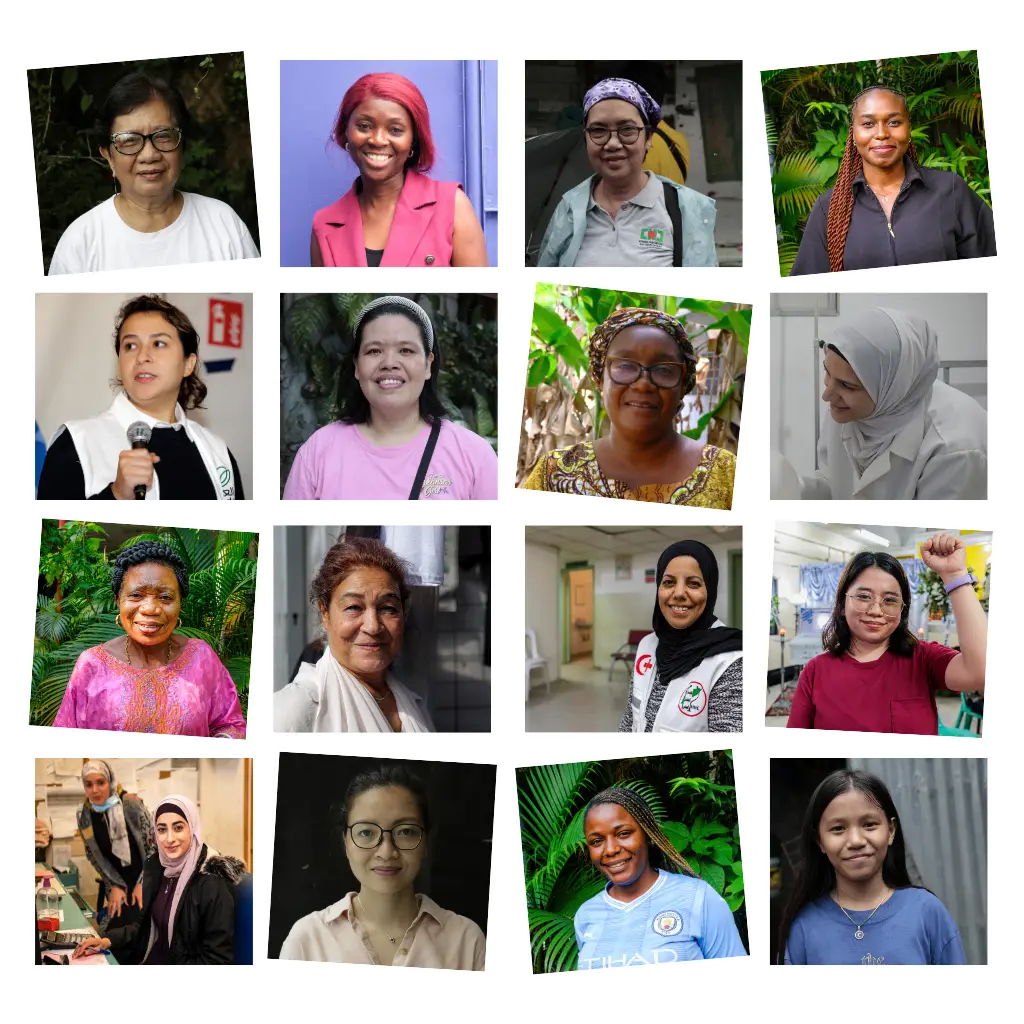
Viva Salud supports organisations in its three partner countries — Palestine, the Democratic Republic of the Congo and the Philippines — which share a common belief: the struggle begins on the streets, through collective organisation, and must tackle all forms of oppression.
In Palestine
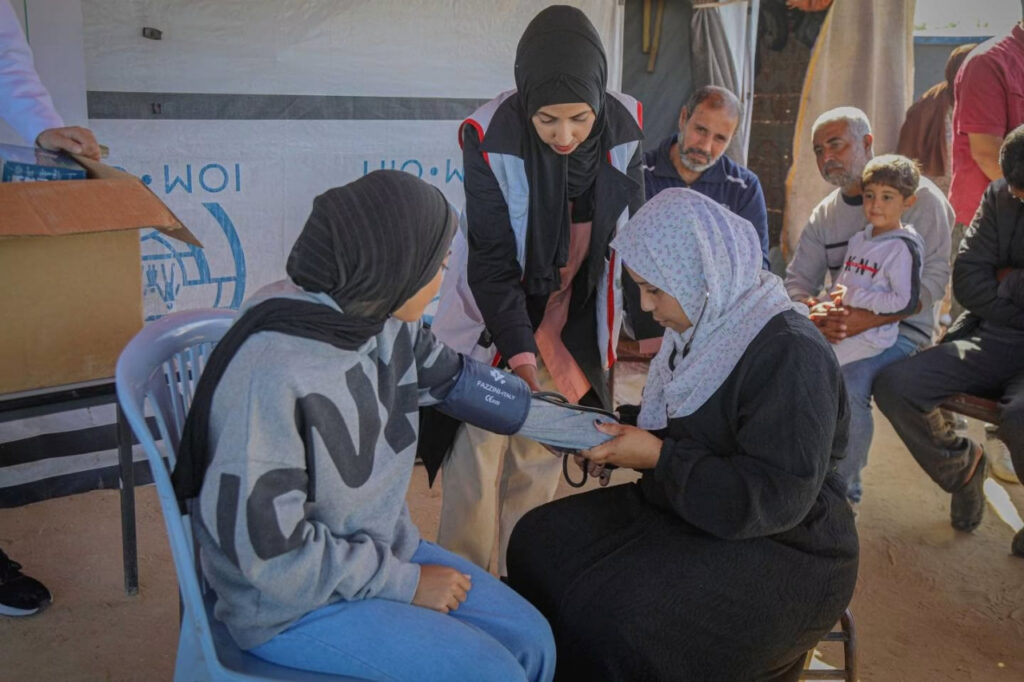
In Palestine, we support AWDA, which continues to provide healthcare in Gaza despite the genocide. As well as providing care in its clinics and hospitals, AWDA empowers women to take a leading role within their communities, to organise themselves and to take control of their own futures, whilst placing care and health at the heart of their priorities.
In the West Bank, Health Work Committees (HWC) carries out similar work, particularly in areas under Israeli occupation where traditional health services are unable to operate. The organisation also runs group sessions to help women overcome the violence they have experienced and learn how to cope with it.
Bisan, our third partner in Palestine, supports women’s organisations that create communal spaces to help people overcome trauma. The organisation also offers practical training to enable women to develop skills and generate their own income.
In the Democratic Republic of the Congo
In the Democratic Republic of the Congo, violence against women is used as a weapon of war.
Étoile du Sud (EDS) supports access to healthcare in conflict zones around Goma, where violence against women is particularly prevalent, as well as in five other provinces across the country, where it remains a major problem.
Through its community health committees set up in local neighbourhoods, EDS enables communities to organise themselves and take charge of their own health.
Si Jeunesse Savait (SJS) organises training courses for young people and sets up «gender villages» – spaces designed to raise awareness of gender and sexuality issues – using approaches tailored to the realities of local communities.
In the Philippines
In the Philippines, the fight for women’s rights is led in particular by the organisation Gabriela.
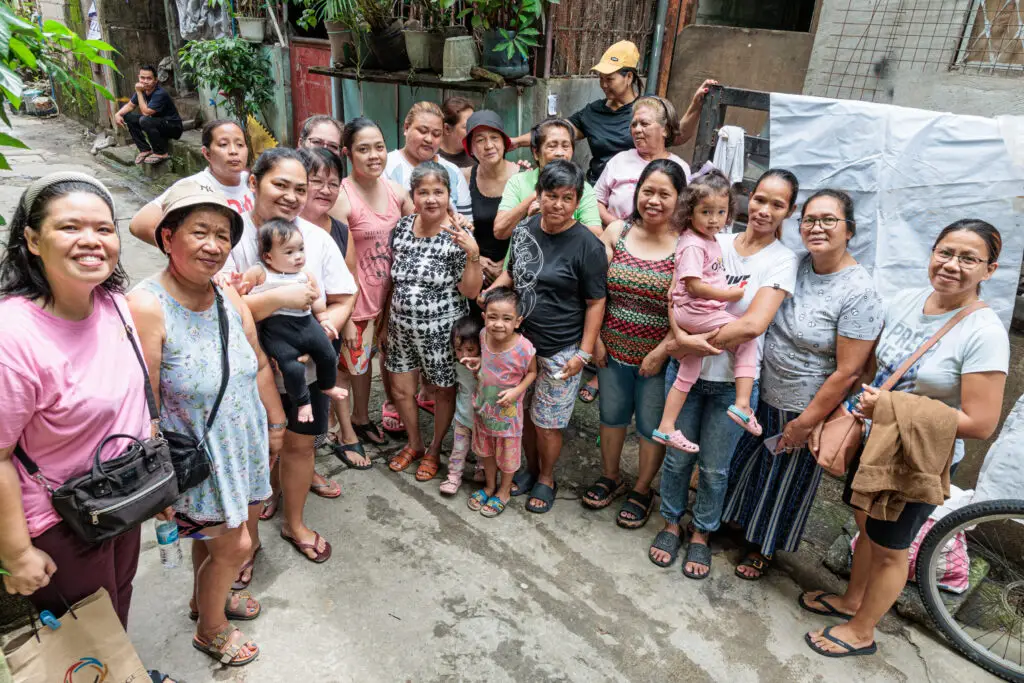
The economic dimension lies at the heart of her campaign. Women from working-class neighbourhoods are organising themselves within Gabriela to demand better housing that can withstand flooding, a higher minimum wage and better living conditions.
They also share practical and professional skills with one another so that they can generate their own income.
CHD’s work also helps to empower women. As well as providing basic healthcare, the organisation trains community leaders to deliver this care themselves and to pass on their knowledge to other members of their community.
Sexism: between discrimination and exploitation
It is important to understand the root causes of sexism.
Almost all women have at some point been accosted in the street or had to put up with an inappropriate comment, simply because they are women. Sexism sometimes manifests itself through these small, unpleasant and humiliating moments, which make you feel as though you are worth less than others.
Sometimes it takes a much more overt and brutal form: feminicide, that is, the murder of a woman simply because she is a woman.
These are the most easily recognisable forms of sexism.
But inequalities also manifest themselves in less visible ways. According to UN Women, women are also the first to suffer the consequences of climate change. They are, in fact, more often than men responsible for finding the food, water and fuel needed to run the household. When the ever-more intensive exploitation of natural resources contributes to climate change, it is therefore women who bear the brunt of the consequences.
Women are also more likely to live in poverty than men, which makes them more economically dependent on them. And this insidious, systemic and sometimes almost invisible form of oppression is, in itself, a form of violence. When a window is smashed during a riot, people are quick to calculate the material damage caused by this violence.
But when domestic workers are made redundant only to be rehired on a lower wage, do the financial losses they suffer not also constitute a form of violence?
When women are paid less for the same work, or when occupations predominantly carried out by women are systematically undervalued and underpaid, is this not also a form of violence? These two forms of violence – one explicit and visible, the other systemic and hidden – are not independent of one another.
A lower economic status within the family directly results in an unequal balance of power. A man with greater financial resources can more easily carry on with his life without his partner than vice versa. The woman then becomes economically dependent on the man.
In today’s society, this dependence contributes to placing women in a position of inferiority. And it is precisely this position that encourages more overt forms of violence.
According to the United Nations Office on Drugs and Crime (UNODC), around 60 per cent of murders of women are committed by people close to them, compared with just over 10 per cent of murders of men. Asserting one’s rights therefore becomes doubly risky: women are more exposed to repression, whilst potentially having more to lose.
Women won’t let themselves be pushed around
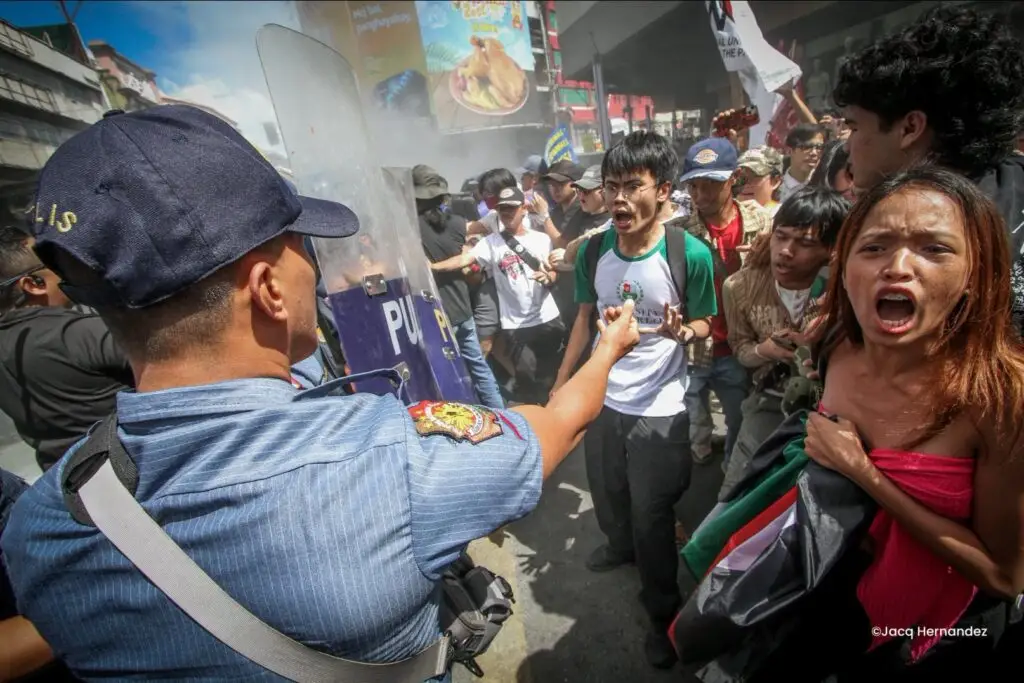
But where there is oppression, there is resistance. Despite the ever-present difficulties, women continue to resist and fight for their rights. They are fighting against the pay gap, against violence against women and against discrimination.
That is why the fight for women’s rights is being waged on many fronts: from demanding better pay and living conditions to training community leaders who can become health advisors.
Victories are won on the streets, through struggle. Nothing is handed to us on a plate. Women’s social struggle is no exception. Women share their knowledge and keep each other informed to better understand the causes of their difficulties. They organise collectively so that they can take targeted and sustainable action. By mobilising on a large scale and collectively, they exert constant pressure on politicians to bring about concrete change.
By passing on practical skills that enable them to generate their own income, they reduce their economic dependence and empower themselves. Even whilst enduring genocide, women are becoming community leaders and teaching one another how to provide basic healthcare.
It is not just a demonstration of courage and determination. It is also an act of hope and confidence in the future.
Support the women in the resistance!
The struggle continues. Through Viva Salud, we support organisations in Palestine, the Democratic Republic of the Congo and the Philippines that work tirelessly every day to defend women’s rights. And we have every confidence in their strength.
But without resources, this struggle cannot continue.
Thanks, amongst other things, to our international solidarity, we are giving them the means to continue their struggle and to achieve further victories together. That is why we are appealing to you today:
Make a donation to Viva Salud and support women in resistance!