For the time being, thehe number of infections and deaths due to Covid-19 in DR Congo remains lower than initially feared. Nevertheless, convincing people to protect themselves properly is a long-term project. The spread of the virus must be halted at all costs to avoid a health catastrophe. In a series of interviews, our partners explain how they are doing this, despite the many obstacles.
In addition to the problem of access to water, for many Congolese, poverty makes it even more difficult to comply with hygiene and sanitation measures.
How do you convince people living in poverty to apply prevention measures?
Sylvie Luzala, President of Etoile du Sud's national administration: «In the working-class areas where we work, poverty and other problems make it very difficult to convince people of the measures. How do you tell a woman, a housewife, that she has to stay at home if she has no valid reason to go out? It was difficult. The response was: «Why are you asking us to stay at home? How do you know I have no reason to go out? I only have my two arms to help my children and feed them. I have to go out every day to earn our bread.»
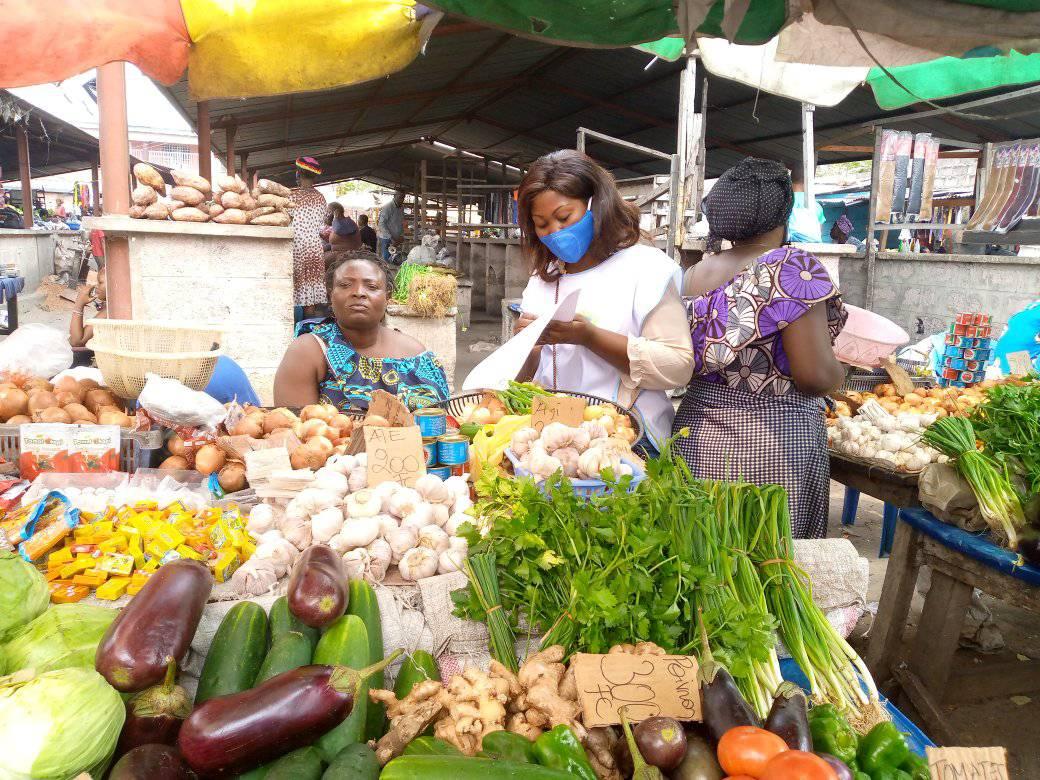
We had to use a number of tactics to help these people. Most of them are housewives, some are pregnant, others are ill or have numerous health problems. If they really had to go outside, we'd give them this advice: «Make sure you use hydro-alcoholic gel, wear your mask and make sure you keep your distance from the people you're talking to». And for some, that was impossible. So they say to you: «I sell at the market, how am I going to tell people to keep their distance?»
Are women at greater risk of infection?
«The women and girls are usually out and about. The boys stay at home because there's no school, there's no football. But the girls have to help their mothers go to the market, to buy or sell goods.
As an organisation with limited resources, we can't solve this kind of problem on our own. That's why, with our partner CODIC, we went to talk to the local authorities in Kintambo. We went to the markets and hospitals in Kintambo. There are so many people, so close together. It was as if the disease didn't exist and life went on as normal.