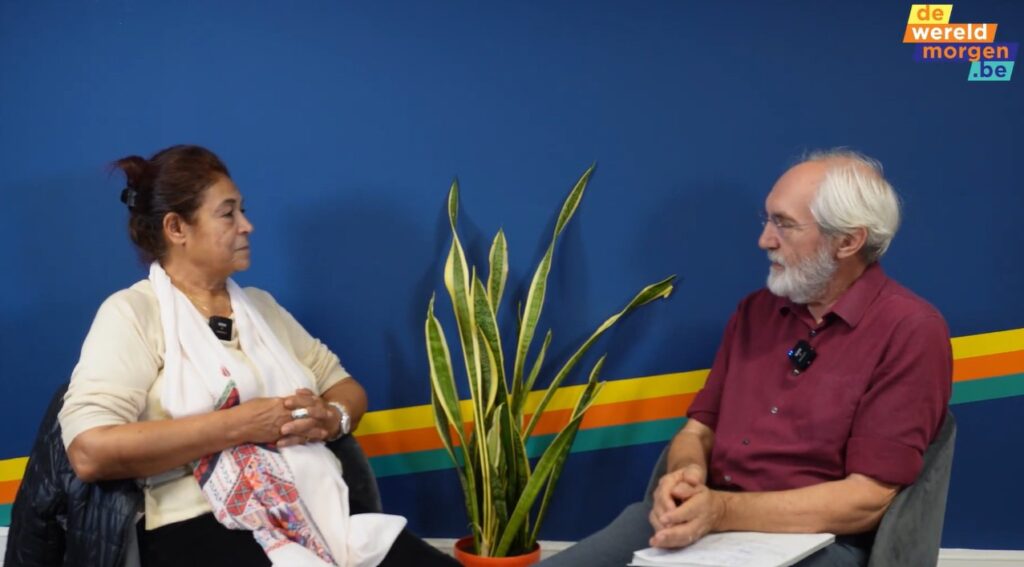
Aletha Wallace, a volunteer at Viva Salud, is active within the People’s Health Movement (PHM). In her professional capacity, she is responsible for quality control within supply chains in the pharmaceutical sector. She is also involved in various projects in her local community of Hoeilaart. In January, Aletha took part in the annual WHO Watch. Our policy officer, Jasper Thys, spoke to her about this experience.
Can you explain to us what WHO Watch is?
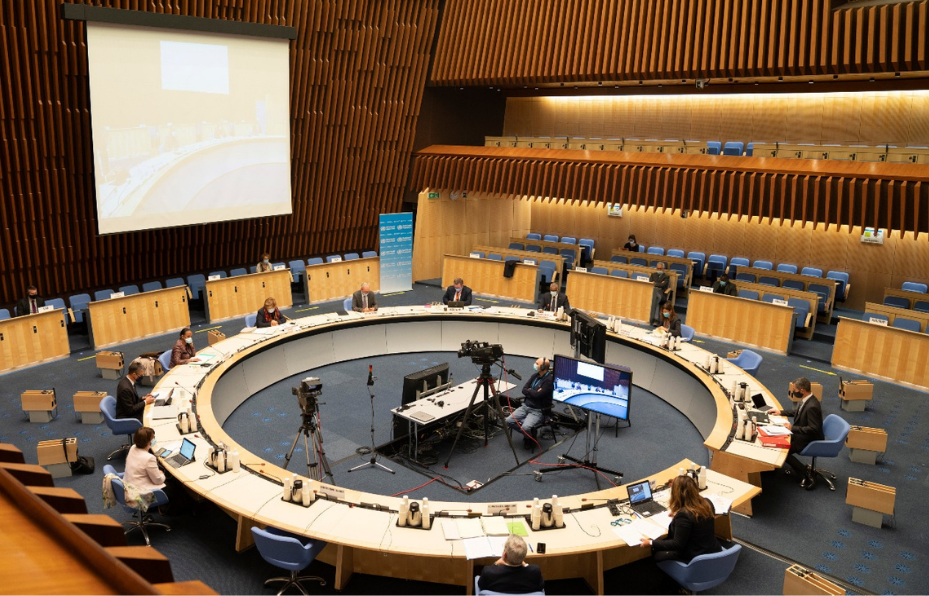
Aletha: “WHO Watch is an initiative of the People’s Movement for Health (MPS), which gives volunteers the opportunity to monitor the workings of the World Health Organisation (WHO), both during the World Health Assembly in May and at the Executive Board meeting in January. Our team attends the meetings and observes the debates. Normally, we would also have been able to speak to representatives of WHO member states in Geneva, but this year that was not possible due to the coronavirus. Based on our observations, we publish commentaries and draft policy briefs on the main items on the agenda. To run WHO Watch, the MPS collaborates with other organisations committed to making global health policy more democratic. The WHO Watch team provides the critical perspective of social movements and organisations on the work carried out by the WHO.”
Can you explain to us how the WHO is organised?
“The WHO comprises two main governing bodies: the General Assembly and the Executive Board. The former is a decision-making body in which all Member States are represented. It sets WHO policy, oversees the budget and sets the guidelines for the work of the Director-General, Dr Tedros Adhanom Ghebreyesus. The World Health Assembly meets every year in May. The Executive Board, meanwhile, comprises 34 member states elected for a three-year term. Its main task is to implement the decisions taken at the World Health Assembly. The Board meets every year in January.”
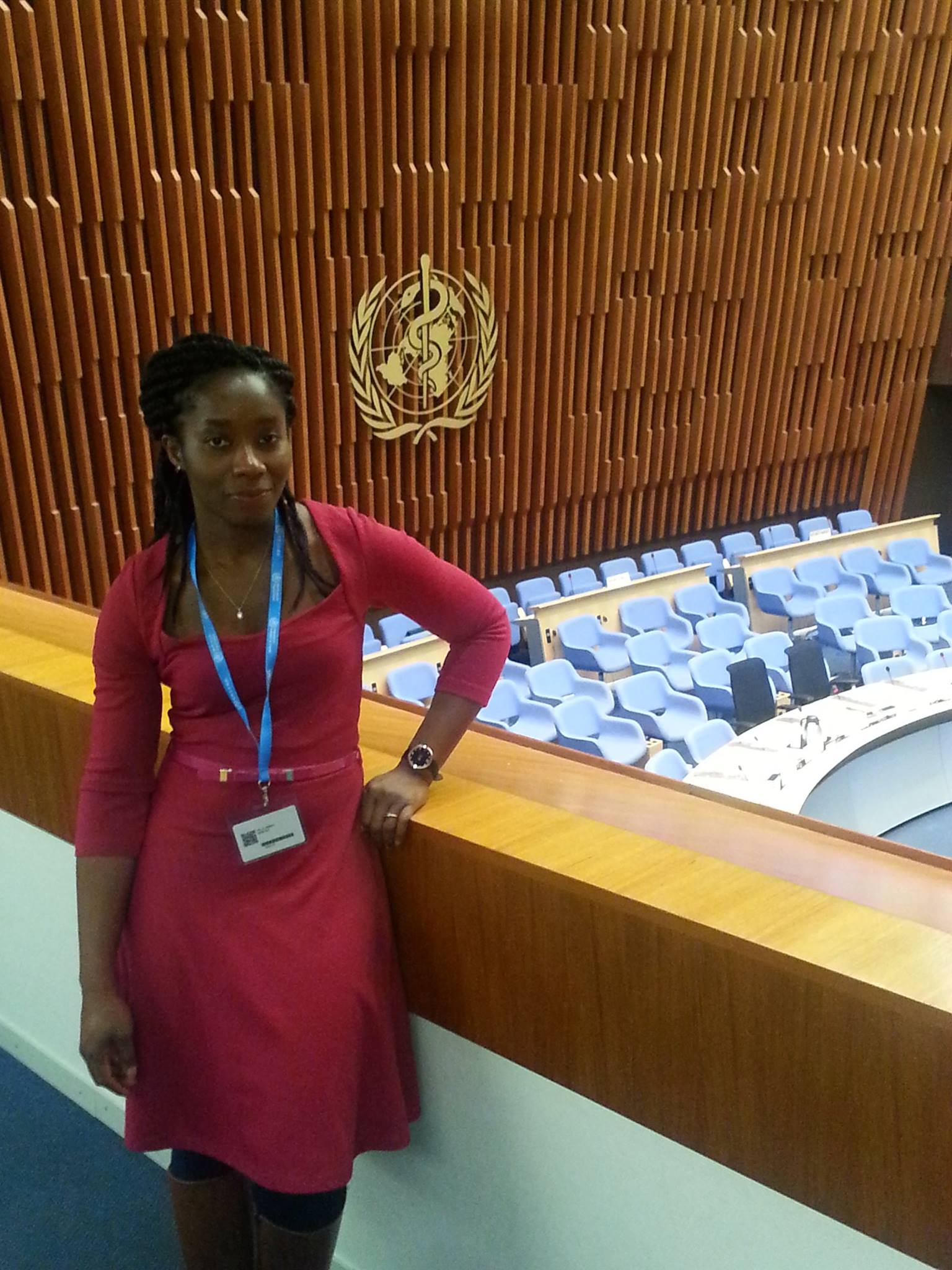
No. 148th The WHO Executive Board met from 18 to 26 January. What items were on the agenda?
“We are still in the midst of the pandemic, so the coronavirus was the main item on the agenda. We discussed, for example, the WHO’s response to this health crisis, how the WHO could be better prepared for public health emergencies, and how it could provide even better support to Member States. Mental health – both that of the general public and of healthcare staff – was another key point of discussion, as staff have been severely affected by this pandemic. The Nagoya Protocol was also on the agenda. It concerns agreements on the exchange and sharing of information and technologies that are important for health. Today, for example, we recognise the importance of distributing vaccines worldwide. There were, of course, other items on the agenda, such as WHO funding, patient safety, equal access to medicines and the «social determinants of health» – that is, the conditions in which people grow up, live and work.”
Has the WHO been able to fulfil its leadership role in international health policy?
“Some things went well, whilst others need to be reviewed. The Executive Board commended the WHO’s role during the pandemic in January. Member States were satisfied with the support they had received from the WHO over recent months to contain the crisis. Financial constraints have prevented the WHO from implementing all its objectives and projects. During the discussions, the issue of funding was raised to ensure that the WHO can carry out its work independently.”
The WHO does not always have sufficient authority to fulfil its leadership role. What is needed to strengthen the WHO?
“The WHO has a very broad programme but lacks the resources to implement it effectively. The budget has increased over the years, but there is a funding problem. Contributions from Member States account for only 17% of the WHO’s total budget. The WHO is free to choose how to allocate this portion of the budget. The remaining 83% consists of discretionary contributions, which the WHO cannot use as it sees fit. It is the donors who decide how their contributions are to be allocated. This prevents the WHO from implementing its projects independently. A working group has been set up to explore better, more sustainable funding for the WHO.”
What role should the WHO play in the global distribution of coronavirus vaccines?
“In his opening address to the Executive Board, Dr Tedros, Director-General of the WHO, strongly emphasised the importance of universal access to coronavirus vaccines. He went so far as to describe the situation as a moral catastrophe if no action is taken in this regard. In rich countries, nearly 40 million people have already been vaccinated, whilst in poor countries, barely 25 people have received a jab. This is why the WHO is involved in a series of initiatives to ensure the equitable distribution of vaccines. One such initiative is called COVAX; it aims to give all countries equal access to vaccines. The initial aim is to vaccinate all healthcare workers and vulnerable groups worldwide. However, as wealthy countries have bought up almost all the vaccines produced this year, it is very difficult for COVAX to achieve this objective. Low-income countries have asked the WHO to take action, but the WHO does not have sufficient power to compel wealthy countries to share their vaccines.
Now that new variants of the coronavirus are emerging all over the place, it is essential that vaccines are distributed fairly. Otherwise, the pandemic will last longer and claim more lives. That is why we, the WHO Watch team, believe that greater collaboration is needed within the WHO to overcome this crisis. It is in everyone’s interest.”
Sign the European Citizens’ Initiative
No one is safe until everyone has access to safe and effective treatments and vaccines. We all have the right to be protected. That is why Viva Salud supports the’European citizens' initiative which calls on the European Commission to do everything in its power to ensure that coronavirus vaccines and treatments are a universal public good, accessible free of charge to everyone.
> Sign the petition