Since the 1970s, there has been a government programme for primary healthcare in the Philippines: the Barangay Health Worker programme. However, the crucial role played by Barangay Health Workers is met with very little recognition.
In the late 1970s, the Philippines was one of the first countries to implement the Alma-Ata Declaration’s recommendation for primary healthcare. The country launched the Barangay Health Worker programme to bring healthcare as close as possible to the population, in small villages as well as in densely populated urban neighbourhoods, by providing them with basic healthcare. After more than four decades, the important role played by Barangay health workers is still barely recognised.
An important role
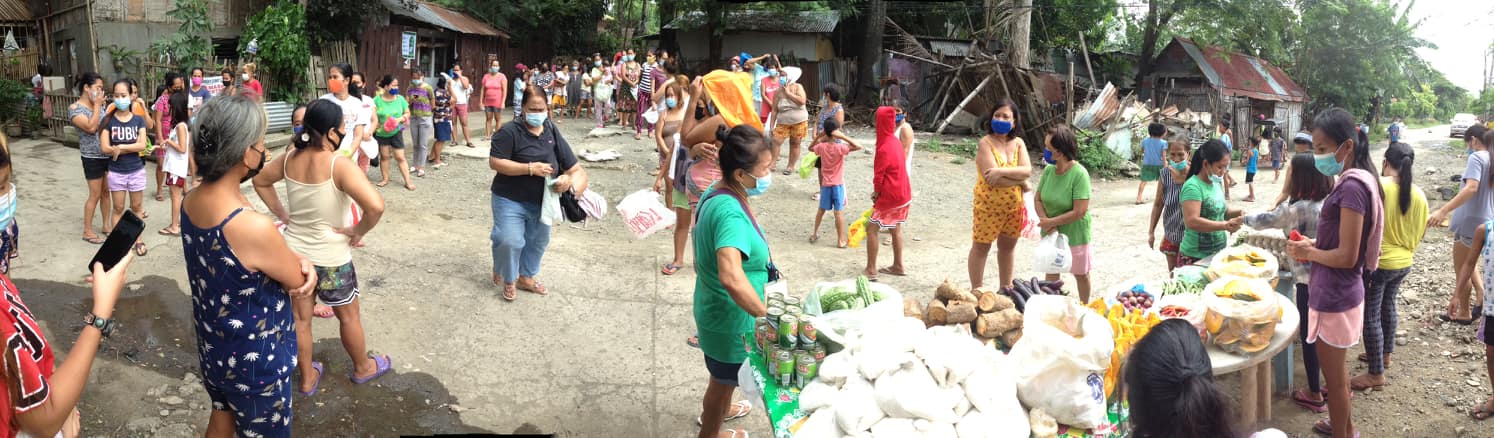
The public healthcare system in the Philippines has been in crisis for some time now. Healthcare workers on the Barangay programme therefore play an important role. They provide primary healthcare and help the local population to improve their health. During the coronavirus pandemic, their role came to the fore. Healthcare workers in the Barangay took the initiative to to provide care at home for Covid-19 patients and persuaded the public to get vaccinated. During the lockdown, He distributed food parcels and protective equipment. Despite this, his work did not attract much attention. Only hospital care staff were given credit.
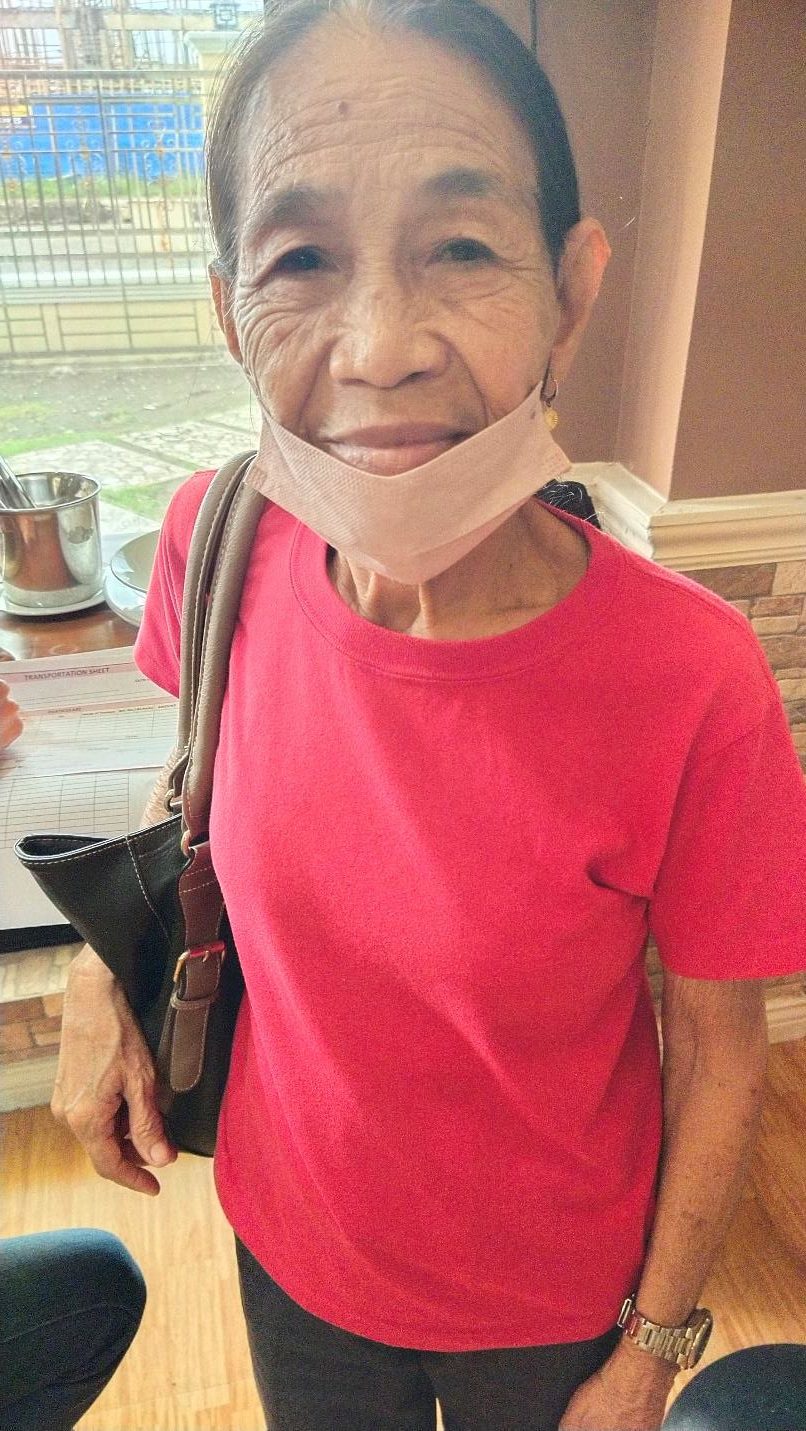
Elma Deanon has been a member of the Barangay healthcare team in Roxas City, in the province of Capiz, since the early 1990s. She has always been actively involved in her barangay (neighbourhood) and was therefore chosen to work for the Barangay programme. The residents knew her and trusted her, so they followed her advice closely, even during the pandemic.
«I was on the front line. Part of my job involved monitoring people coming and going at the neighbourhood checkpoint to help prevent the spread of the virus.”. One of my main tasks was to explain to people the nature of the virus and the hygiene rules. Some of the residents believed that the vaccine would turn them into zombies. So I explained to them why vaccination is important and safe.”
Workload
Barangay healthcare staff have a wide range of duties and responsibilities. Thus, they assist midwives and nursing staff in looking after the health of new mothers and their children. They are thinking about ways to improve hygiene in their neighbourhood, running vaccination campaigns and giving health lessons in schools.
«Keeping track of each family’s health is one of our tasks. We visit people’s homes to provide them with information about various illnesses. We also carry out surveys to identify which families do not have toilets or have to fetch water from deep, unsanitary wells. If someone falls ill, we accompany them to hospital or a health centre.»
Underpaid
Despite all their tasks and responsibilities, Barangay healthcare workers are regarded as volunteers. They therefore do not receive a fixed salary and are only entitled to a limited state allowance.
« We receive 25.77 euros per quarter from the barangay and 103 euros from the provincial administration. The local authority pays us 34.3 euros every six months. If a Barangay staff member fails to turn up for work, they are fined.«
Many Barangay healthcare workers also have an informal job. They often earn too little to support a family. «Some of us earn a bit of extra money by doing laundry or selling goods. For example, I go round the neighbourhood selling cosmetics.»
Inequalities between different barangays
Barangay healthcare workers in towns are often better paid than their counterparts in rural areas, due to the decentralisation of healthcare management. Management has been transferred from central government to local authorities. These authorities manage their own budgets. If they do not regard healthcare as a priority, Barangay healthcare staff feel the impact directly in their pockets.
Furthermore, It is local politicians who appoint Barangay staff. In many places across the country, healthcare workers in the Barangay is therefore not chosen on the basis of his qualities but on the basis of his connections with the barangay captain or the mayor of the municipality. Barangay staff therefore do not have permanent employment. If the barangay captain If they resign, they run the risk of being replaced.
«I don’t understand our government. Take our barangay, for example. Under the previous mayor, we had no problems with the supply of medicines because the mayor had a good relationship with our barangay captain. Now, the situation has completely changed because our barangay captain is not on good terms with the current mayor. This makes our work as barangay healthcare workers really difficult. Despite the vital role played by barangay healthcare workers, they are often exploited and discriminated against.«
«Staff members have left because of the workload and the lack of respect. Some people prefer to work as domestic staff or look for work elsewhere. Those who stay have to put up with the situation simply because there are no alternatives.»
A case for strong primary care
These organisations are highly critical of the government because it is increasingly involving the private sector in the healthcare sector. Consequently, a 2019 law on healthcare reform focuses primarily on health insurance. Too little attention is paid to the importance of the public sector in the delivery of healthcare. Meanwhile, Elma and other members of the Barangay healthcare staff are still waiting for a bill to be passed that will improve their working conditions. Health organisations continue to take action for better working conditions for Barangay staff and for strong primary care services.