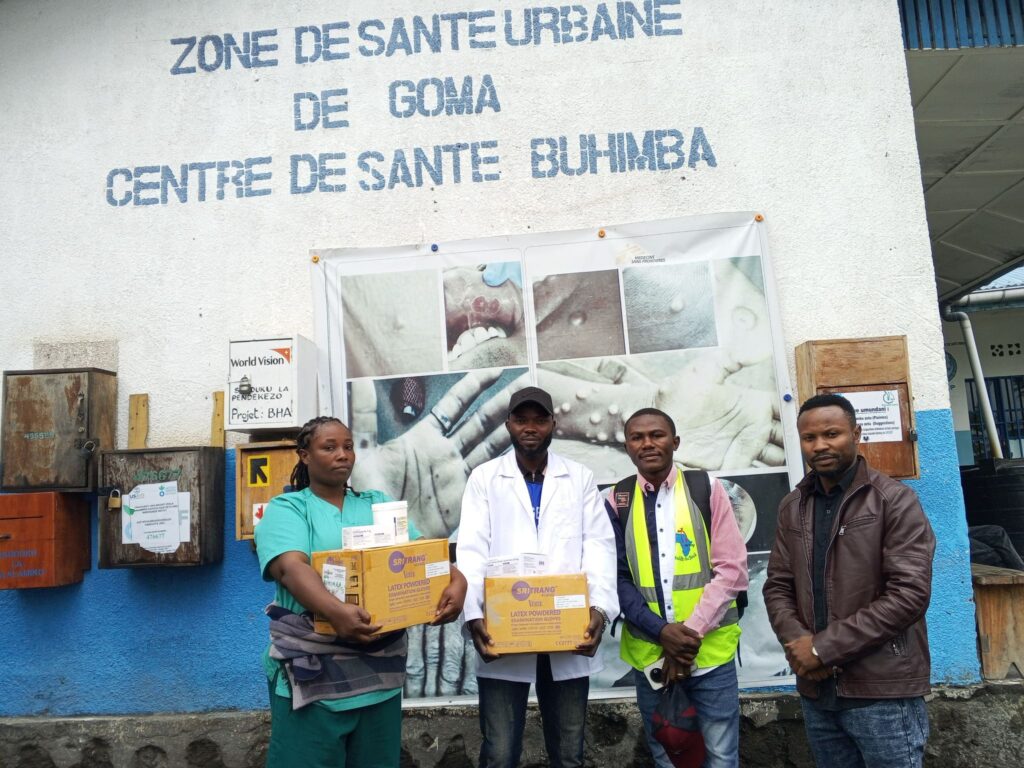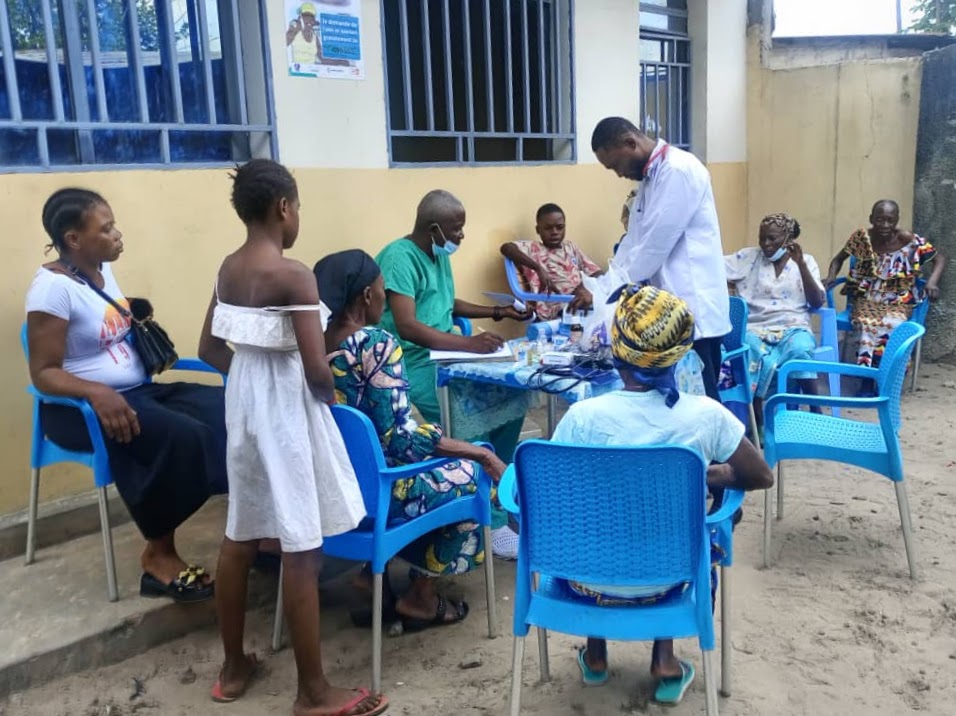
Southern Star (EDS) and Si Jeunesse Savait (SJS), two partner organisations of Viva Salud, conducted surveys of 1,330 healthcare workers in Kinshasa, North Kivu and Katanga in 2022 in the Democratic Republic of Congo. They interviewed doctors, nurses and pharmacists about working conditions in the healthcare sector.
An alarming staff shortage
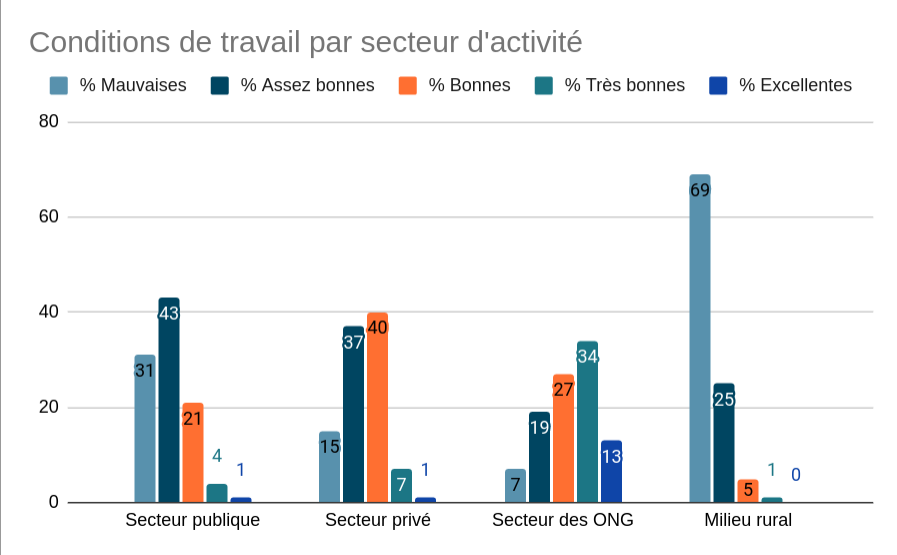
The survey aimed to identify the reasons for the numerous shortages of healthcare workers in the Democratic Republic of Congo (DRC). The survey revealed that 74 per cent of respondents reported that there is a shortage of healthcare workers with quality training in the country. In rural areas, this figure rises to 91 per cent. Working conditions in rural areas and in the underfunded public sector are undoubtedly the worst.. Working conditions in the NGO sector received the most positive assessment.
«Who would want to work in rural areas? Healthcare workers there work for virtually no pay. It's basically voluntary work.»
Testimonial from a survey participant
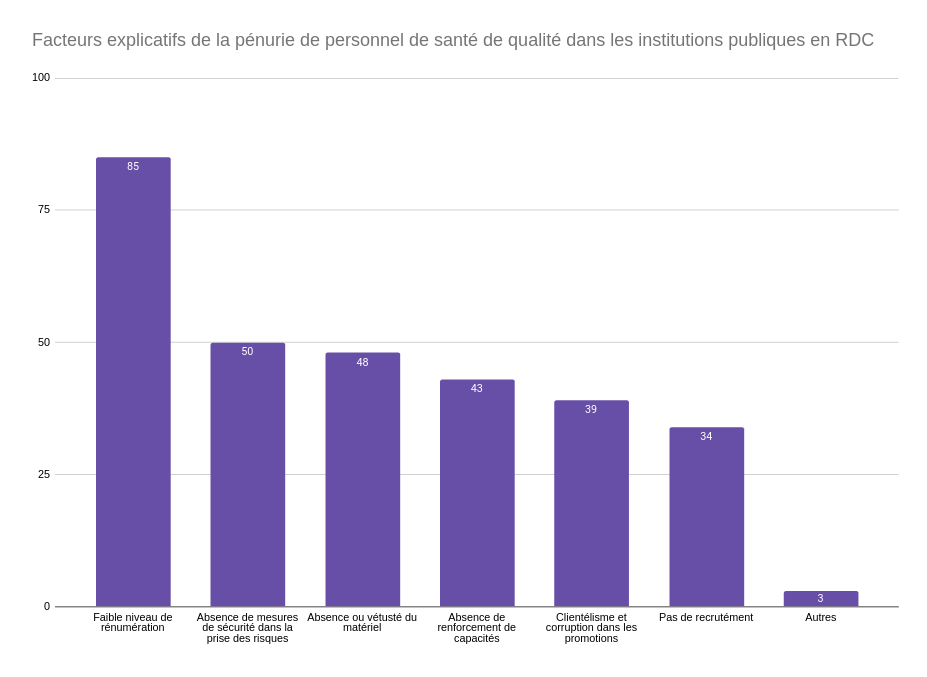
The Poor working conditions and low wages are considered to be the main factors contributing to shortages in the healthcare sector.. This is driving healthcare workers to seek employment abroad or in the private sector. One healthcare worker interviewed stated: «When healthcare workers choose to continue working for a public service, it is for reasons of job security. It is difficult for the government to dismiss someone.
But in terms of working conditions, living conditions and salary, the private sector, NGOs and the health sector abroad are doing better. As a result, there are far fewer properly trained health workers working for public services. And since the government is aware that it pays health workers poorly, it knows that quality checks are unnecessary« .
The lack of equipment and opportunities for further training were also cited as among the main causes of the problem.
«In rural areas, healthcare workers face many risks (particularly security risks) that the state does not compensate for.»
Testimonial from a survey participant
The considerable impact of the «brain drain»
EDS and SJS also addressed in their survey the issue of the consequences experienced by participants following the migration of carers abroad or to the private sector. 85% confirm a decline in the supply and quality of care in the public sector. This has significant implications for healthcare provision, given that private sector healthcare is more expensive and therefore only accessible to a small proportion of the population.
«Several qualified doctorsemployeesDue to poor working and living conditions, some doctors have left the state sector and set up their own private practices. They sometimes bring the best nurses with them.”
Testimonial from a survey participant
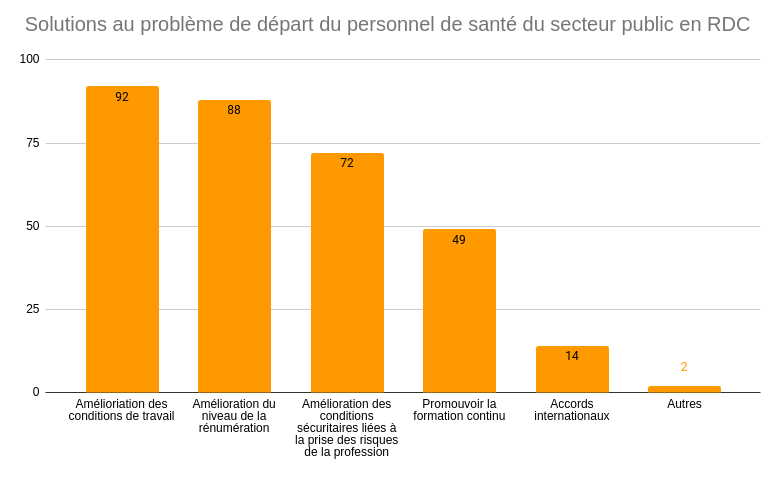
92% believe that improving working conditions would be a solution to this brain drain. Only 14% believe that international agreements could solve the problem.
Solutions still awaited
With the unions involved in the strike, EDS and SJS launched the online solidarity campaign “Mosalayamongasanténabiso” (“the work of health workers is our health” in Lingala). Through this campaign, they raised public awareness of the challenges faced by health workers in the DRC and strengthened support for their strike. It remains to be seen whether the campaign will be successful in the long term, but the organisations have already managed to get a response from the DRC’s Minister of Health.
The latter stated on Twitter that he would work on a solution, but so far no concrete proposals have been put forward. Healthcare workers continue to press for better working conditions in the public health sector so that the Congolese people's universal right to healthcare can be guaranteed.