Caregivers in the Philippines are fighting for a fair healthcare system while facing repression from the state, underlines a recent discussion by Viva Salud, Quinoa and ICHRP
This article was published on 20 September in People's Dispatch
In the Philippines, private interests outweigh public needs
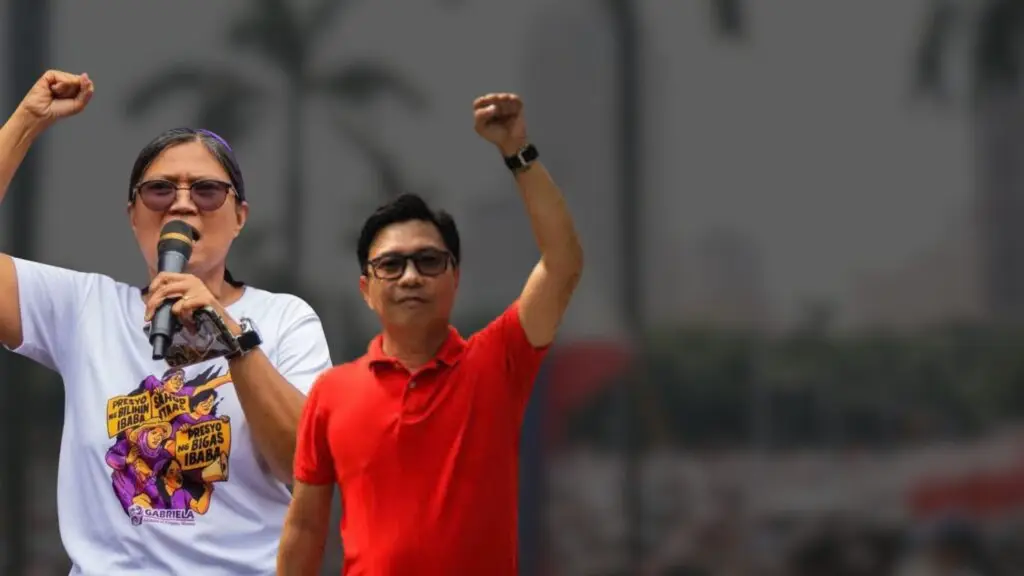
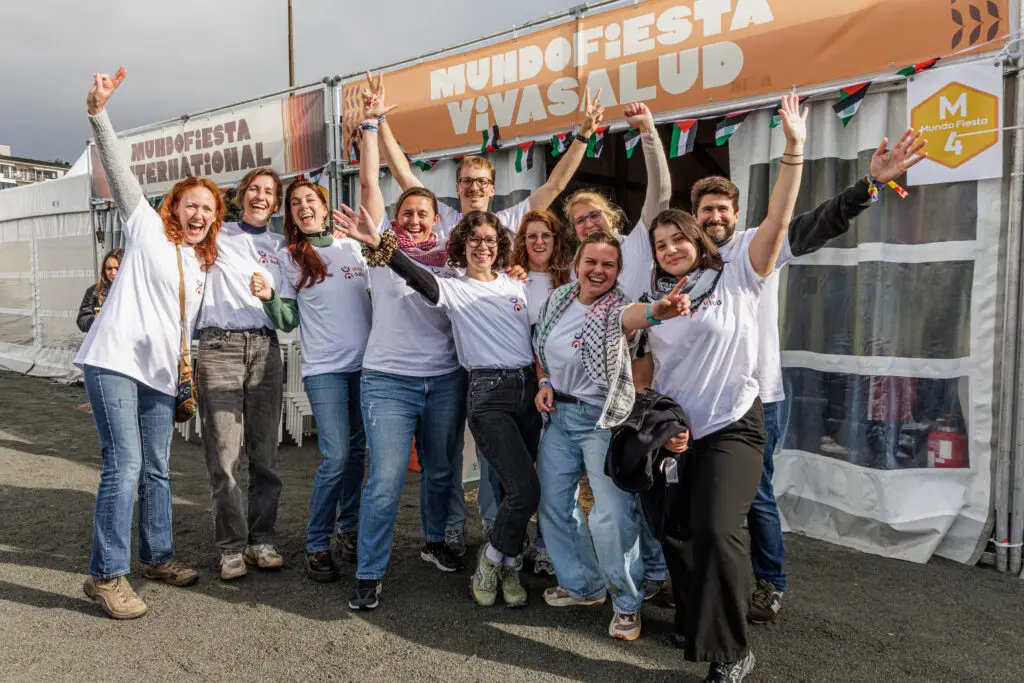
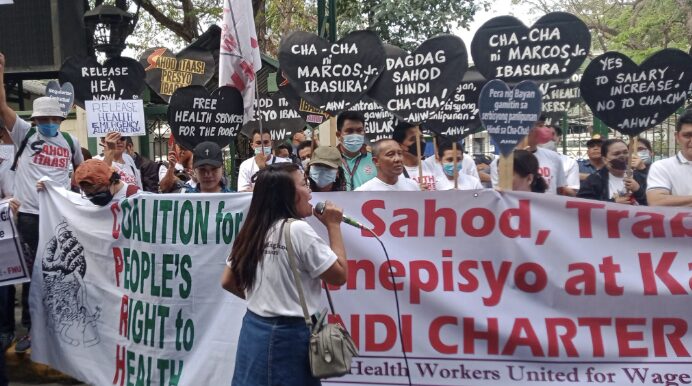
Healthcare workers in the Philippines are campaigning for a fair healthcare system in a context of systemic neglect and privatisation, while defending their democratic rights against state repression. A recent webinar organised by Viva Salud, Quinoa and the International Coalition for Human Rights in the Philippines (ICHRP) highlighted some of the issues they face on a daily basis.
Kat Berza, Director of the Advocacy and Research Department at the Council for Health and Development (CHD), underlined that despite the country's rich natural resources, 46 % of families are poor and healthcare remains largely inaccessible. In 2022, out-of-pocket healthcare expenditure accounted for 44.7 % of total expenditure, with average hospital bills reaching Php46,640 (around USD838), i.e. about three months' minimum wage. According to Kat Berza, this reflects a profound failure on the part of the government to ensure respect for the right to health and access to it.
Privatisation has made the situation worse: 66.4 % of hospitals were private in 2020. Private establishments often charge fees that are beyond the reach of most Filipinos. Public-private partnerships, encouraged by President Marcos Jr, further accentuate the marketisation of healthcare by serving private interests to the detriment of public needs. With only 5 % of the national budget allocated to health, the government's commitment to providing accessible healthcare is woefully inadequate.
Repression against healthcare staff
Healthcare professionals are fighting not only for an accessible healthcare system, but also for their rights. They work in underfunded and understaffed establishments, with low wages (Php 13,000, or USD 233), well below the average wage of Php 36,480 (USD 655).. In addition to poor working conditions, these workers face state repression because of their activism.
In the Philippines, activists are often labelled as terrorists or insurgents because they are working to bring about a profound change in the system. This harassment exposes carers to surveillance, arrests and, very often, violence.
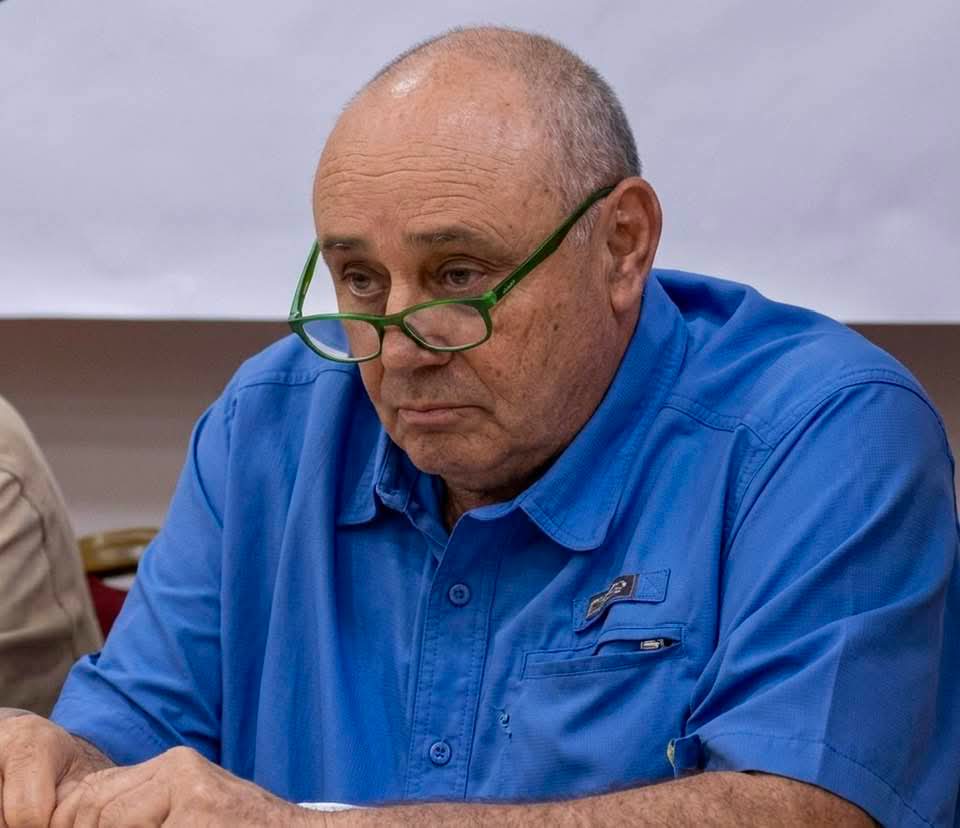
Dr Oliver Gimenez, known as Dr Ogie, is a clear example of the serious risks faced by community doctors in the Philippines. As a health worker with the Visayas Primary Healthcare Services (VPHCS), Dr Gimenez trained community health workers from various backgrounds, filling the gaps left by government neglect.
His commitment was not limited to medical care, but also addressed the root causes of social injustice. Working with the Community Empowerment and Resource Network (CERNET), he was committed to tackling the systemic issues that contribute to poverty. However, in May, CERNET was accused of funding terrorism under the Anti-Terrorism Act, a law increasingly used to suppress opposition to state policies. This false accusation led to the freezing of CERNET and its partners' bank accounts, crippling their ability to reach marginalised communities.
This repression of grassroots organisations like CERNET is a deliberate attempt to create a climate of fear, This violates national and international human rights standards and deprives poor communities of crucial support.
Lobbying for systemic change
The resistance of healthcare professionals and rights organisations in the Philippines bears witness to the ongoing struggle for systemic change on a global scale. CHD and other groups are building alternative health systems through community programmes, with over 70 initiatives training more than 10,000 community health workers. These programmes not only meet immediate health needs, but also enable communities to combat systemic inequalities.
Their fight is not just about improving healthcare, but also about demanding a fundamental overhaul of a system that prioritises profit over people. Advocates like Dr Gimenez are demonstrating the essential role of healthcare professionals in promoting greater social justice.
People's Health Dispatch is a bimonthly newsletter published by the People's Health Movement and People's Dispatch . For more articles and to subscribe to People's Health Dispatch, click here. here.
Matilde De Cooman works at Viva Salud on the right to health and international solidarity. She is also an activist for Palestine and women's rights.