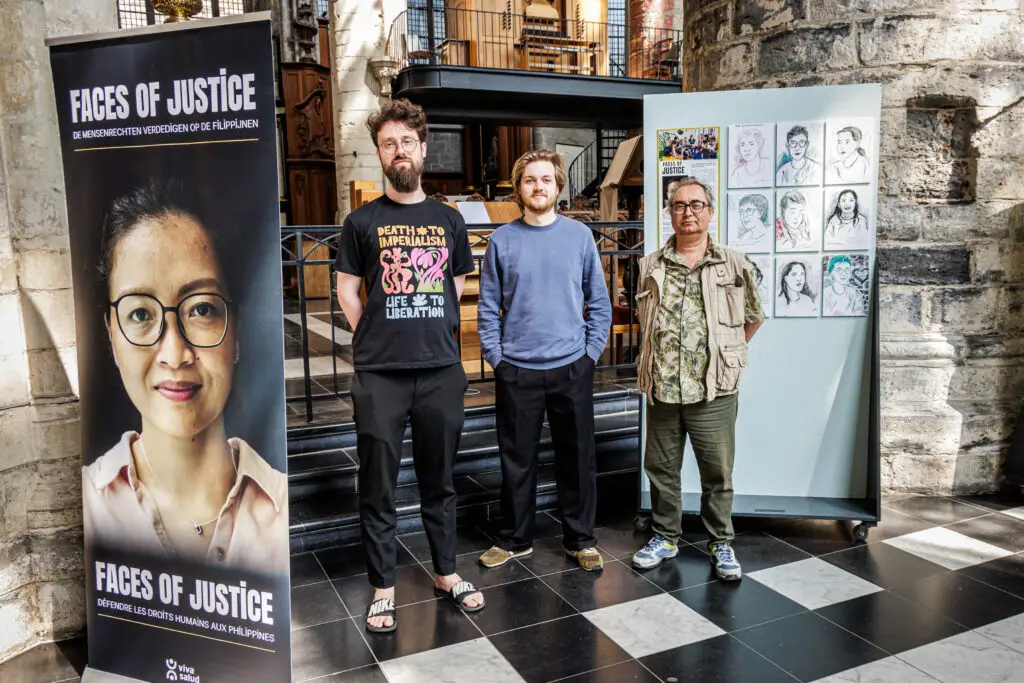
The exhibition “Faces of Justice”, which was on display last April at the Sint-Niklaas Church in Ghent, was organised by our volunteers Tinus, Léo and Erwin, and grew out of a solidarity trip. The trip they undertook to the Philippines in September 2025 with Viva Salud was to meet our partners, who are fighting for human rights in the face of oppression that is sometimes deadly. Together with six other participants, Tinus returned with images, portraits, testimonies and a firm belief: their struggle and ours are linked by the same system of oppression.
1. This exhibition grew out of last year’s solidarity trip to the Philippines with Viva Salud. Could you briefly explain what that is and why you went on this trip?
I had already been active in Belgium for about three years in organisations through which I took part in campaigns in support of Palestine and against the social rollback being carried out by the De Wever–Rousseau government. During that time, I always felt a great sense of solidarity amongst the people here, but also with people from the Global South who suffer under the same economic system.
I then discovered Viva Salud, which organises this solidarity in a very practical way through projects and partner organisations in Palestine, the Congo and the Philippines. When I learnt that Viva Salud also organised trips to meet activists there, listen to their stories, learn from their struggles and bring those experiences back to Belgium, I didn’t hesitate for a second to sign up for the trip to the Philippines.
2. If you had to name one thing you learnt from that trip, what would it be?
I didn’t know much about the country, but during those two weeks I learnt an enormous amount. What will stay with me the most is the resilience of the Filipino people. Their optimism, their belief in a better world and their determination to keep fighting under incredibly harsh circumstances. The repression of activists by the army and police is immense. Everyone knows someone who has been arrested or imprisoned, who has disappeared or even been killed. One moment I will never forget: a young activist who had tears in her eyes when I told her that I didn’t have to fear for my life when I went to protest. She couldn’t imagine such a thing. Their activism is truly a matter of life and death, and that is precisely why they are so resolute.
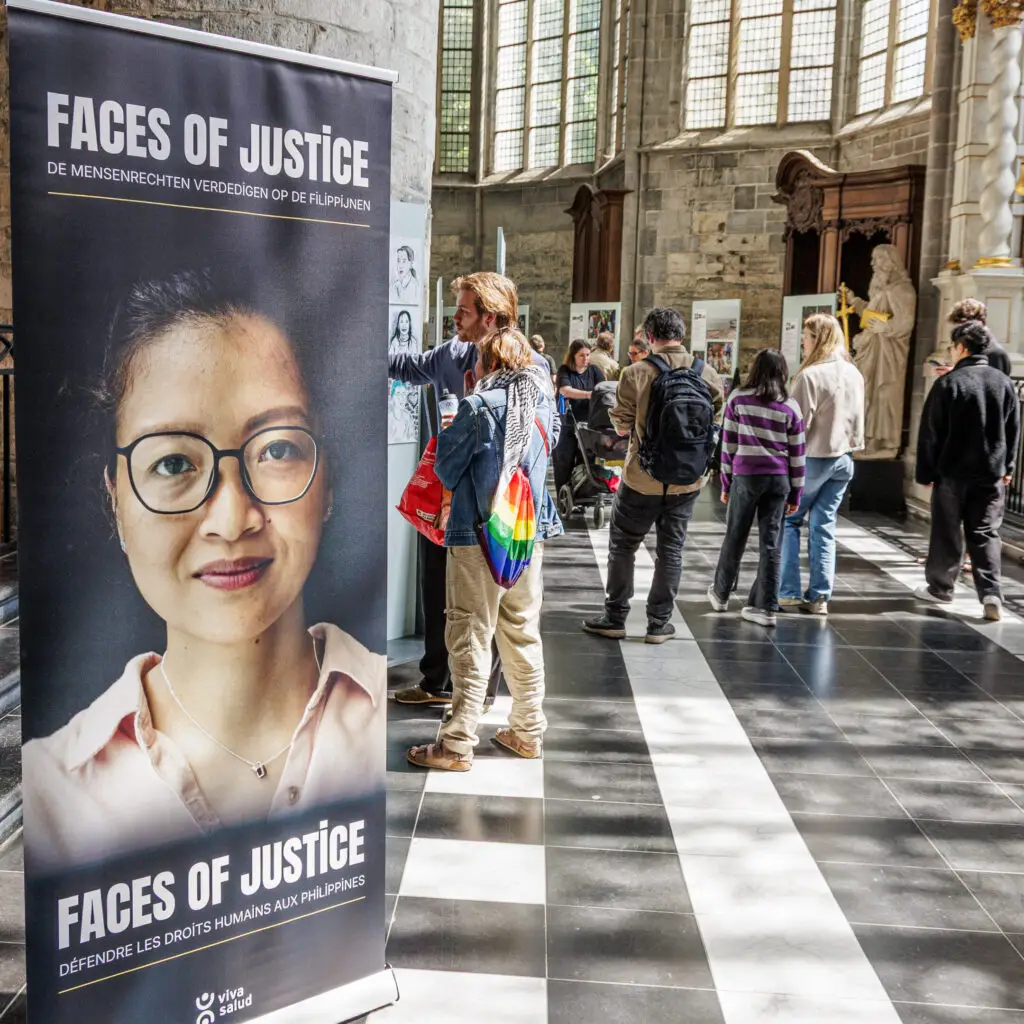
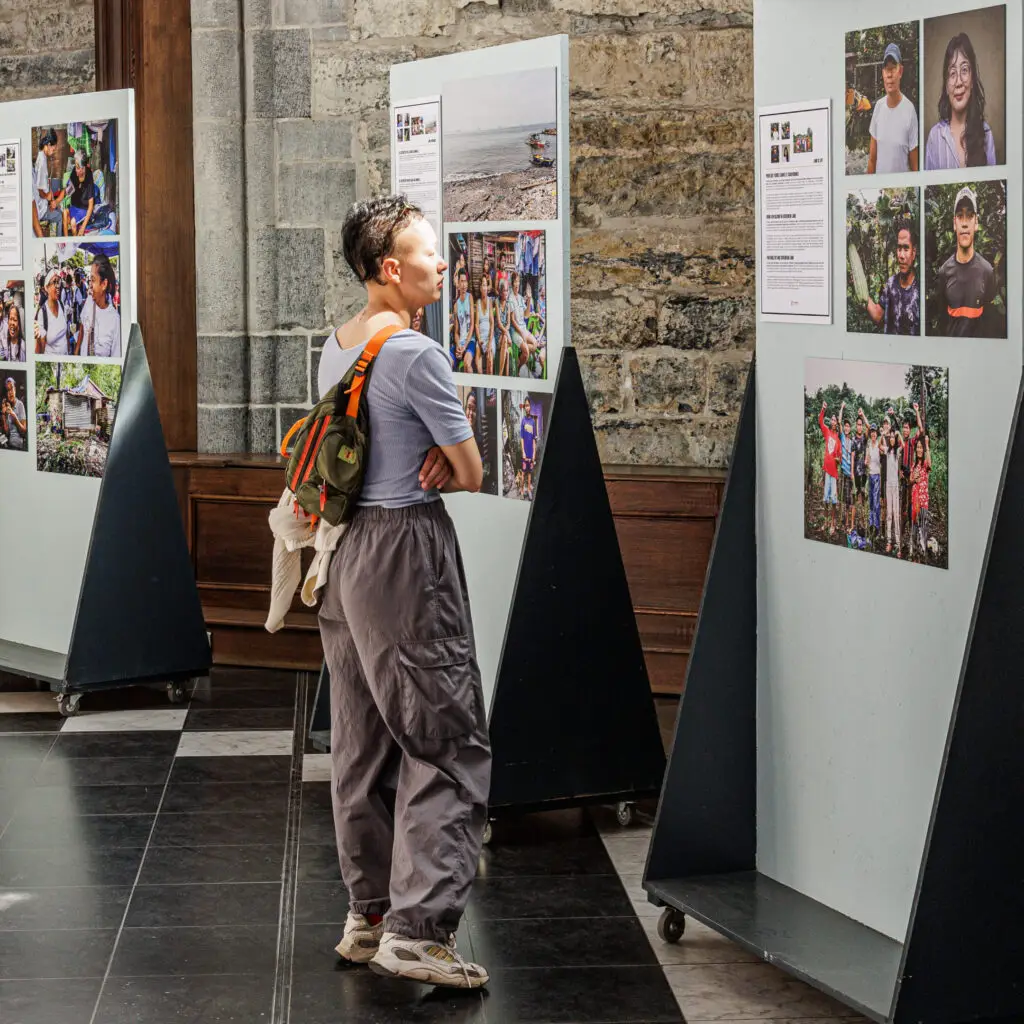
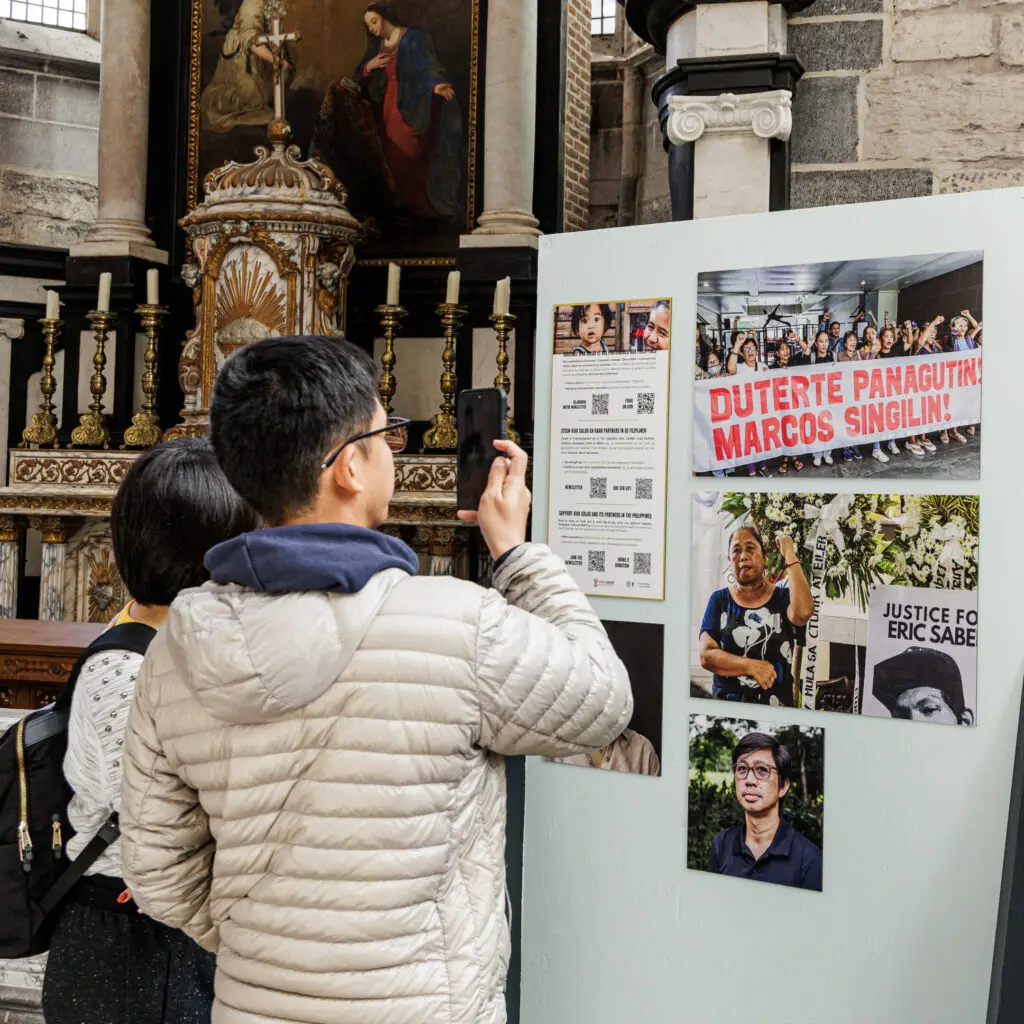
3. You organised this exhibition in Ghent together with Erwin and Leo — what prompted you to do that?
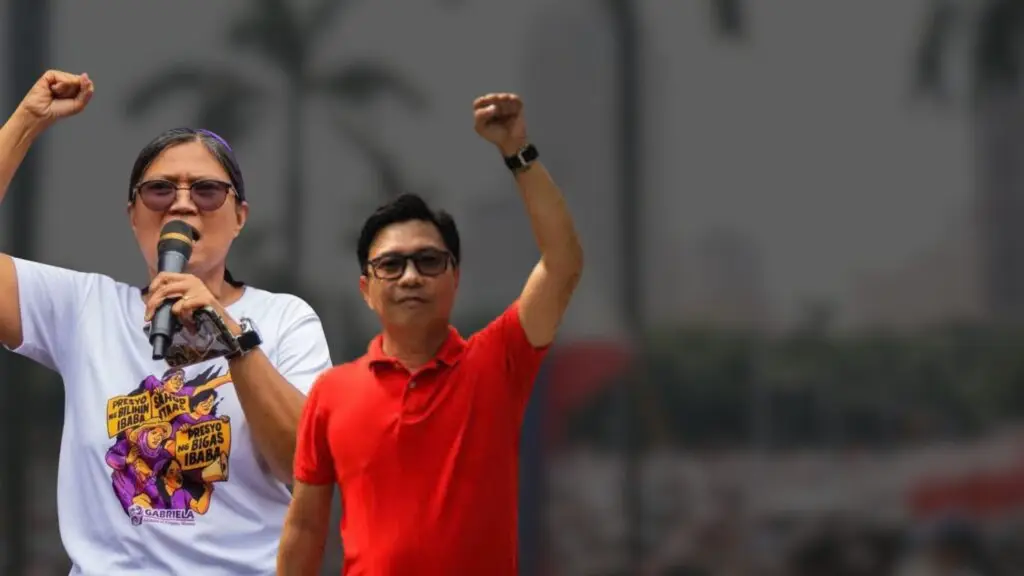
We really wanted to bring those stories from there to here. We spoke to women’s organisations (Gabriela), human rights activists (Karapatan), health workers (Council for Health and Development), researchers (IBON Foundation), trade unions, political prisoners, students… To all those people, we wanted to say: you are not alone. All over the world, we are fighting the same fight. We realised that this solidarity touched them deeply. And, of course, we want to raise awareness amongst people here — not only about what is happening in the Philippines, but also to inspire them to get involved here in building a better world.
4. It’s part of the solidarity trip, but the exhibition you organised is also linked to a fundraiser for Viva Salud’s partners in the Philippines. Why did you decide to do that?
Raising awareness is important, as is financial support. Viva Salud and its partners are carrying out truly vital work, and that obviously costs money. And we can all play a very practical role in this. Every euro supports wonderful organisations that provide healthcare to marginalised communities, empower women, offer legal assistance and much more.
5. What would you say to people who are reluctant to organise a fundraiser?
Just do it! It’s not difficult and you’re supporting a good cause. And it can actually be great fun too. At the end of January, for example, we organised a karaoke night to raise money. I think that’s just about every Filipino’s favourite pastime. Especially after a few San Miguels!