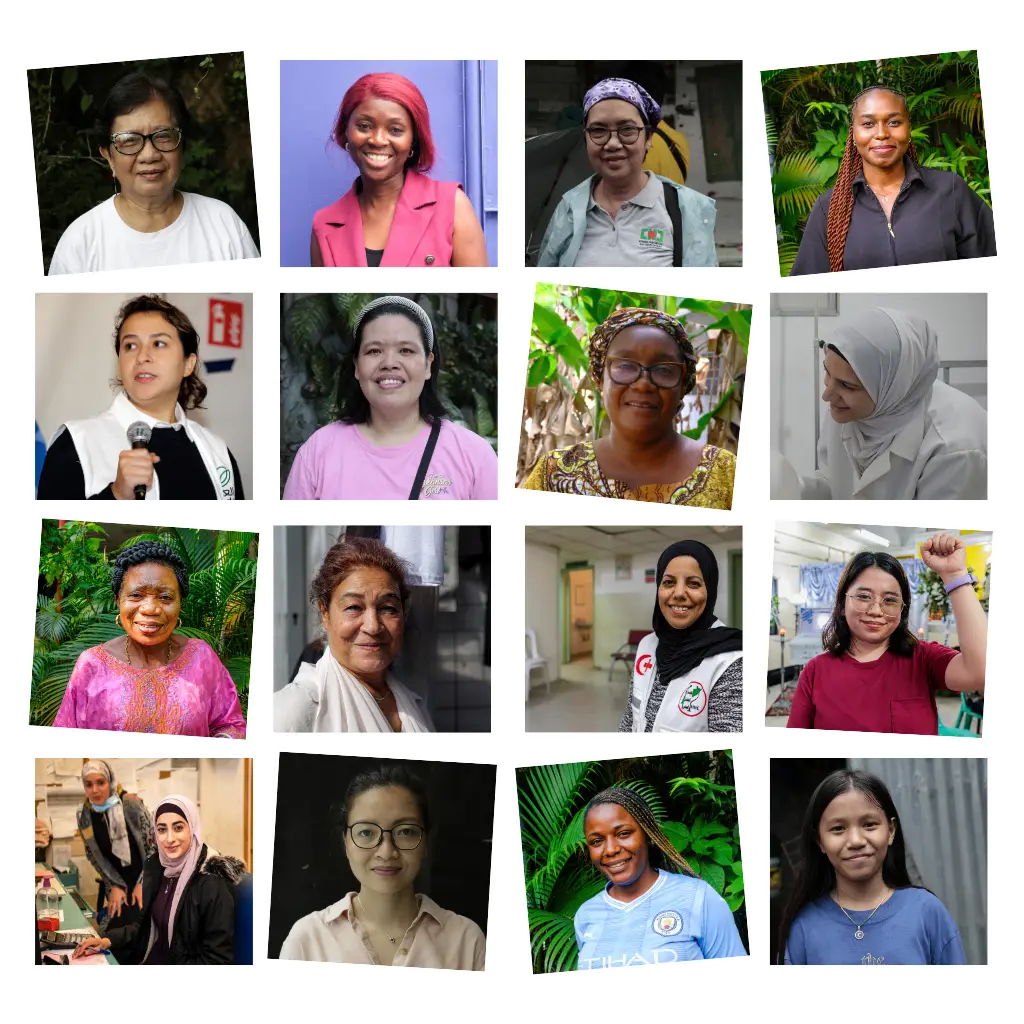
Young female activists
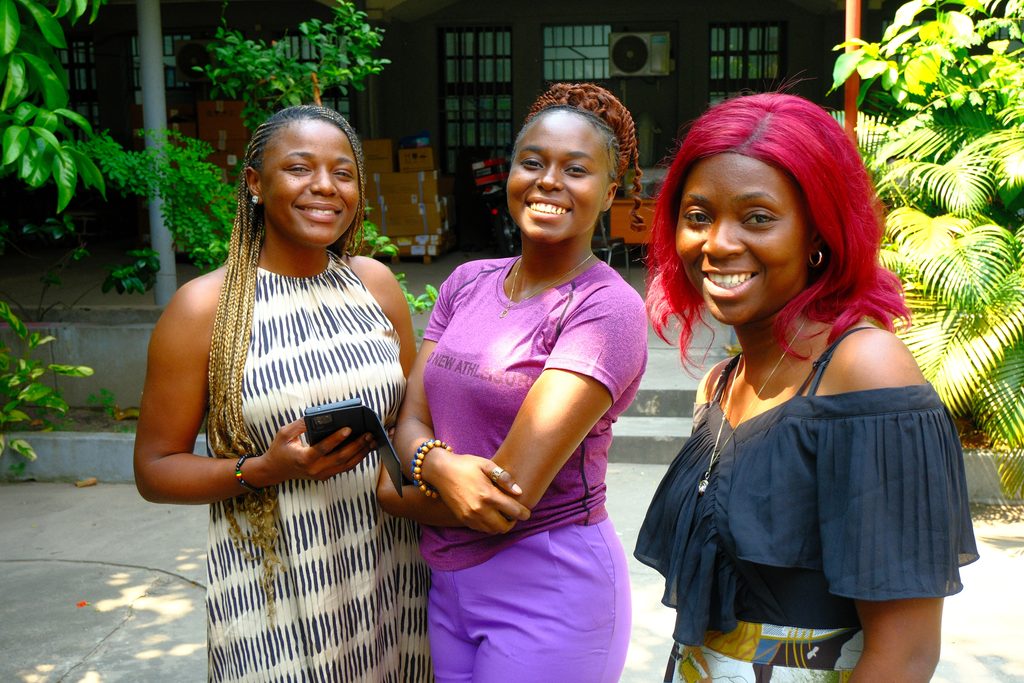
SJS was founded in 2004 in response to abstinence being presented as the only method of contraception and to virginity tests used to control the bodies of young Congolese women. More than 20 years on, hundreds of women in Kinshasa benefit each year from the organisation’s awareness-raising and protection initiatives. The team, made up overwhelmingly of women, has an average age of around 30. Activists, educators, communicators: for them, feminism is embodied in their day-to-day commitment.
«Feminism is not what the majority of Congolese society thinks it is. It is not about women being superior to men. Feminism is the recognition that women have the same rights as men. We are entitled to the same respect. Rights have no gender.» Evia Yalenga, Director of SJS
A battle against the tide
Resisting in Kinshasa means, first and foremost, empowering oneself in a challenging environment. Society there is deeply influenced by Christianity, and discussing sexual and reproductive health and empowerment is often perceived as an attack on moral values. From a legal perspective, few cases of sexual violence result in court proceedings: impunity, fuelled by cultural and religious resistance and an inadequate institutional response, remains a major obstacle for our partner.
According to UNICEF, more than 35,000 cases of sexual violence against children were recorded in the DRC during the first nine months of 2025. Kinshasa is no exception; poverty and school drop-out rates are exacerbating girls’ vulnerability. The reality is undoubtedly even more dire: at national level, only 14.9 per cent Women who had been victims of sexual violence sought help from health services, the police or the courts. “This figure can be explained, in particular, by women’s fear of being stigmatised, excluded or subjected to reprisals” explains Charlie, advocacy officer at Si Jeunesse Savait.
Faced with this silence, SJS has set up a freephone number (+243 840 114 114), a free and anonymous helpline for women who need support in dealing with violence or who wish to find out more about safe abortion. Nearly 600 women turn to SJS every year.
Bringing women’s voices to the highest levels of government
On this basis, the organisation documents the situation, lobbies the Ministry of Gender and mobilises support. Together with the Sexual Rights Initiative, SJS has submitted contributions at the DRC’s Universal Periodic Review before the United Nations, on gender-based violence and access to safe abortion. In her statement, she highlighted the contradictions between laws, policies and practices, in particular the criminalisation of abortion.
Her gaze also extends beyond the capital. In 2024, Evia Yalenga, executive director of SJS, told Viva Salud of her concern for women in the east of the country, where rape is used as a weapon of war:
«In Kinshasa, at least we are able to go about our lives freely, but there are regions where women have no access to education or entrepreneurship because of the wars. That is what motivates me to speak out on their behalf. The international community has a duty to protect displaced people and help them access basic services.»
To bring about a change in attitudes, SJS prioritises dialogue: the association works with other women’s organisations and also engages in discussions with traditional and religious leaders. « »We really want to bring about change from within. That is truly our aim: for women to be able to make their own choices about their health, their sexuality and their lives."
Equality starting at school
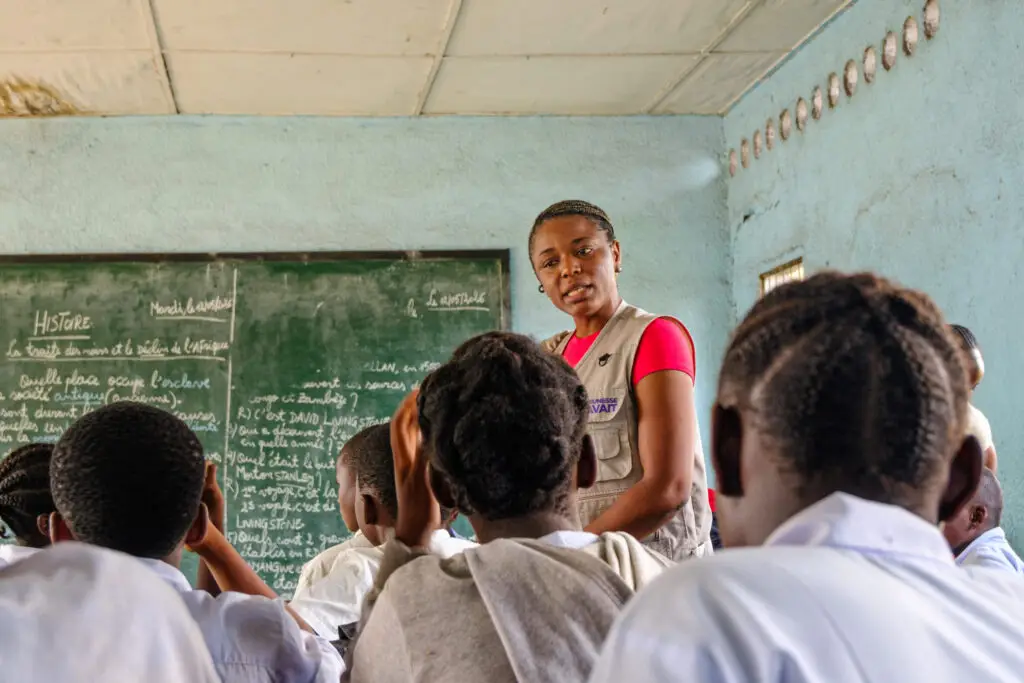
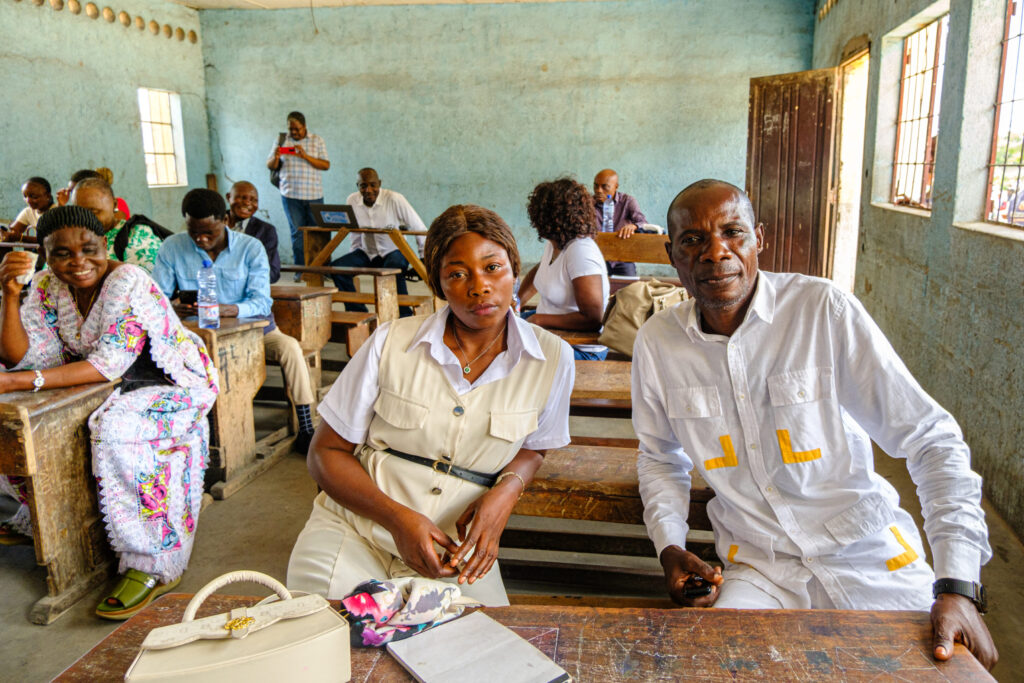
With the «gender villages», SJS has also made its mark in Kinshasa’s schools. This new project encourages pupils and teachers in Kinshasa’s schools to discuss tolerance, respect and equality between girls and boys from a very young age.
At present, they are working in six schools in Masina, a working-class district in the east of Kinshasa. « »You can sense that collaboration in the classroom is changing. It’s even sparking discussions within families about household chores and equality.” says Charly, advocacy officer at Si Jeunesse Savait.
The biggest obstacle remains the issue of sexual health. Awareness-raising takes place from Year 7 to Year 10. “We want children to learn to speak out gender-based violence on gender. We also run awareness-raising workshops on personal hygiene, on the transformation of the body and we extend this to ”sexual assaults, and respect for people’s bodies.”
Supporting those who resist
Jeunesse Savait is one of the community organisations with which Viva Salud partners in the Democratic Republic of the Congo. Along with our «Women Who Resist» campaign», it is all this support work and grassroots activity that your donations fund.