The international community has invested disproportionately in the Covid-19 vaccination campaign, to the detriment of alternative strategies and the strengthening of public health systems. Jasper Thys, Head of Policy and Campaigns at Viva Salud, argues for an approach that prioritises social justice.
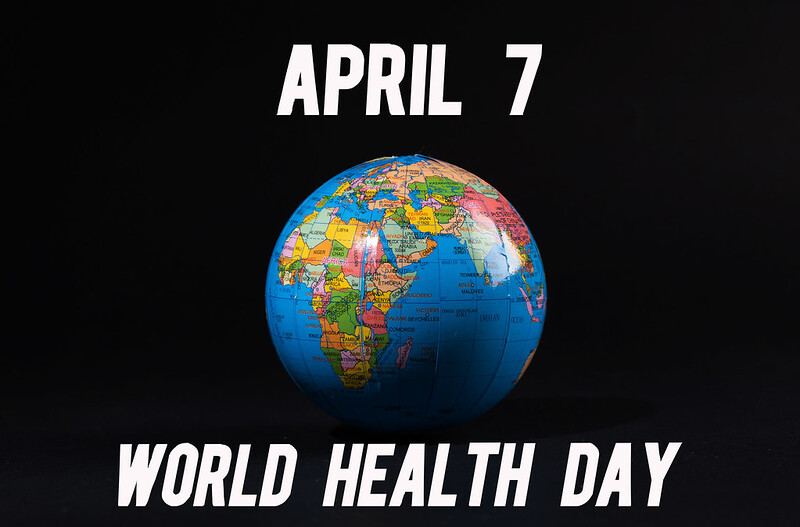
Today is World Health Day, 7 April. Every year, social movements, NGOs, trade unions and health campaigners raise their voices on this day to call for fairer health policies. This year, 7 April coincides roughly with the end of the coronavirus pandemic. At least, that's what the leaders of a limited group of countries around the world would have us believe. For while a number of rich countries are shamelessly announcing the end of the pandemic, they are at the same time continuing to obstruct global access to vaccines against Covid-19. This says a lot about the way our world works. And it raises many questions about the international approach to the pandemic. Was it a good idea to consider vaccines as a miracle solution to this crisis?
Mass mobilisation
In the first few months of 2020, there was an unprecedented mobilisation of resources to find a solution to the health crisis. In no time at all, governments have released billions of euros to speed up the development, production and worldwide distribution of vaccines.
Moderna, for example, has received a total of $10 billion from American taxpayers to develop its vaccine.1. Donations to COVAX, the mechanism for improving access to coronavirus vaccines in low-income countries, reached $13 billion in January 2022. These sums represent just a tiny fraction of the many billions that governments have paid to buy - let's be clear about this - life-saving vaccines.
The international community has invested a disproportionate amount of money in the Covid-19 vaccination campaign. But what has it achieved for us?
A smart investment?
Firstly, we still have a vaccination deficit worldwide. While in Europe we are being invited to a fourth injection, only 15 % of the population in low-income countries have received a first vaccine against the coronavirus. The risk of new variants of the virus therefore remains, and the pandemic is not yet over. Every day, some 5,000 people around the world lose their lives to Covid-19.
Secondly, millions of euros have been transferred from our social security system to the shareholders of the pharmaceutical industry. According to a study by Oxfam, our country paid €19.5 for a dose of Pfizer vaccine, The cost of production is less than €1.1. The CEOs of Pfizer, BioNTech and Moderna win together 100 million during the pandemic. At the same time, the challenges facing healthcare and healthcare workers remain greater than ever.
Thirdly, attention to other diseases has been relegated to the background by the emphasis on the Covid-19 vaccination campaign. This strategy is obviously not without risk. In many low-income countries, particularly in sub-Saharan Africa, diseases such as malaria, tuberculosis and HIV/AIDS hit the population harder than Covid-19. Instead of investing massively in a vaccination campaign against Covid-19, the money would be better spent on strengthening primary healthcare. In this way, all health problems can be tackled in an integrated way.
Making social justice a priority
Dr Tedros, Director-General of the World Health Organisation, said Vaccines alone will not bring any country out of this crisis«. So it's high time we took this advice seriously in the light of future health crises, and thought about a multi-faceted approach to the pandemic. Social justice must be a priority. After all, the greater the equality in a society, the better the health and general well-being of its citizens.2. Also, and especially, during a pandemic.
In their post-Covid-19 recovery policies, governments must therefore take numerous measures to eliminate inequalities. This can be done first and foremost by focusing on the needs of the most vulnerable groups. From the worker in the meat processing industry to the new arrival in a densely populated urban area. The coronavirus and health measures have hit the most vulnerable groups hardest. By involving social movements and civil society organisations more in health policy, the needs of these groups can be better met.
Furthermore, health must be taken into account in all areas of action. How can we ensure healthy working conditions? What kind of mobility policy will enable more people to get around? And how can we put healthier food on people's plates? Our health is determined 85 % by the environment in which we live, the quality and accessibility of healthcare and a number of other factors. other factors such as our income, level of education and working conditions. By paying preventive attention to health in different policy areas, we make society more egalitarian and more resistant to future epidemics.
Finally, we need to invest more resources in public health and work towards a strong primary healthcare system. This will improve working conditions for healthcare staff and make healthcare more accessible, more efficient and of better quality for everyone.
Only when these lessons are applied worldwide will health campaigners be able to celebrate World Health Day with enthusiasm and exuberance.
1 The company has now fully converted this amount into profits.
2 Richard Wilkinson & Kate Pickett (2009). The Spirit Level: Why more egalitarian societies almost always do better. London: Allen Lane.