Did you know that women account for 70 % of the total healthcare workforce? Among nurses, this figure rises to as much as 90 %. Furthermore, it is estimated that women carry out 76 % of all unpaid care work. And it is likely that this figure has risen during the coronavirus pandemic. Women are therefore the first to be affected by the severe staff shortages in the healthcare sector and other public services.
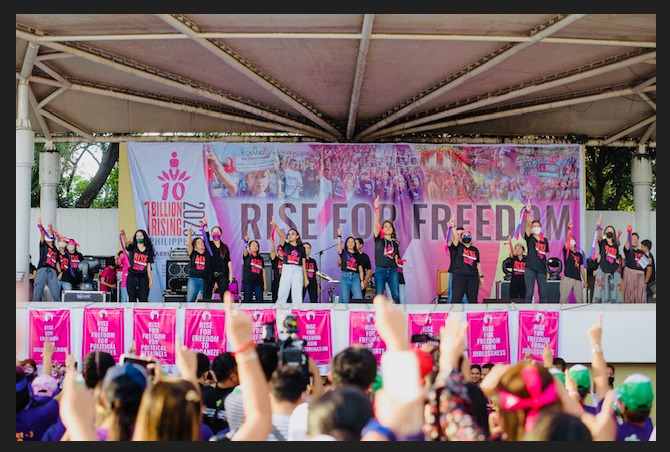
All over the world, social movements and activists take to the streets on 8 March to strengthen women’s rights. International Women’s Day was first recognised in 1910. Its origins are closely linked to the rise of the socialist labour movement. Two years earlier, 15,000 women had marched through the streets of New York to demand the right to vote, as well as better working conditions and higher wages in the textile industry. A hundred years on, the need to take to the streets remains as strong as ever.
We all know that women are still paid less than men, even when they do the same work. But the problem goes far beyond that. In Belgium, as well as in many other countries, Public services, such as healthcare and education, are facing significant budget cuts. Women are therefore more severely affected than men, and in various ways.
Women are losing their jobs
In the healthcare sector, women account for 70 % of the total workforce. Among nurses, this figure is as high as 90 %. Across all healthcare institutions worldwide, 69 % are led by men, and on average 80 % of board members are men. When governments cut healthcare spending, women lose their jobs.
At international level, the International Monetary Fund (IMF) and the World Bank have imposed strict lending conditions and austerity measures on low-income countries. As a result, in 2020, indebted countries spent up to 2.2 times more on their external debt than on healthcare. In some cases, this amounted to as much as 40 % of their total government budget. Consequently, they cannot invest in robust public services. This has a huge impact on gender inequality and on social inequality in general.
Unpaid care work
Women also do a greater share of the unpaid care work that is essential to the smooth running of the economy. Think of looking after children at home, cooking or cleaning. It is estimated that women do 76 % of all unpaid care work. And this figure has probably risen during the coronavirus pandemic. The services most used by women and other vulnerable groups are also the first to be cut. Take the example of childcare services in Belgium. When there is a shortage of childcare places or nurseries have to close due to a lack of staff, in most cases it is women who step in to look after their children. In practice, they are filling the gaps caused by cuts to public services.
| In addition to gender, discrimination based on social class, ethnic origin or sexual orientation also plays a role in the unequal impact of austerity measures and unequal access to healthcare. Taking account of all these different dimensions of inequality and the ways in which they intersect is known as «intersectionality» or «intersectional thinking». |
Inequality in access to healthcare
Finally, discrimination against women has a a negative impact on their access to healthcare. For example, gender stereotypes influence the way doctors treat illnesses and interact with patients. A 2018 study revealed that doctors often regard men suffering from chronic pain as «brave», whilst describing women as 'emotional». Many healthcare professionals who took part in the study believed that women were exaggerating their pain.
We can also take the example of the new abortion law in the United States. Millions of people in the United States are losing access to safe abortion care. Those most affected are women who are poor, young, Black, under-informed or who have experienced violence at the hands of their partner. These women are more likely to have an unwanted pregnancy, more likely to die as a result of pregnancy, and have the least access to sexual and reproductive health services. For good reason, Women are also under-represented globally among the political leaders who make decisions on health policy and the economy. Consequently, their interests are less well represented.
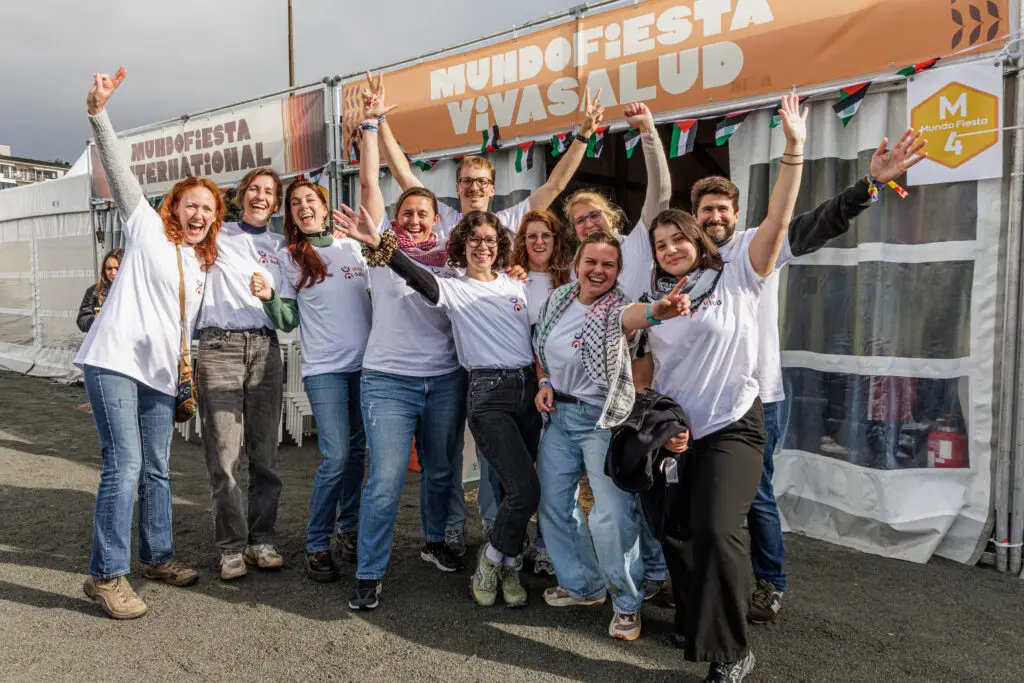
Viva Salud supports the collecti.e.f 8 March and the various events taking place across Belgium. We will be attending the demonstration in Brussels. Would you like to join us? Please feel free to contact marilyse@vivasalud.be. Can’t make it to Brussels? Protests are being organised across the country! See the website Check the collecti.e.f on 8 March to see what activities are being organised in your neighbourhood.