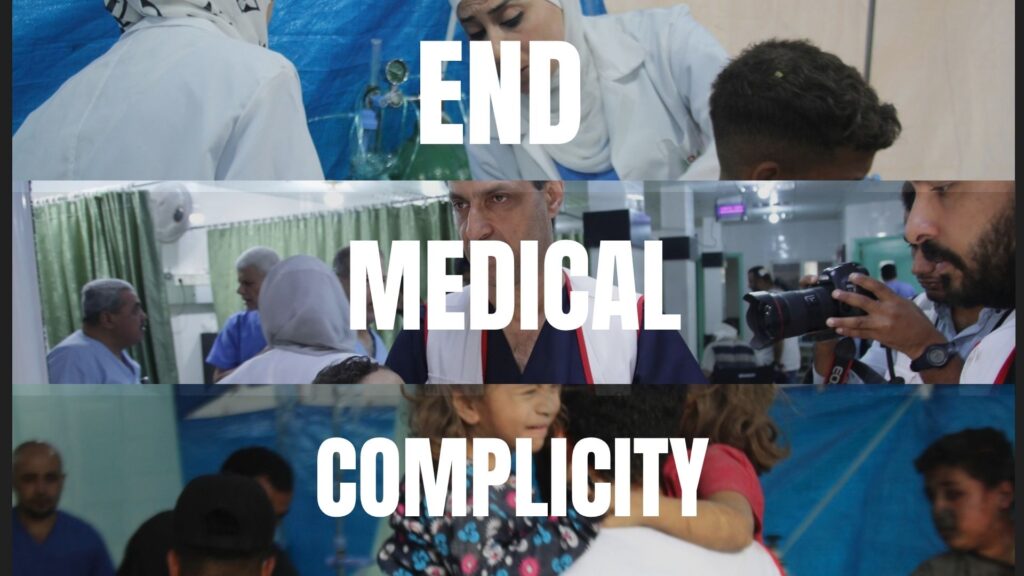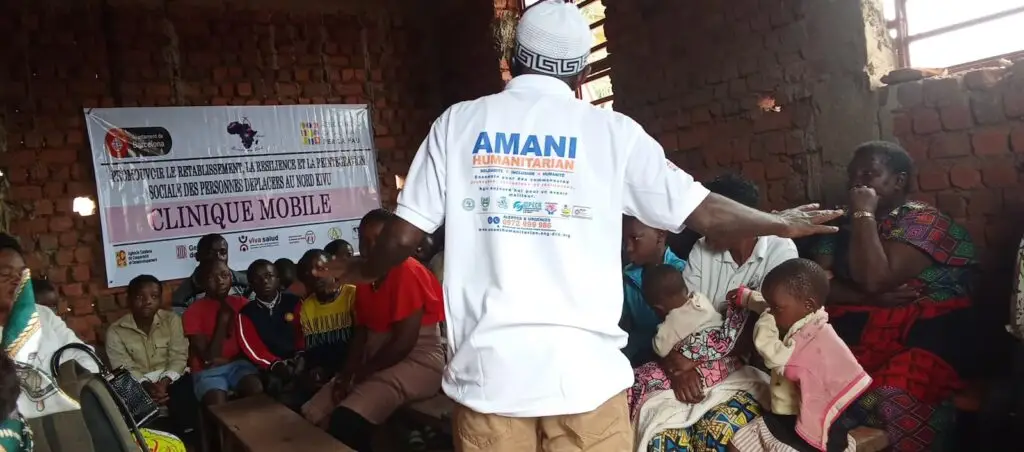
Opening schools to children in Central Africa, enabling children to be born HIV-free in South Africa, ensuring safe childbirth in the Sahel, supporting farming families in Asia to practise sustainable agriculture, defending the rights of those who make our clothes, supporting people who defend democracy and the environment in the face of threats from authoritarian regimes, and providing emergency humanitarian aid: this is what international solidarity makes possible every day.
For decades, international co-operation has been changing lives – by the millions. But it is not limited to individuals: it supports society as a whole. Extreme poverty worldwide has been halved in 20 years; infant mortality has been cut in half since 2000; and since 2000, a further 327 million children have started school. International co-operation has played a major part in this progress.
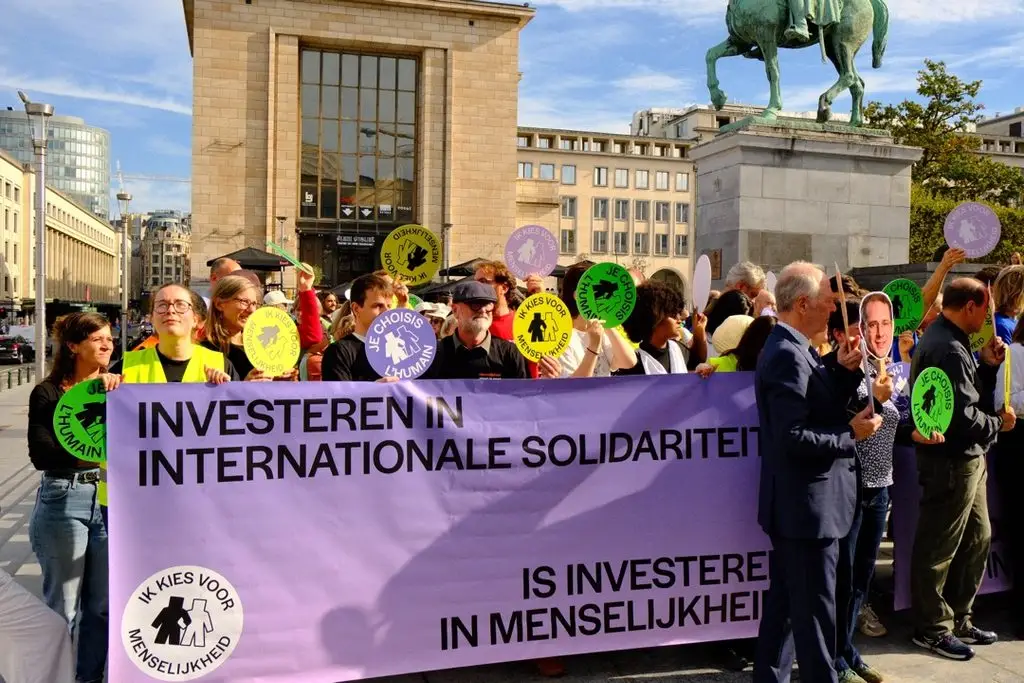
Today, these advances are under serious threat: In 2025, global development aid had been cut by nearly a quarter, the sharpest decline ever recorded. In Belgium, the government has decided to cut 25 % from the development cooperation budget, contributing to the global decline in international solidarity. According to a study published in The Lancet Global Health By February 2026, these cuts could lead to up to 22 million additional deaths by 2030.
International cooperation is a societal choice.
A model of society based on cooperation rather than every man for himself; solidarity rather than the law of the jungle; openness rather than isolation; bridges rather than walls.
Cooperation means investing in shared prosperity and stability, which benefit the entire global population. It means preventing crises, pandemics and conflicts. It means paving the way for a fairer and safer future for everyone.
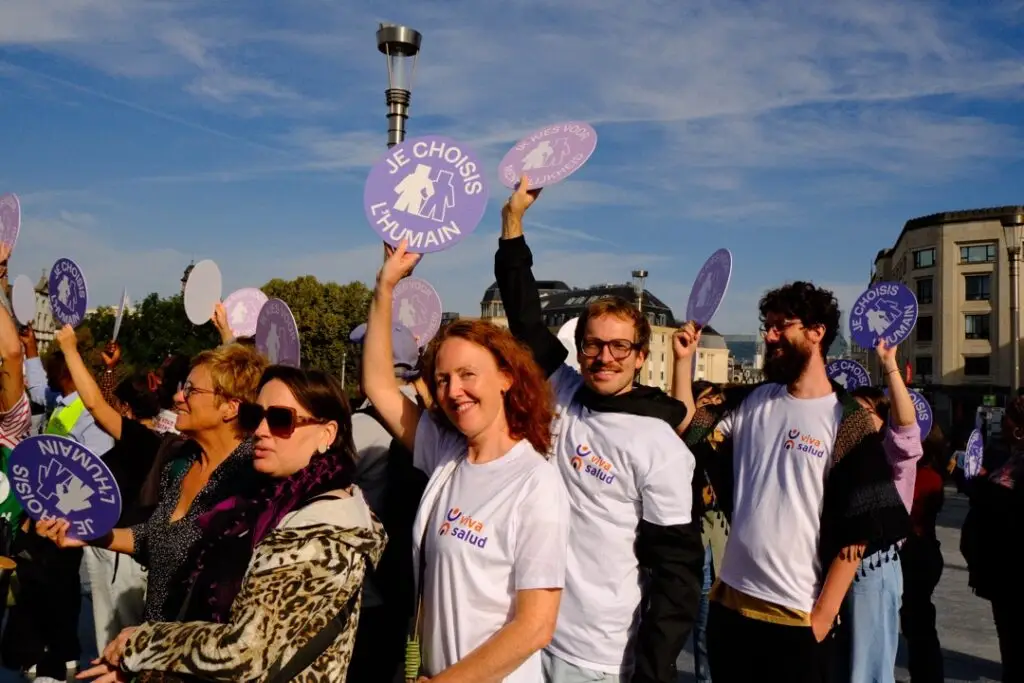
Investing in international solidarity means choosing humanity. That is why we are calling on the Belgian Government to put an end to the cuts and to adopt a growth plan leading to the international target of 0.7 % of our gross national income, reaffirmed by the’2030 Agenda the United Nations. So that every child can go to school, so that every woman can give birth safely, so that we can all live on a thriving planet. For a fair and sustainable world.